


By Our Corespondent
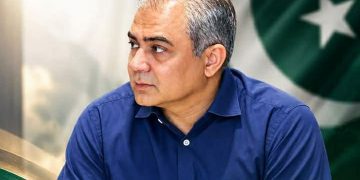
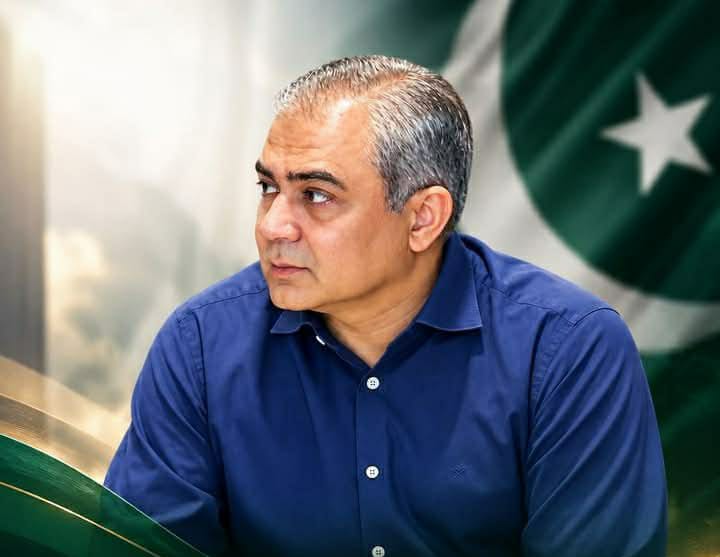
LAHORE (Web Desk) – Pakistan Cricket Board (PCB) Governing Board member and president of the Dera Murad Jamali Regional Cricket Association, Engineer Zafarullah Jadgal, has expressed confidence in PCB Chairman Syed Mohsin Raza Naqvi’s leadership, describing his commitment to reforms as important for the long-term development of Pakistan cricket.
Jadgal said Pakistan cricket had experienced periods of considerable administrative, technical and sporting challenges, requiring determined leadership, consistent planning and a clear vision for institutional improvement.
He said Naqvi assumed responsibility as PCB chairman in February 2024 at a time when the country’s cricketing structure was facing several important challenges, including concerns about the national team’s performance, the standard of domestic competitions and the future of emerging players.
According to Jadgal, the initial period of Naqvi’s tenure also involved considerable criticism, but maintaining a commitment to improvement despite difficult circumstances was a positive aspect of his leadership.
He said meaningful reform in cricket required more than short-term decisions and public announcements, stressing that sustainable progress depended on practical measures, institutional continuity and transparent administration.
Jadgal identified the strengthening of domestic cricket as one of the most important priorities for the PCB, arguing that a competitive domestic structure was essential for producing players capable of performing consistently at international level.
He said regional cricket associations should be given an active and empowered role in the development of the game, allowing them to identify talent, organise competitions and contribute to the broader national cricketing structure.
He also emphasised the importance of providing young cricketers with opportunities to participate in first-class competitions, saying that exposure to longer-format cricket was necessary for developing technical ability, temperament and match awareness.
The PCB governing board member further called for an effective under-19 cricket system to ensure that promising players received proper training and a clear pathway towards senior-level cricket.
He said selection procedures at every level should be based on merit and transparency, maintaining that players should be recognised for their performances and abilities rather than other considerations.
Jadgal particularly highlighted the untapped cricketing potential of Balochistan, saying that remote and underdeveloped regions of the province possessed considerable talent that needed greater institutional attention.
He argued that young players from these areas should receive opportunities comparable to those available to cricketers in major urban centres.
Access to modern training facilities, qualified coaching, competitive tournaments and national-level exposure would help emerging players from Balochistan demonstrate their abilities, he added.
According to Jadgal, geographical location and limited resources should not become barriers to a young cricketer’s progress.
He said the development of regional cricket was directly linked to the strength of the national team, as a broader talent pool would allow selectors to identify players from different backgrounds and playing conditions.
“A sustainable future for Pakistan cricket requires a strong, transparent and well-organised system in which players are recognised through their performance and ability,” Jadgal said.
He maintained that institutional reforms could only produce lasting results when supported by consistent implementation, effective strategies and a commitment to merit.
Jadgal expressed hope that Pakistan cricket would enter a new phase of development under Naqvi’s leadership, with improvements extending beyond the senior national team to regional competitions and age-group cricket.
He said the country’s cricketing ambitions should not be measured exclusively through victories and defeats at international tournaments.
Instead, he argued, the real measure of progress would be the establishment of a system capable of producing talented cricketers consistently and providing opportunities to players from every part of the country.
Pakistan has a large pool of young cricketing talent, but identifying and developing that potential requires stronger grassroots programmes, reliable domestic competitions and improved coordination between regional associations and the national governing body.
Jadgal’s remarks underline the importance of regional participation in shaping the future of the sport, particularly in areas where promising players may have limited access to established cricketing infrastructure.
He said sustained attention to domestic and grassroots cricket would help build a stronger foundation for future generations and contribute to Pakistan’s competitiveness in international cricket.
The PCB’s challenge, therefore, remains not only to improve the performance of the national side but also to create an effective development structure that ensures talent from all regions has a fair opportunity to reach the highest level.