


By Our Correspondent
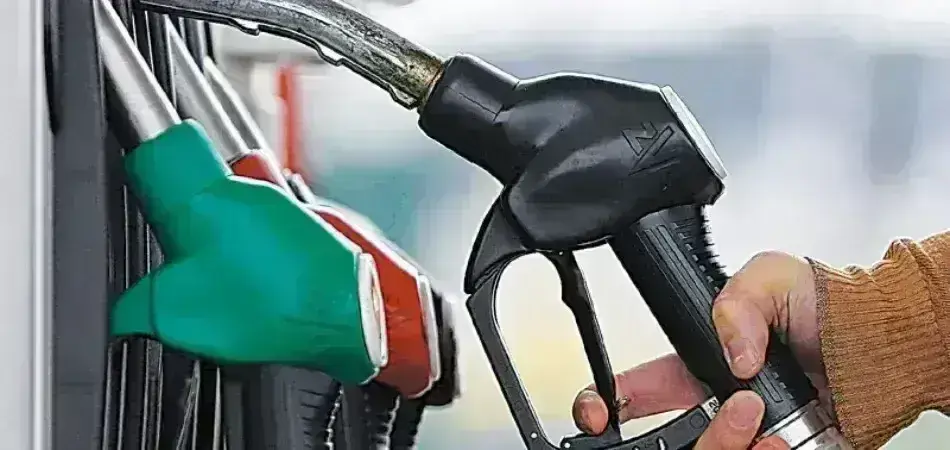
ISLAMABAD: The federal government on Friday announced that the prices of petrol and high-speed diesel (HSD) would remain unchanged at Rs299.50 per litre and Rs311.47 per litre, respectively, until further orders, maintaining the rates introduced after last week’s substantial reduction in fuel prices.
The decision was communicated through a notification issued by the Petroleum Division, which stated that the existing prices would continue despite ongoing uncertainty in international oil markets. The government has been closely monitoring global crude oil trends, particularly following disruptions caused by geopolitical tensions in the Middle East.
The latest announcement follows a major relief package unveiled by Prime Minister Shehbaz Sharif last week, under which petrol prices were slashed by Rs74 per litre while HSD prices were reduced by Rs67 per litre. The reductions were made after international oil prices eased, allowing the government to pass on the benefit to consumers.
Petrol is primarily consumed by owners of motorcycles, rickshaws, private cars and other light vehicles, making any change in its price particularly significant for middle- and lower-income households. High-speed diesel, on the other hand, is widely used in heavy transport, agriculture, construction machinery, power generation and industrial sectors. Consequently, fluctuations in diesel prices have a direct impact on transportation costs, food prices and overall inflation.
Pakistan has been revising petroleum prices on a weekly basis since the escalation of tensions between the United States and Iran disrupted energy supplies through the Strait of Hormuz, one of the world’s most important oil shipping routes. The conflict triggered sharp volatility in global oil markets, forcing the government to abandon its usual fortnightly review mechanism in favour of weekly adjustments.
The first wartime revision came on March 6, when the government increased both petrol and diesel prices by Rs55 per litre, citing rising international crude prices and higher import costs. The move pushed petrol prices above Rs321 per litre and diesel to nearly Rs336 per litre, drawing widespread criticism from opposition parties and consumers who described the increase as an additional burden amid already high inflation.
Fuel prices reached an unprecedented level on April 3 when petrol was raised by Rs137.24 per litre and HSD by Rs184.49 per litre. The increase took petrol prices to Rs458.40 per litre and diesel to Rs520.35 per litre, triggering strong public backlash and concerns from businesses over the impact on transportation and production costs.
Responding to mounting criticism, Prime Minister Shehbaz Sharif announced an immediate reduction in the petroleum levy, lowering petrol prices by Rs80 per litre within 24 hours of the record hike. The move brought the petrol price down to Rs378 per litre and was aimed at easing pressure on consumers while stabilising economic activity.
Since then, international crude prices have gradually softened as fears of prolonged supply disruptions eased, enabling the government to introduce further reductions over recent weeks. Friday’s decision to maintain existing prices suggests that authorities are adopting a cautious approach while assessing developments in global energy markets.
Energy experts believe that future petroleum prices will largely depend on international crude oil trends, exchange rate movements and government taxation policies. Consumers and businesses alike will continue to watch the government’s weekly price reviews closely as fuel costs remain a key factor influencing inflation and the country’s overall economic outlook.