


Special Report by M Qadeer
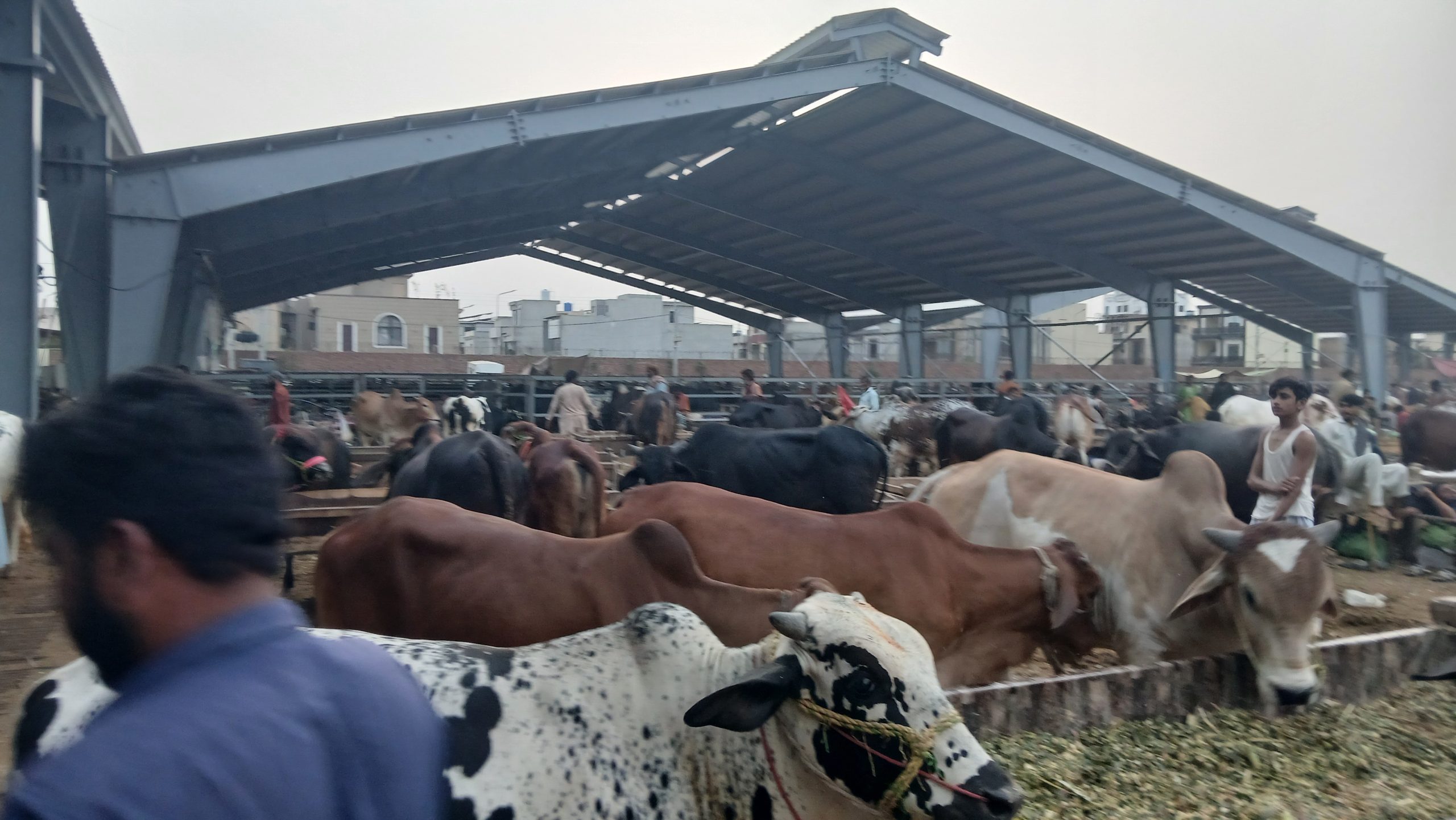
KARACHI – As Eidul Azha 2026 approaches, thousands of families across Pakistan are visiting cattle markets in search of healthy sacrificial animals. However, with inflation continuing to rise and livestock prices reaching record highs, many buyers are finding it increasingly difficult to purchase suitable animals within their budgets.
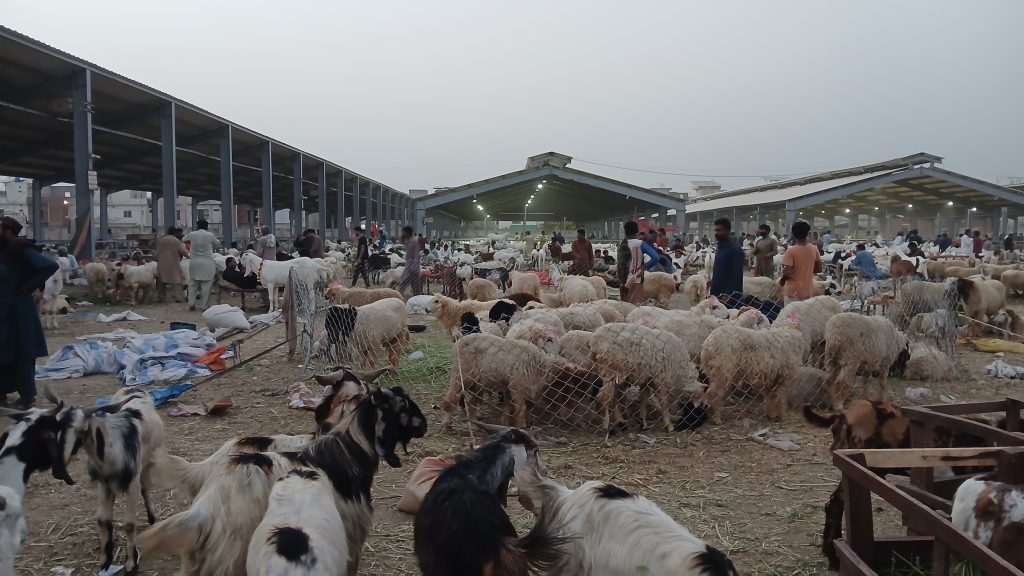
This year, the price of average goats, commonly known as bakra, has increased sharply in most major cities. Animals that were sold for around Rs40,000 last year are now being offered between Rs75,000 and Rs175,000 in many cattle markets. Similarly, average bulls that once cost under Rs0.1 million are now ranging from Rs0.2 million to Rs0.4 million, putting additional financial pressure on middle-class families preparing for Eidul Azha.
With prices fluctuating from market to market, buyers often spend several hours searching for affordable animals but still return home confused or disappointed. According to experienced cattle market visitors, many customers unknowingly make mistakes that increase both their expenses and frustration.
One of the most common mistakes is directly asking traders about the prices of animals without first mentioning a budget. Experienced sellers usually begin by quoting very high prices and showing expensive animals. Buyers then waste precious time listening to long descriptions about every goat, sheep or bull while moving from one enclosure to another without finding a realistic option.
Regular cattle market visitors believe there is a much smarter and more practical way to purchase sacrificial animals at reasonable prices.
Instead of asking, “What is the price of this animal?”, buyers should first clearly state their budget and requirements. For example, a person searching for a goat should say: “I want a healthy bakra under Rs50,000,” or “Show me a strong animal within my range.”
According to experienced buyers, this simple strategy immediately changes the conversation between seller and customer. Once traders understand the customer’s financial limit, they usually stop showing overpriced animals and begin presenting options that genuinely fit the buyer’s pocket.
Market visitors say sellers rarely want serious customers to leave without making a purchase. If buyers communicate their range honestly and confidently, traders often make serious efforts to offer the best available animal within that amount. This method not only saves money but also reduces unnecessary bargaining and hours of walking through crowded markets.
Experts also advise buyers to carefully inspect an animal’s health before making a final decision. A healthy sacrificial animal should have bright and alert eyes, clean skin, active movement and a healthy appetite. Buyers should avoid animals that appear weak, injured, unusually quiet or sick. It is also important to check the teeth, legs and overall body condition of the animal.
Another useful tip is to visit cattle markets during daylight hours when animals can be examined more clearly. Evening visits may make it difficult to properly assess an animal’s physical condition. Buyers are also encouraged to compare prices from several traders before finalising a deal.
Many experienced shoppers recommend visiting markets a few days before Eid instead of waiting until the final hours, when overcrowding and emotional buying often lead to inflated prices. Some families also prefer taking along someone experienced in livestock trading to avoid overpaying.
With sacrificial animal prices continuing to rise in 2026, smart buying has become more important than ever. Experienced cattle market visitors say patience, proper budgeting and confident negotiation remain the most effective ways to buy a healthy sacrificial animal without overspending during Eidul Azha.