


By Commerce Reporter
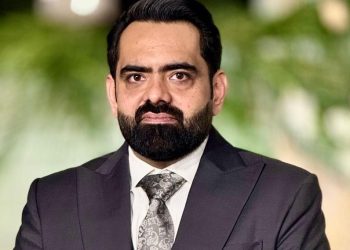
LAHORE — Senior Vice President of the Lahore Chamber of Commerce & Industry (LCCI), Tanveer A Sheikh, has expressed deep concern over Pakistan’s widening trade balance deficit, warning that the growing gap between exports and imports is placing significant strain on the national economy and external accounts.
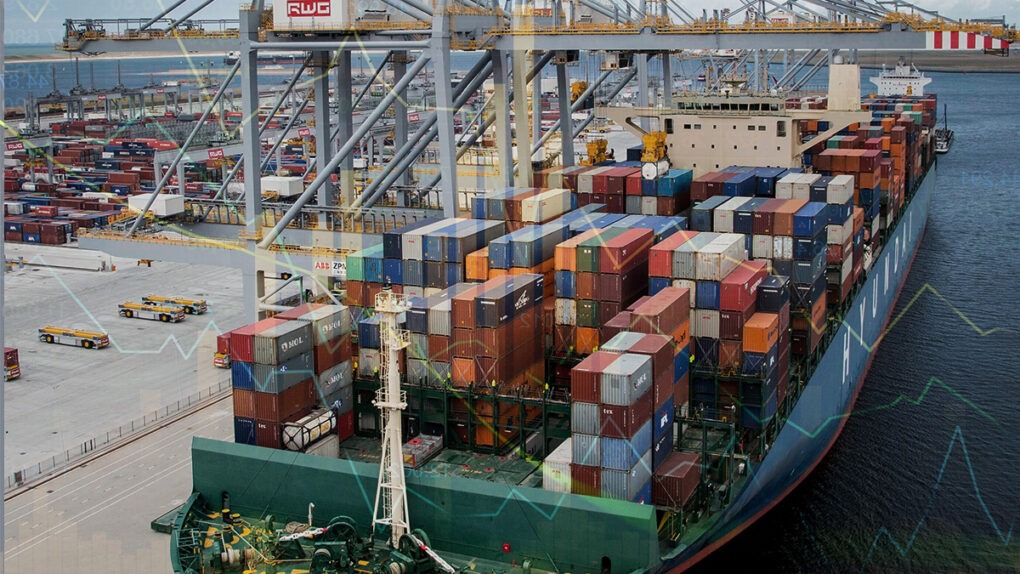
In a comprehensive statement, Tanveer A. Sheikh noted that the latest trade figures present a troubling outlook. Exports are estimated at approximately $31.98 billion, while imports have surged to nearly $80 billion, resulting in a substantial trade deficit. He said this imbalance reflects structural weaknesses that have persisted for years and now require immediate and decisive policy intervention.
“The widening trade gap is not just a statistical concern; it is a serious economic challenge that impacts currency stability, increases reliance on external financing, and constrains long-term growth,” he said. “Addressing this issue must be treated as a national priority.”
The LCCI SVP highlighted that Pakistan’s export sector remains heavily concentrated in a limited range of products, particularly textiles. While acknowledging the importance of this sector, he stressed the urgent need to diversify exports and expand into higher-value industries.
“Pakistan must enhance its focus on value-added sectors such as engineering goods, information technology services, pharmaceuticals, and processed agricultural products,” he said. “Diversification will not only increase export earnings but also reduce vulnerability to global market fluctuations.”
He also pointed out that local industries continue to face significant challenges, including high energy costs, inconsistent government policies, and complex regulatory frameworks. These factors, he said, have weakened the competitiveness of Pakistani products in international markets.
“Affordable and reliable energy is a critical requirement for industrial growth,” he said. “Without competitive tariffs and uninterrupted supply, industries cannot achieve the efficiency needed to compete globally.”
Tanveer A. Sheikh emphasised the importance of policy continuity and long-term planning. He noted that frequent changes in tax structures and trade regulations create uncertainty, discouraging both domestic and foreign investment.
“A stable and predictable policy environment is essential for investor confidence,” he added. “Businesses need clarity to make long-term decisions and expand their operations.”
He further underscored the role of innovation and technology in transforming Pakistan’s export landscape. According to him, increased investment in research and development, technical training, and digital infrastructure is essential to move industries up the value chain.
“In today’s global economy, competitiveness is driven by innovation and skills,” he said. “Pakistan must invest in human capital and modern technologies to strengthen its position in international trade.”
The LCCI SVP also stressed the importance of expanding trade relations and exploring new markets. He said that proactive trade diplomacy, along with improved access to regional and global markets, can significantly boost export growth.
“Efficient logistics, better infrastructure, and streamlined customs procedures are equally important,” he said. “Reducing the cost of doing business will enhance the competitiveness of Pakistani exports.”
In addition, he called for a balanced approach to managing imports. While acknowledging the need for essential imports, he suggested that non-essential imports should be rationalised and local production should be encouraged as a substitute.
“Import substitution in key sectors can help gradually reduce the trade deficit,” he said. “However, such measures must be implemented carefully to avoid disrupting industrial activity.”
Concluding his statement, Tanveer A. Sheikh emphasised that overcoming the trade deficit challenge requires collective efforts from the government, private sector, and relevant institutions.
“With the right policies and coordinated action, Pakistan can strengthen its economic foundation and achieve sustainable growth,” he said. “The business community remains committed to supporting initiatives that promote exports, enhance industrial productivity, and ensure long-term economic stability.”