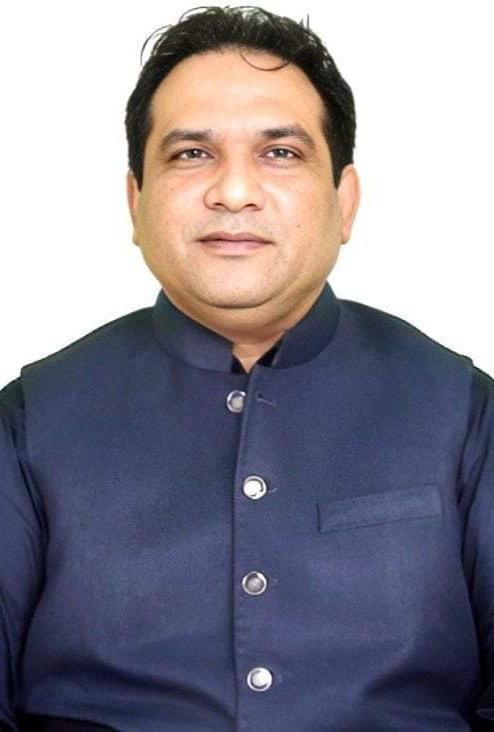



By Rana Farooq Ashraf
December 27 stands as a solemn reminder in Pakistan’s political history—a day that renews the nation’s grief, resolve, and commitment to democracy. It marks the martyrdom of Shaheed Mohtarma Benazir Bhutto, who paid the ultimate price for standing firm against dictatorship, extremism, and anti-democratic forces. Benazir Bhutto was not merely a political leader; she was a symbol of constitutional rule, popular sovereignty, and the people’s right to choose their destiny.
Born on June 21, 1953, in Karachi, Benazir Bhutto grew up in a household deeply rooted in public service and national politics. As the daughter of Zulfiqar Ali Bhutto, a charismatic and visionary leader of Pakistan, she inherited a political legacy—but leadership, courage, and sacrifice were qualities she earned through her own struggle. Educated at Harvard University and the University of Oxford, she returned to Pakistan equipped with modern democratic ideals, a progressive worldview, and an unshakable belief in constitutional governance.
The military coup of 1977 under General Zia-ul-Haq marked a dark chapter in Pakistan’s history and a turning point in Benazir Bhutto’s life. The judicial execution of her father was not only a personal tragedy but also a blow to democracy itself. Faced with the choice of silence or resistance, exile or struggle, Benazir Bhutto chose defiance. She endured imprisonment, solitary confinement, house arrest, and constant surveillance, yet refused to bow before authoritarian rule. Through the Movement for the Restoration of Democracy, she emerged as the most powerful civilian voice against dictatorship during a time of fear and repression.
The year 1988 became historic when Benazir Bhutto was elected Prime Minister of Pakistan, restoring civilian rule after more than a decade of martial law. She became the first woman Prime Minister of Pakistan and the first democratically elected female head of government in the Muslim world. Her election was not merely symbolic—it was a democratic breakthrough. In office, she worked to strengthen parliament, restore press freedom, uphold judicial independence, and revive democratic institutions weakened by years of authoritarianism.
Despite repeated conspiracies and political destabilization, Benazir Bhutto remained committed to democratic principles. After returning to power in 1993, she focused on social development, poverty alleviation, education, healthcare, and national reconciliation. The Pakistan Peoples Party’s founding vision of “Roti, Kapra aur Makaan”—bread, clothing, and shelter—was not just a slogan, but a social contract aimed at empowering ordinary citizens and uplifting marginalized communities.
Benazir Bhutto’s contribution to women’s empowerment remains one of her most enduring legacies. She established the First Women’s Bank, introduced women’s police stations, ensured job quotas for women in the public sector, and promoted women’s participation in national life. Her leadership shattered deeply entrenched barriers and demonstrated that women could lead a Muslim-majority country with dignity, strength, and vision. For millions of Pakistani women, she became a source of courage and possibility.
On the international stage, Benazir Bhutto represented Pakistan as a moderate, democratic, and forward-looking Muslim state. She advocated dialogue, tolerance, and cooperation, projecting a progressive image of Pakistan at global forums. Her voice carried moral authority, and she was widely regarded as a bridge between the Muslim world and the West.
Tragically, on December 27, 2007, Benazir Bhutto was assassinated during an election campaign rally in Rawalpindi. Her martyrdom shook Pakistan and the world. It was widely seen not only as the killing of a political leader, but as a direct attack on democracy itself. Yet history teaches us that the blood of martyrs does not silence movements—it strengthens them. The people of Pakistan declared her Shaheed, and her mission gained renewed momentum.
Today, as Pakistan confronts serious political, economic, and democratic challenges, the philosophy of Shaheed Benazir Bhutto remains profoundly relevant. The Pakistan Peoples Party continues its struggle for constitutional supremacy, parliamentary democracy, provincial autonomy, and social justice. Under the leadership of Chairman Bilawal Bhutto Zardari, the party carries forward Benazir Bhutto’s democratic mission, rooted in public service and people-centered politics.
Shaheed Mohtarma Benazir Bhutto lives on—in the democratic consciousness of the nation, in the courage of Pakistani women, and in every voice raised for constitutional rights.
She was a martyr of democracy, she is a symbol of hope, and she will remain a guiding light for generations to come.