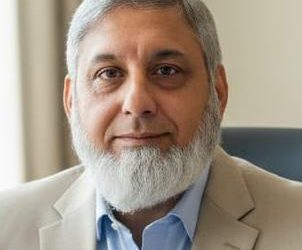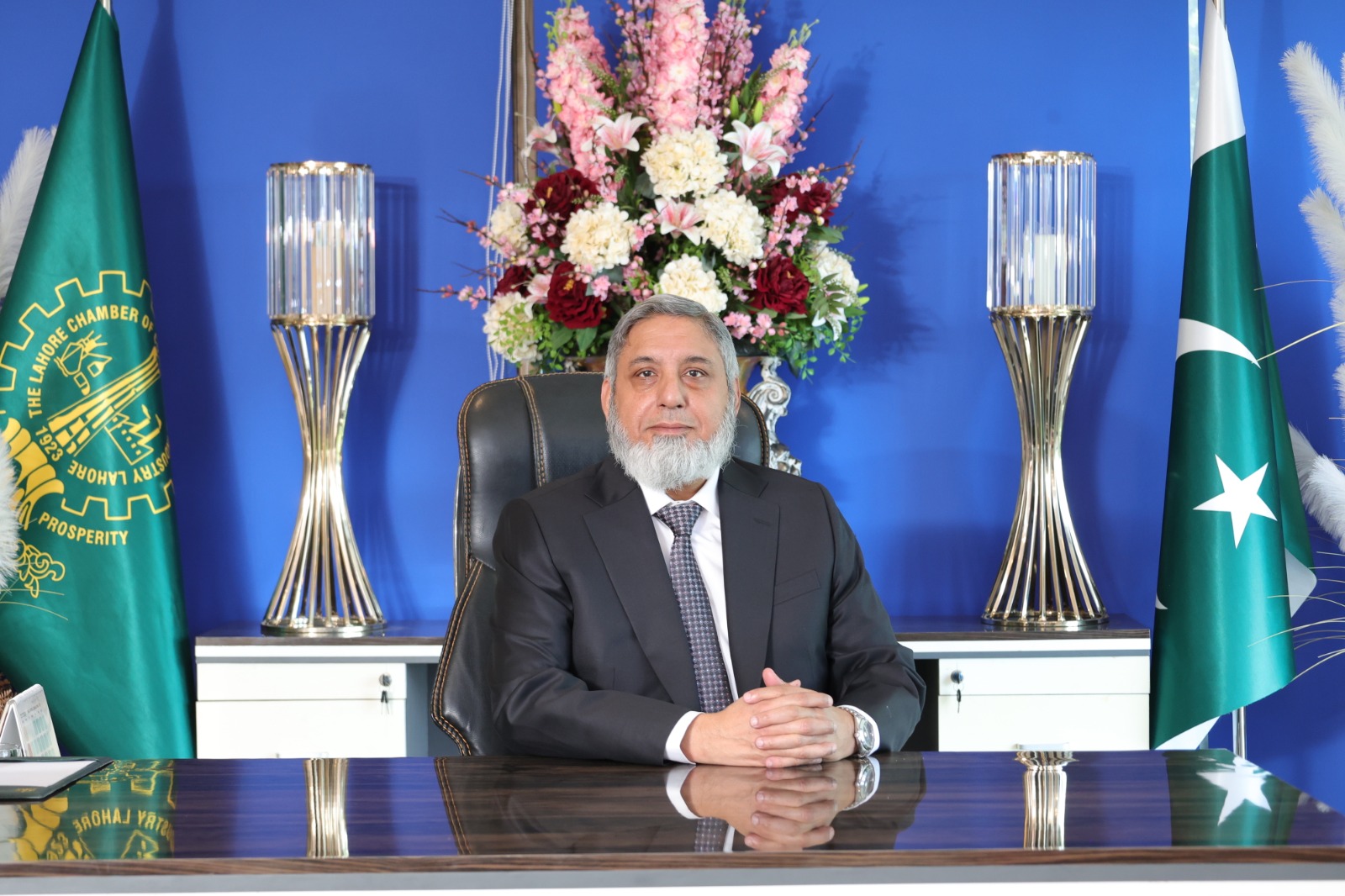



By Tanveer Ahmed Sheikh, senior vice president, Lahore chamber of commerce and industr
Pakistan’s economy is not short of potential; it is short of policy clarity, affordability, and trust between the state and its productive sectors. At a time when industry, exports, and employment should be the government’s top priorities, businesses are instead grappling with high energy costs, complex taxation, excessive regulation, and a climate of fear created by arbitrary enforcement actions.
Read also: Informal economy hindering national growth, says LCCI Senior Vice President Tanveer Sheikh
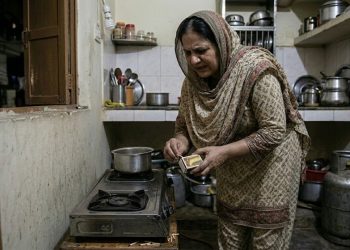
Electricity remains the single biggest cost pressure on industry. Pakistan now has one of the highest electricity tariffs in the region, making local manufacturing uncompetitive both domestically and internationally. Industrial units are forced to either reduce production, shift to informal arrangements, or shut down altogether. High electricity prices not only reduce exports but also fuel inflation, as higher production costs are passed on to consumers. Without affordable and reliable energy, no economy can grow sustainably.
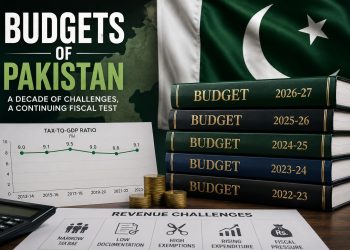
The taxation system is another major hurdle. Instead of broadening the tax net in a rational manner, the burden continues to fall on the same documented sectors. Registered businesses, salaried individuals, and exporters are repeatedly taxed, while vast segments of the economy remain undocumented. This approach discourages compliance and rewards informality. Increasing tax rates on a shrinking base does not increase revenue; it only pushes more activity into the shadows.
The black economy continues to thrive because policy incentives favor informality. Smuggling, particularly across western borders, has devastated local industries such as steel, tyres, fabric, and consumer goods. Smuggled items enter markets without paying taxes, duties, or regulatory costs, making it impossible for legal businesses to compete. Unless enforcement agencies take serious action against smuggling networks instead of harassing documented businesses, the formal economy will continue to shrink.
RelatedPosts




One of the most damaging factors for business confidence is the growing FIR culture against businessmen. Disputes that should be resolved through civil processes or administrative mechanisms are increasingly criminalized. The fear of arrest, raids, and reputational damage has created a hostile environment for entrepreneurship. Investors, both local and foreign, seek predictability and legal protection, not intimidation. Treating businessmen as suspects rather than partners undermines economic growth and job creation.
Digitilization, if implemented properly, can be a powerful tool for reform. However, digitilization must be simple, transparent, and supportive, not punitive. Systems that are overly complex, poorly integrated, or frequently changed only increase compliance costs and confusion. Digitilization should aim to reduce human discretion, not multiply compliance requirements. When digital systems become tools for revenue extraction rather than facilitation, trust erodes further.
Interest rates are another critical concern. While inflation control is important, excessively high interest rates have crushed industrial activity. Borrowing for expansion, modernization, or even working capital has become prohibitively expensive. Small and medium enterprises, which form the backbone of employment, are the worst affected. No economy can grow when credit is inaccessible to productive sectors. A gradual and realistic reduction in interest rates is essential to revive investment and industrial growth.
To fix Pakistan’s economy, the state must simplify policies rather than complicate them. Electricity tariffs must be rationalized through better governance, reduction of losses, and renegotiation of costly contracts. Tax policy should focus on widening the net through incentives, not coercion. Documentation should be encouraged by making compliance easier and beneficial, not by threatening businesses with penalties and FIRs.
Smuggling must be treated as an economic crime with serious consequences. Border management, coordination among enforcement agencies, and accountability within institutions are critical. At the same time, legal businesses should be protected through fair competition and consistent policies.
The relationship between the government and the business community must shift from confrontation to cooperation. Chambers of commerce are not pressure groups; they are stakeholders in national development. Policymaking without consultation leads to impractical decisions that fail on ground realities.
Pakistan does not need more slogans or cosmetic reforms. It needs structural simplification, cost reduction, and policy consistency. Lower energy prices, reasonable interest rates, fair taxation, and an end to harassment can unlock growth, expand the tax base organically, and reduce the black economy.
If the authorities truly want economic stability and sustainable growth, they must recognize that businesses thrive in an environment of trust, affordability, and predictability. Economic revival is possible, but only if policymakers choose facilitation over force, partnership over punishment, and simplification over suffocation.