


(Web Desk) – United Nations special rapporteurs have expressed serious concern over India’s military actions inside Pakistan following the April 22 attack in Pahalgam, occupied Kashmir, stating that New Delhi’s use of force may have violated fundamental human rights.
According to a report dated October 16 and made public on December 15, the UN experts observed that India’s strikes on Pakistani territory appeared to have infringed upon the rights to life and security of person. The report also examined India’s decision to place the Indus Waters Treaty (IWT) in “abeyance” after the attack.
The five UN experts warned that any steps taken by India to disrupt water flows under the IWT could potentially violate a range of rights, including the right to work and livelihood, an adequate standard of living, access to water and food, environmental rights, and the right to development.
The April 22 attack in Pahalgam left 26 tourists dead. India blamed Pakistan for the incident without presenting evidence, an allegation Islamabad strongly rejected. Pakistan’s foreign ministry questioned the credibility of India’s narrative, describing it as based on fabrications.
A day after the attack, India announced it was holding the IWT in abeyance. Pakistan responded by calling any attempt to suspend its treaty-based water share an act of war, emphasizing that the 1960 agreement does not allow unilateral suspension. Under the treaty, Pakistan was allocated the western rivers — Indus, Jhelum and Chenab — while India received control over the eastern rivers.
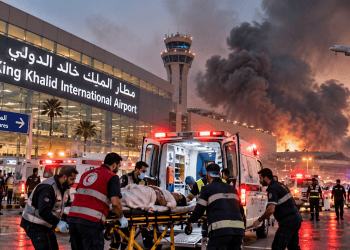
Nearly two weeks later, India carried out strikes across Pakistan in the early hours of May 7, triggering the most intense military confrontation between the two countries in decades. The four-day escalation involved fighter jets, missiles, artillery and drones, resulting in dozens of casualties before a ceasefire was reached.
The UN experts noted that although India claimed its actions were taken in self-defence and to deter cross-border attacks, it failed to notify the UN Security Council under Article 51 of the UN Charter, a requirement for invoking the right to self-defence.
The report further stated that India had not presented credible evidence proving that the Pahalgam attackers were sent by the Government of Pakistan.
Deputy Prime Minister and Foreign Minister Ishaq Dar also referred to the UN findings, particularly regarding the Indus Waters Treaty, while addressing the diplomatic corps in Islamabad on Friday.