


By Our Correspondent
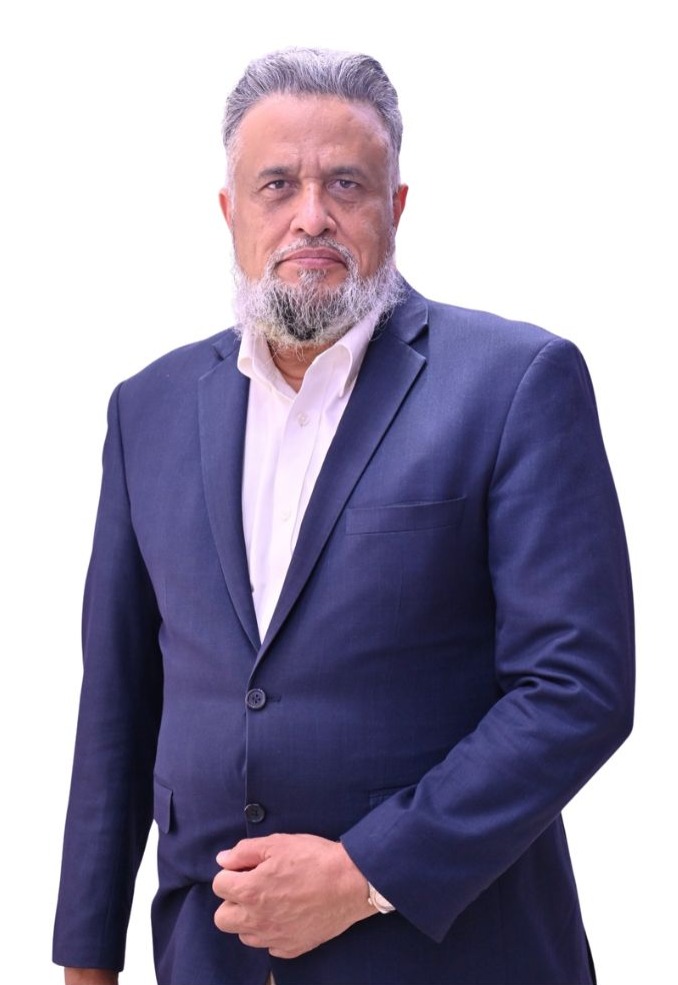
KARACHI: Renowned industrialist and businessman Diwan Fakhruddin has out rightly rejected the marginal reduction in the prevailing high interest rate, expressing serious concerns over its negative impact on the national economy. He stated that such minor adjustments are insufficient to address the severe challenges being faced by the industrial and business sectors.
Read also: Strong IPO–LCCI ties vital for businessfolk , says Faheem Ur Rehman Saigol
Diwan Fakhruddin said that the current monetary policies have placed the industrial sector under immense pressure, resulting in a noticeable slowdown in business activities. Due to high interest rates, bank financing has become both costly and difficult to obtain, significantly increasing the cost of production. As a result, not only has the establishment of new industries come to a halt, but existing manufacturing units are also being forced to operate below capacity, leading to rising unemployment.
He highlighted that small and medium-sized enterprises (SMEs), which form the backbone of the national economy, are among the worst affected. High borrowing costs have made it extremely difficult for SMEs to sustain operations, forcing many businesses to scale down or shut operations instead of making new investments—an alarming trend for the country’s economic future.
Diwan Fakhruddin further stated that elevated interest rates are also adversely affecting Pakistan’s exports, as higher production costs are eroding the competitiveness of Pakistani products in the global market. He warned that if the current situation persists, industrial growth will come to a standstill, negatively impacting foreign exchange reserves and overall GDP growth.
He urged the Government of Pakistan and the State Bank of Pakistan to take into account ground realities and announce an immediate, substantial, and effective reduction in interest rates. Such a move, he emphasized, is essential to restore confidence among industrialists and investors, generate employment opportunities, and steer the economy toward sustainable growth.
In conclusion, Diwan Fakhruddin reaffirmed that the country’s industrialists are fully prepared to play their role in strengthening the national economy, provided the government adopts business-friendly, realistic, and long-term economic policies.