


By Asim Shahzad
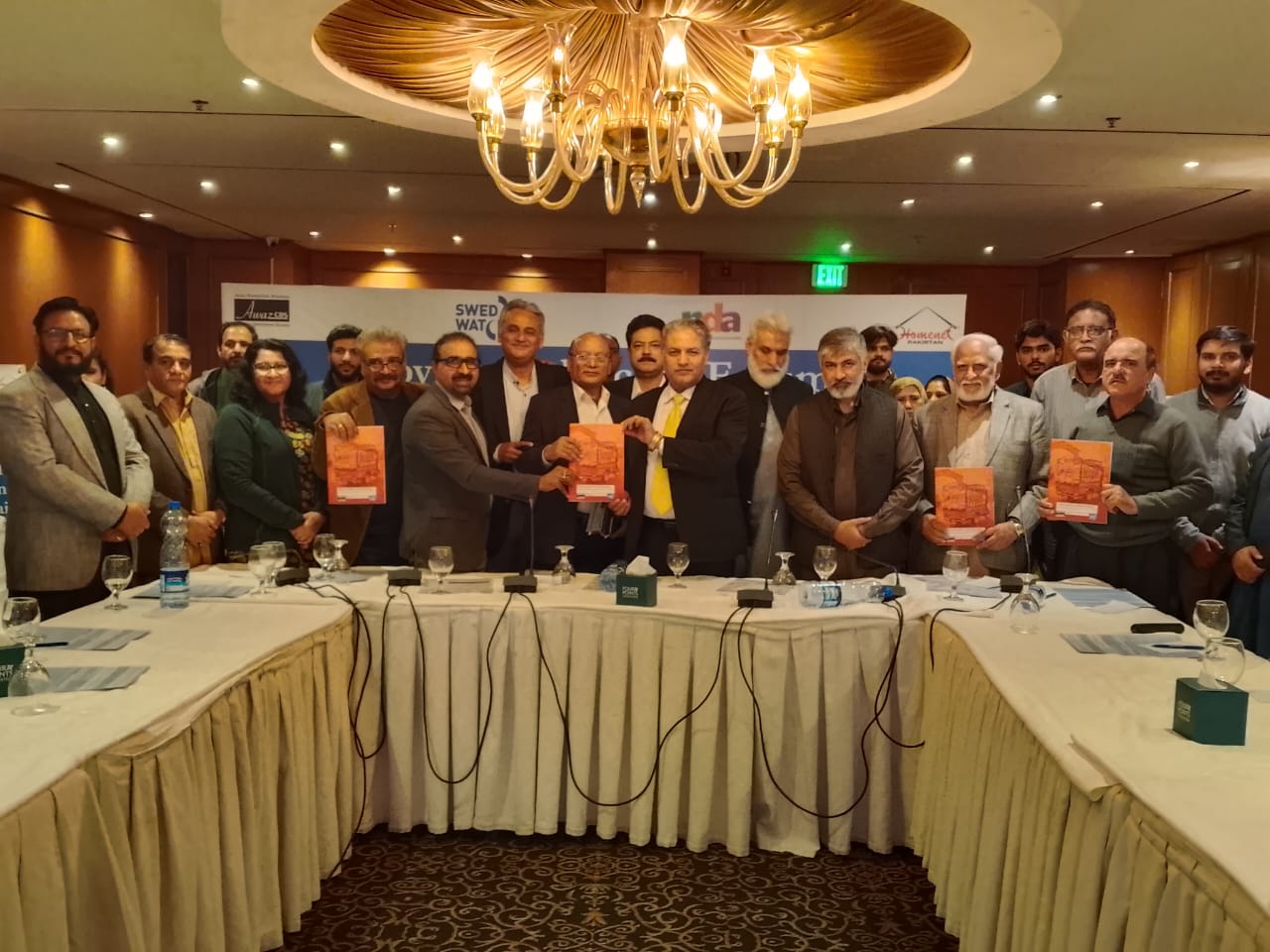
LAHORE: AwazCDS-Pakistan, in collaboration with HomeNet Pakistan, today launched a comprehensive study on the state of workers’ rights in Pakistan’s textile sector, issuing a powerful call to action for urgent labour reforms.
Read also: White paper on Punjab’s local government unveiled amid growing reform demands
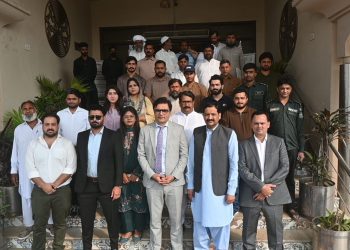
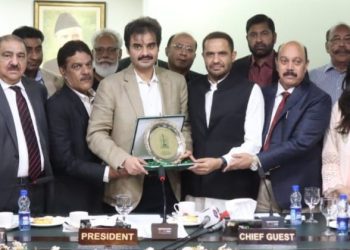
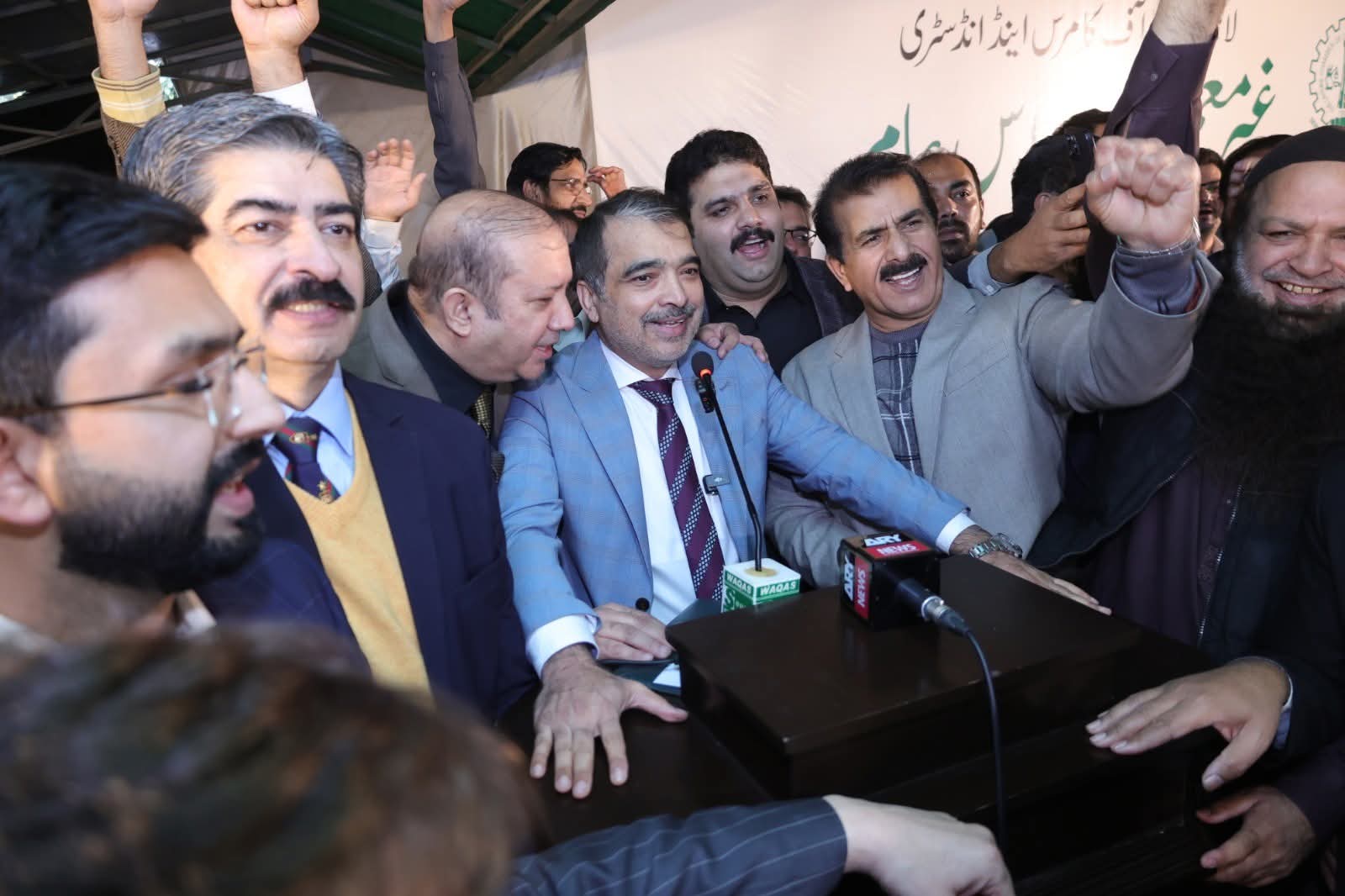
The provincial launch event, titled “The State of Workers’ Rights in the Textile Sector,” convened a diverse array of stakeholders, including policymakers, trade union leaders, industry representatives, and workers, at the Four Seasons by Sheraton, Lahore.
The study presented a detailed, evidence-based assessment of systemic challenges within a sector that forms the backbone of Pakistan’s economy. Mr. Zia Ur Rehman, Chief Executive of AwazCDS-Pakistan, highlighted key structural issues including low wages, unsafe working conditions, lack of formal contracts, limited access to social protection, and weak enforcement of labour laws.
He noted the vulnerabilities faced by female workers, citing wage disparities, insufficient maternity provisions, and the prevalence of workplace harassment. He further stated that the study recorded instances of widespread wage theft, and a significant Gender-Pay gap, with many workers earning as low as PKR 250 per day, while some female workers received as little as PKR 6,000 per month despite the legal minimum wage of PKR 40000.
Speaking at the launch, Mr. Tausef Dilshad Khatana, Additional Secretary Labour, Punjab, said, contractual services systems are legal across the globe and we are trying to empower the workers by bringing the contractors in to the legal system where they can be hold accountable through labour department as well as Securities and Exchange Commission of Pakistan (SECP). Under the new Labour Code if passed all third parties including labour services providers will have to register themselves through SECP and Labour Department so as they should fulfill the legal requirements for the recruitment of labour.
The labour department is making all out efforts to ensure minimum wages and other social security obligations for the welfare of workers.
A panel discussion titled “Workers’ Voices & Labour Rights”, included representatives from the Punjab Labour Department, Punjab Employees Social Security Institution, trade unions, Women Workers Federation, factory workers and civil society. Panelists underscored the need for participatory policy-making, inclusive governance, and stricter compliance mechanisms. Discussions focused on the importance of empowering workers, ensuring equitable pay, and safeguarding occupational health and safety standards.
Mr. Mathieu Vervynckt– Head of Unit Value Chains, SwedWatch, emphasized on the ethical supply chains and global standards for fair labour practices. He stated that; It is the prime responsibility of local manufacturers and international buyers to maintain transparency and accountability in their operations and make sure that they align their production processes with internationally recognized labour rights.”
Speaking as the panelist Ms. Nazia Bibi a textile factory worker shared her ordeal while joining in an indecent working environment having inadequate health and safety facilities. “We also often face harassment at workplace, and there is no redressal mechanism” she said.
Mr. Azhar Minhas, Director General, Punjab Employees Social Security Institution (PESSI), said that our department is working very hard to register workers under social security and workers welfare fund. The contractual workers are also eligible for the registration. By now 1.4 million workers are registered under PESSI however we are having serious sustainability challenge as employers contribute less than 50% of the services we provide to the workers.
Mr. Ali Mazari, Regional Director, Ministry of Human Rights reflected on the importance of National Plan of Action on Business and Human Rights and invited participants to join hands together with ministry to sensitize stakeholders on the plan priorities.
Ms. Aima Mehmood Chairperson, Women Workers Federation highlighted the challenges of women factory workers and demanded that Accord should also propagate for the decent work environment beyond health and safety protocols considering the labour rights of the workers.
Mr. Niaz Ahmad Khan, Veteran Union Leader said that only 3% of 15 million workers in Pakistan are Unionized out of which only 0.1% are women workers. The government departments are not acting as regulator for the enforcement of labour laws rather they are facilitators in the violation of labour conditions in the factories. Labour officers cannot visit factory premises without the prior permission of the factory administration. If allowed they hardly have access to the production units. He also said that most of the social audit and certifications are eye wash and protect the corporates and not the workers.
Mr. Ghulam Abbas, Regional Coordinator, National Commission for Human Rights (NCHR) criticized the lack of data in the labour sector of Pakistan. We can only make better policies if we have reliable data at hand. Number speaks truth, he emphasized.
Mr. Sajid Ali, National Convener, Asia Floor Wage Alliance, appreciated the study and demanded living wages for workers instead of minimum wages. In Pakistan, the current living wage highest floor is PKR 75000 and the lowest floor is PKRs 47000 whereas the minimum wage is notified as PKRs 40000. However most of the labourers get far less than the minimum wages.
Mr. Irfan Mufti, Deputy Executive Director of South remarked, “This study provides actionable insights that highlight the urgent need to strengthen labour protections, particularly for female textile workers. By amplifying their voices, we aim to inform policies that create safe, fair, and dignified workplaces for all.”
Ms. Ume-Laila Azhar, Chairperson, National Commission on the Status of Women, emphasized on the need of sensitization of women workers on their rights and protection measures in both formal and informal sector. Pakistan has obligation under OECD guidelines as well as GSP+ compliance to protect labour rights and ensure legal enforcement in case of rights violations.
The launch concluded with closing remarks by AwazCDS-Pakistan, followed by a networking session that allowed participants to engage in discussions, share strategies, and strengthen partnerships. Stakeholders collectively acknowledged the value of sustained dialogue, research-based advocacy, and multi-stakeholder collaboration in addressing systemic labour challenges in Pakistan’s textile sector.
This event reinforces the critical role of evidence-driven research in shaping policy, promoting workers’ rights, and ensuring the sustainable development of Pakistan’s textile industry. By bringing together government, civil society, industry, and international actors, the launch marked a significant step toward a more accountable and equitable textile sector.