


By Our Correspondent
LAHORE — Chief Minister Punjab Maryam Nawaz Sharif has directed traffic police across the province to immediately stop arresting underage students for traffic violations, expressing strong displeasure over recent incidents in which children were handcuffed during enforcement actions.
Read also: Millions in Punjab traffic fines spark concerns over enforcement priorities
Chairing a high-level briefing on the new traffic regime, the chief minister stressed that minors must not be criminalised and instructed authorities to shift towards an education-first policy. She announced a principled decision to introduce smart cards and motorcycle licences for 16-year-old students, enabling regulated access rather than punitive measures.
Maryam Nawaz also ordered a province-wide Traffic Awareness Week, particularly targeting students, to promote responsible driving habits. She said helmet enforcement will begin with a warning challan on the first offence, emphasising that behaviour change—not punishment—should be the primary objective.
For the first time, Punjab will deploy drones and body cameras for traffic monitoring, with the CM maintaining that transparency and accountability are essential to restoring public trust. She further instructed traffic police to treat citizens respectfully, warning that misconduct, harsh behaviour or humiliation of the public will not be tolerated.
The chief minister stressed that parents must play a stronger role in educating their children about road safety. “It is not the children’s fault—we have not developed the habit of wearing helmets,” she remarked, urging families to emphasise safety practices at home.
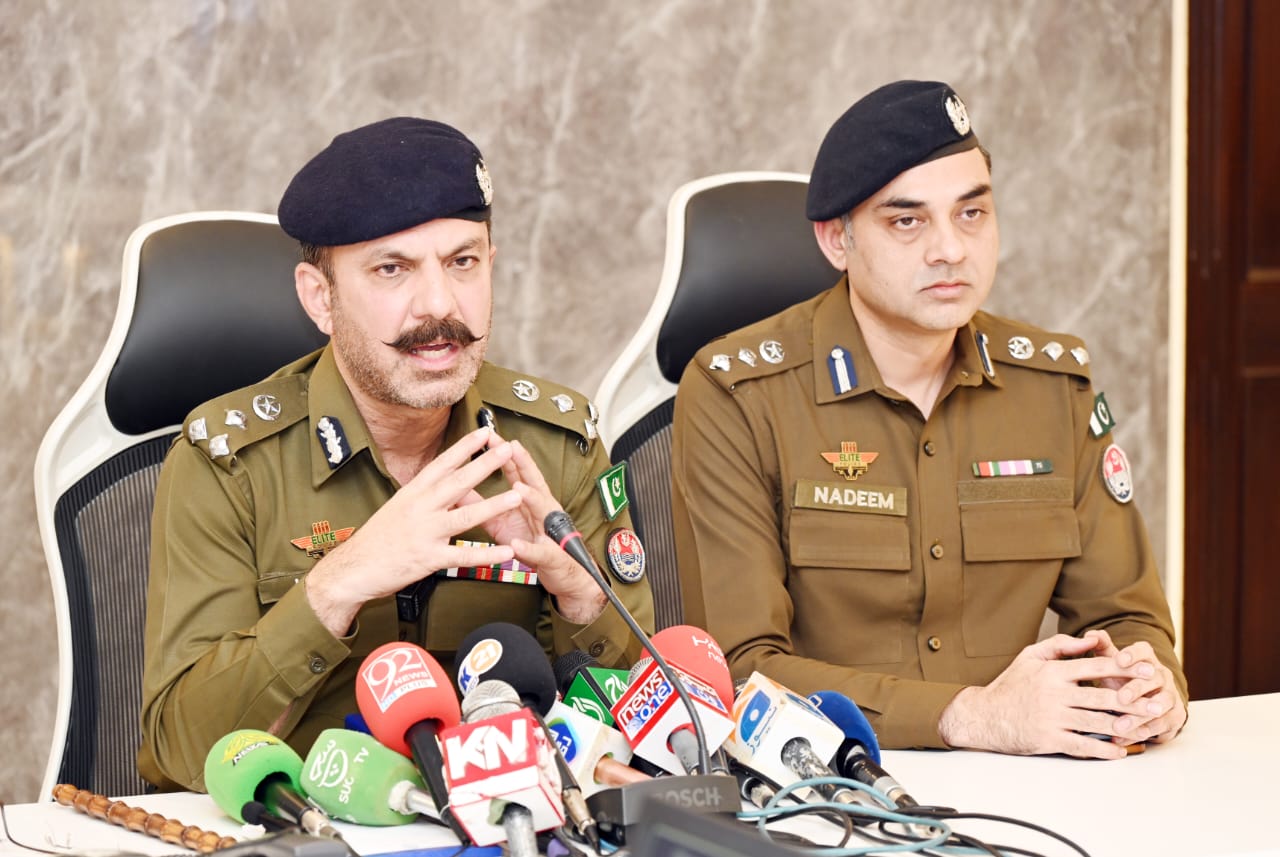
Officials briefed the CM that 2,445 police vehicles themselves were found in violation of traffic rules during recent enforcement checks, a revelation that prompted further calls for equal application of the law.
Maryam Nawaz reiterated that traffic laws exist to protect lives and urged every citizen to support a culture of compliance. “We do not want to arrest children, but the law must be respected,” she said, adding that genuine behavioural change is key to reducing road accidents.