By Our Correspondent
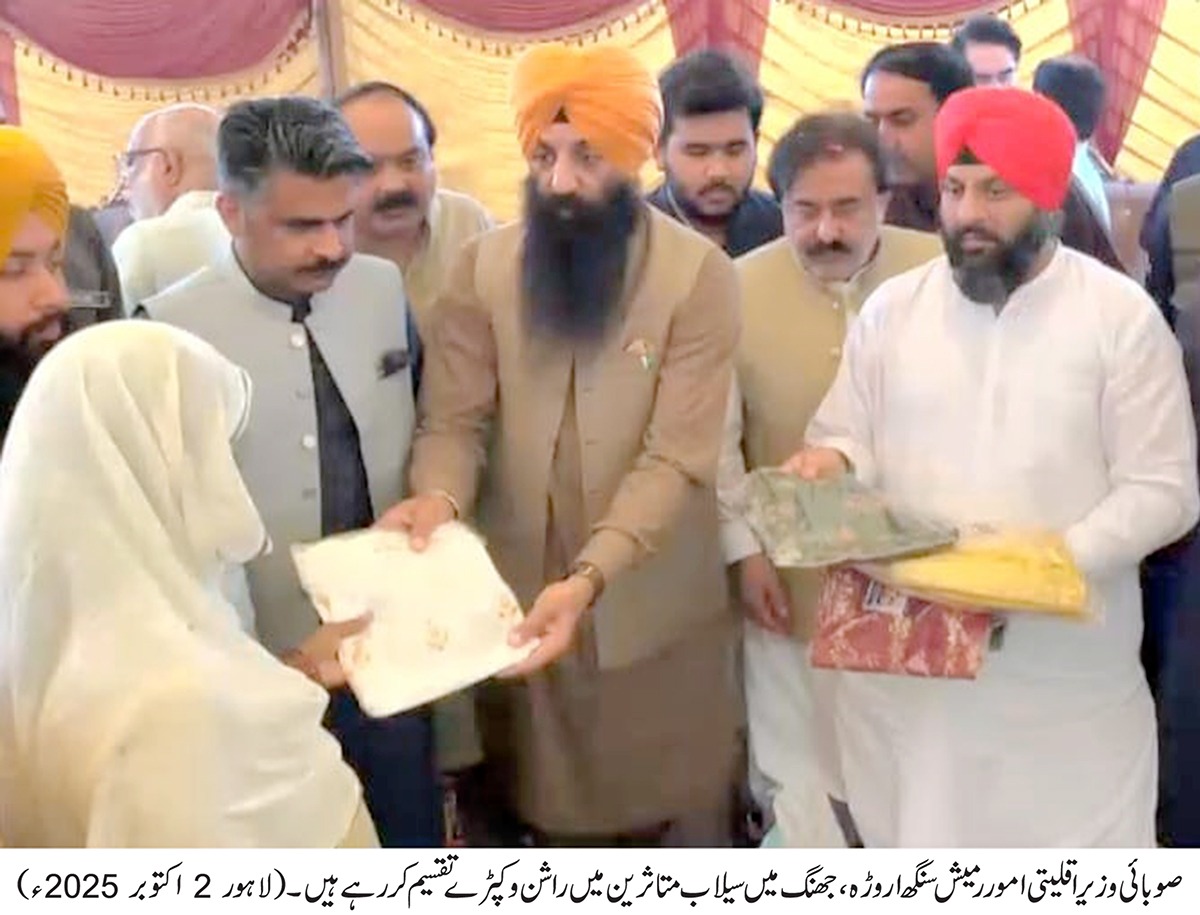
LAHORE (October 1) – A high-level parliamentary delegation from Uzbekistan, led by Mr. Nuriddin Ismoilov, Speaker of the Legislative Chamber of the Oliy Majlis, visited the historic Lahore Fort (Shahi Qila). The delegation was warmly received by Punjab’s Provincial Minister for Minorities Affairs, Sardar Ramesh Singh Arora. During the visit, the Minister briefed the distinguished guests about the historical and cultural significance of the Lahore Fort, a UNESCO World Heritage site, highlighting its Mughal-era architecture, artistic heritage, and its role as a living symbol of South Asia’s diverse civilizational history.
Speaking on the occasion, Minister Ramesh Singh Arora emphasized the Government of Punjab’s initiatives to promote religious tourism and cultural heritage preservation. He noted that Pakistan, and particularly Punjab, is home to rich sites of Islamic, Sikh, Buddhist, and Hindu heritage, attracting global visitors interested in history, spirituality, and interfaith understanding. The Minister also underlined that cultural and religious tourism not only strengthens people-to-people connectivity but also fosters mutual understanding, peace, and friendship among regional nations. He expressed hope that such visits would pave the way for closer cultural cooperation between Pakistan and Uzbekistan, in addition to ongoing collaboration in disaster management, trade, and education.
The Uzbek delegation, comprising senior parliamentary officials, expressed deep appreciation for the warm hospitality extended by the Government of Punjab. They acknowledged the grandeur of the Lahore Fort and praised Pakistan’s efforts in preserving its ancient monuments and historical landmarks.
The visiting dignitaries thanked Minister Ramesh Singh Arora for the comprehensive briefing and conveyed their commitment to enhancing bilateral cultural and tourism exchanges. They also stressed the importance of strengthening ties in heritage preservation and promoting cross-border religious tourism opportunities, given the shared historical and cultural roots of Central Asia and South Asia.