


APTMA demands lowering of energy and interest rates
By Commerce Reporter
LAHORE: All Pakistan Textile Mills Association (APTMA) has urged policymakers to slash interest rates, reduce electricity tariff, restore Regionally Competitive Energy Tariff (RCET) and reverse the decision of imposition of gas levy to revitalize textile sector, boost economic growth, create employment opportunities and upsurge exports.
Read also: US ambassador and APTMA discuss ways to foster bilateral trade
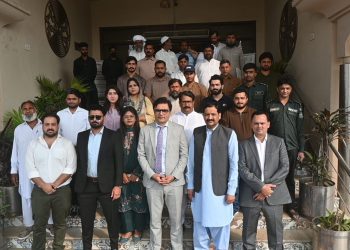
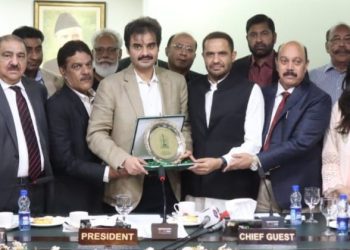
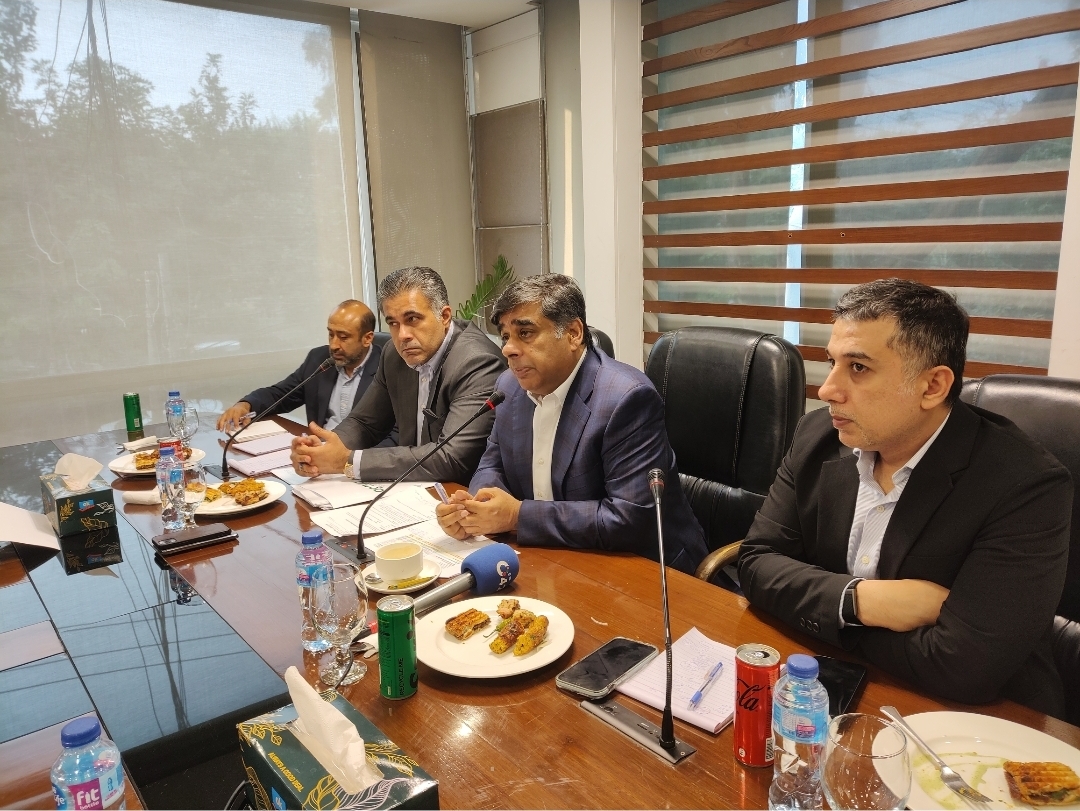
This was demanded in the Annual General Meeting (AGM) of the Association held on Tuesday at the APTMA Lahore office.
2. AGM was attended by a large number of leading textile industrialists including Dr. Gohar Ejaz, Patron-in-Chief APTMA, Kamran Arshad Chairman, Asad Shafi Zonal Chairman, Ahsan Bashir, Adil Bashir Former Chairmen, Anees M. Khawaja Senior Vice Chairman, Ahmad Shafi Vice Chairman, Mohammad Qasim Treasurer, Rehman Naseem, Anjum Zafar, Danish Monnoo, Faisal Jawed, Ahsan Shahid Warraich, Danish Aslam, Haroon Ellahi, Wasif Butt, Zaheer ul Hassan Nagra and Mohammad Raza Baqir Secretary General.
3. Speaking on the occasion, Dr. Gohar Ejaz Gohar said that textile industry has experienced remarkable growth over the past 15 years. Textile exports have risen from $10 billion in 2009-10 to $18 billion in 2024-25, with a record high of $19 billion achieved in 2021-22. It led to exponential growth in the textile industry capacity to $25 billion under TERF.
Gohar stated that textile industry with an investment of over $7 billion was working only at 65% capacity due to abnormally high interest rates, energy prices and taxation regime. He said that there was 400% increase in the capitalization of stock market with mere 20% uplift in profitability. There was decline in profitability of manufacturing sector whereas banking sector has exhibited enormously high profits which needs to be improved to create more employment in the country. Gohar continued that the total bank deposits in Pakistan were Rupees 35 trillion and the borrowing of the government exceeded 35 trillion. With the sky rocketing interest rates, almost all tax revenues vanishes on interest payments.
4. Gohar hailed the concerted efforts made by APTMA leadership in resolving problems of the industry in general and textile sector in particular. He expressed the hope that the APTMA leadership will continue to strive for bolstering the country’s exports and employment opportunities.
5. Gohar appreciated that APTMA has been transformed from yarn and fabric concentric body to complete textile value added chain association as representation from the whole chain especially denim garments, home textiles, knits, towel, dyed fabrics, yarn retailing etc are included not only in the general membership of APTMA but also in the executive committees of both at center and zones.
6. Kamran Arshad applauded untiring efforts of Dr Gohar Ejaz in securing the confidence and trust of business community by leading successful campaigns for slashing interest and power tariff rates. Reduction in interest rates and electricity cost would not have been possible without efforts of Dr. Gohar Ejaz who not only sensitised the nation about the real problems but also convinced the government to come to the rescue of trade and industry.
7. Kamran Arshad said that past year has been incredibly tough for the industry, marked by exclusion of domestic supply from Export Facilitation Scheme and high interest rates and energy prices. He added that as the textile sector significantly contributes to the country’s economy, it has been particularly hard hit by severe financial constraints, liquidity issues and upsurge in cost of doing business eroding competitiveness in global markets.
8. Highlighting abuse of the Export Facilitation Scheme (EFS), Kamran said that following the withdrawal of zero rating on local inputs and 18% tax gap between local and imported inputs, there was unprecedented surge in yarn imports causing closure of hundreds of ginning and spinning mills in the country. He thanked the Federal Government for excluding cotton, yarn and fabrics from the scope of EFS after lapse of one year. He hoped that the government will sympathetically consider to exclude polyester yarn and fabrics also from EFS to rescue employment of hundreds and thousands of workers.
9. Asad Shafi Chairman North urged APTMA members to invest in the value-added sector to avail the huge potential created ahead especially in the wake of favourable US Tariff on Pakistani products. He added that Pakistan is a country of 250 million people and a timely investment in the value-added sector can create miracles in the development of the country and uplifiting of exports.