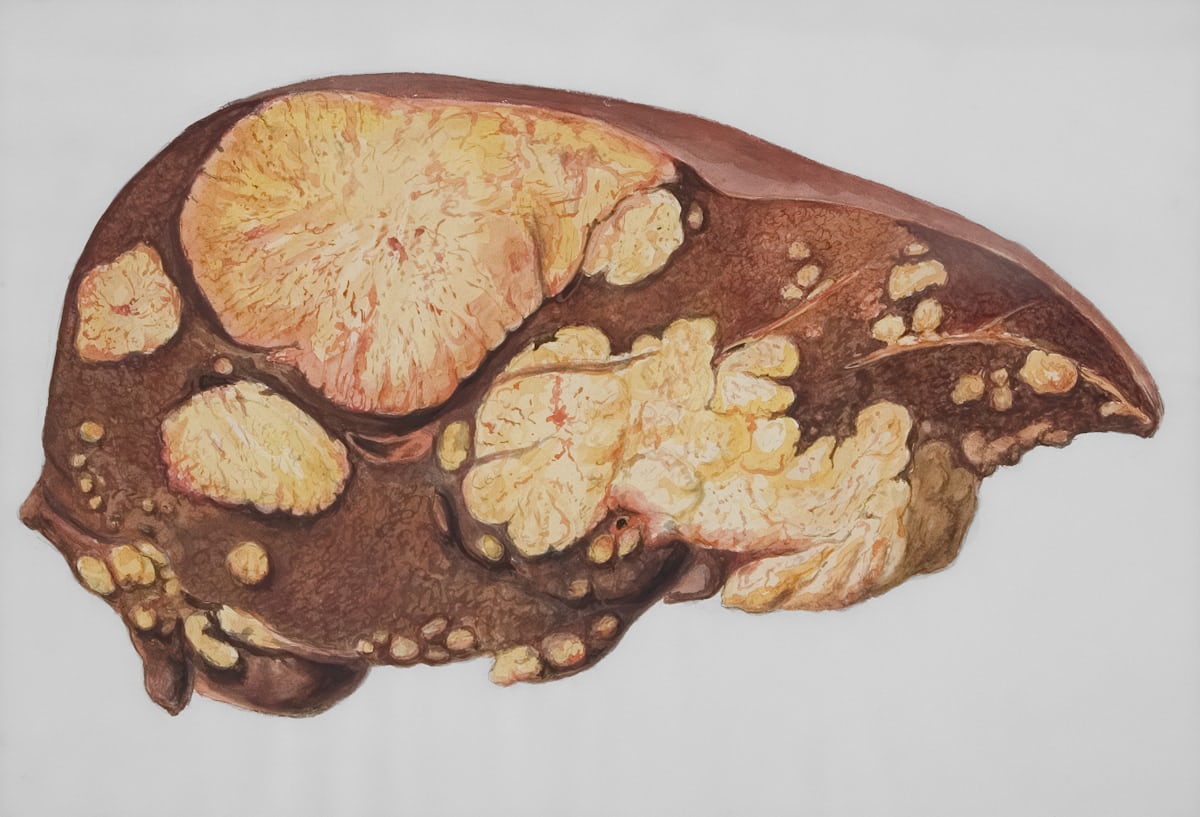



Fatty liver, also called hepatic steatosis, occurs when too much fat builds up in the liver. In its early stages, it often shows no clear symptoms, which makes it difficult to detect without medical tests like ultrasound or blood work. However, there are a few signs and self-check methods you can try at home that may give you an idea if you are at risk of fatty liver. These do not replace a doctor’s diagnosis, but they can help you decide whether to seek medical advice.
1. Check for Unexplained Fatigue
Constant tiredness or lack of energy despite resting well can sometimes be linked to fatty liver. If you often feel drained without another clear reason, it may be a warning sign.
2. Examine Your Waistline
Abdominal obesity is one of the strongest indicators of fatty liver. Measure your waist with a tape:
- For men: More than 40 inches (102 cm)
- For women: More than 35 inches (88 cm)
This can indicate higher risk of fat accumulation in the liver.
3. Look for Abdominal Discomfort or Heaviness
Some people with fatty liver feel a dull ache or heaviness on the right side of the upper abdomen, where the liver is located. This sensation may worsen after eating fatty or heavy meals.
4. Check Your Skin and Eyes
Pale yellowing of the skin or eyes (jaundice) is rare in early fatty liver but can appear if the condition worsens. You may also notice dark patches of skin (acanthosis nigricans), especially on the neck or underarms, which are linked to insulin resistance and fatty liver.
RelatedPosts




5. Monitor Weight Gain and Metabolism Issues
Rapid weight gain, difficulty losing weight, or signs of metabolic syndrome (like high blood pressure, high blood sugar, or high cholesterol) are red flags. Keeping a record of your weight and checking blood sugar at home can give clues.
Note: These home methods are only indicators. A proper diagnosis requires liver function tests, ultrasound, or advice from a healthcare professional. If you notice multiple risk signs, consult a doctor for confirmation and treatment.







Recent Comments