


By Syed Kausar Abbas
For past two decades, Punjab has seen chief ministers remembered either for their speed of governance or for sheer incompetence. When Maryam Nawaz Sharif was nominated as the first woman Chief Minister of Punjab after the 2024 general elections, skepticism was inevitable. Critics, both inside and outside her party, questioned her lack of administrative experience. More deeply, many in Punjab were not prepared to accept a woman at the helm of the country’s largest province.
Yet, Maryam Nawaz stepped into office determined to prove that leadership is measured not by gender but by vision, courage, and the ability to deliver. She formed a youthful cabinet, criticized at first for inexperience, but soon recognized for its energy and fresh ideas. With senior politicians such as Marriyum Aurangzeb and Pervaiz Rasheed offering guidance, she balanced wisdom with dynamism. Ministers like Azma Zahid Bokhari (Information), Sohaib Bherth (C&W), Sania Ashiq (Special Education), Khawaja Imran Nazir (Health), Khawaja Salman Rafique (Specialized Health), Faisal Ayub (Sports and Youth), Bilal Yasin (Housing and Urban Development), Rana Sikandar (Education), and Sardar Ramesh Singh Arora (Minorities & Religious Tourism) have shown visible results on the ground. The diverse cabinet reflects Maryam’s political maturity, combining youthful zeal with seasoned insight.
In her first year, Maryam Nawaz has made clear that she is not a ceremonial figurehead. I had the opportunity to interact with her during the 26th National Security Workshop at the National Defence University in November 2024.
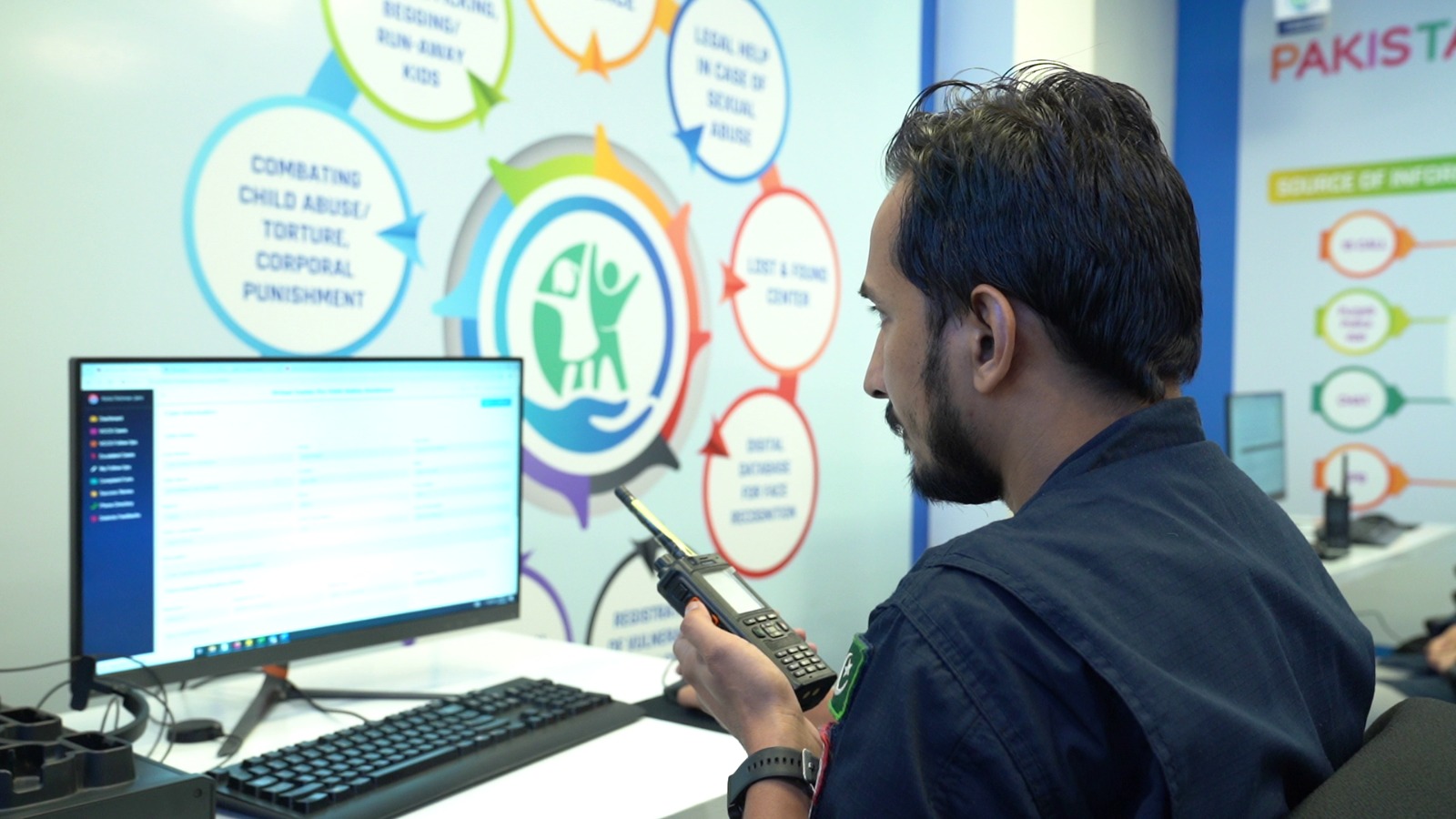
As I am not affiliated with any political party, I write as an independent observer. Unlike many first-time leaders who often rely heavily on staff briefings, she delivered a three-hour presentation herself comprehensive, data-driven, and visionary. From health and education to climate change, police reforms, women’s and child protection, and digital governance, her articulation revealed both mastery of detail and clarity of purpose. Programs like Dhee Rani for girls’ education, Women on Wheels, and mobile hospitals underscore her focus on inclusivity and community uplift.
Maryam Nawaz is also demonstrating a rare quality in Pakistani provincial leadership: international outreach. Her recent five-day visit to Japan was historic, she became the first Chief Minister of Punjab officially invited by the Japanese government. In Tokyo, Yokohama, and Osaka, she engaged policymakers, corporate leaders, and investors, while also addressing the Pakistani diaspora. Attending the World Expo in Osaka, she positioned Punjab as a partner in innovation, trade, and cultural exchange. Coverage of her visit was not only positive but also symbolic, elevating Pakistan’s image at a time when the country faces political instability and an economic crunch.
More than the optics, what stood out was the seriousness with which she approached this diplomatic mission. Every day was packed with engagements, exploring Japanese models of infrastructure, mobility, and environmental sustainability for possible adaptation in Punjab. Her emphasis on replicating successful global practices in local governance reflects an administrator who is pragmatic rather than rhetorical.
Breaking stereotypes has become a hallmark of her leadership. She has shown that women in power are not just symbolic representatives but can be effective agents of transformation. In a society where female leadership is still contested, Maryam Nawaz is setting a precedent not only for Pakistan’s women but also for the country’s governance as a whole.
If her current pace continues, Punjab is likely to witness substantive reforms in the coming years. Political opponents may continue to doubt her, but Maryam Nawaz is proving that vision, preparation, and resilience not gender are what define leadership.