



By Haris Ali
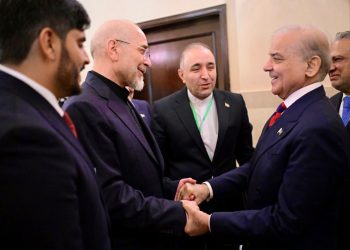
In the bustling, historic streets of Lahore, where tradition meets relentless modernity, a quiet but profound revolution has been unfolding over the past year. Since taking charge on 15 August 2024, Deputy Commissioner (DC) Lahore Syed Musa Raza has redefined administrative excellence, turning the city’s complex urban challenges into opportunities for growth and renewal.
His tenure has been marked by a hands-on, citizen-focused approach that has moved beyond bureaucratic routine to deliver tangible improvements in daily life. From the pristine cleanliness of commercial hubs to the streamlined delivery of public services, his leadership has cultivated a new sense of order and optimism, making Lahore not just a city to live in, but one to take pride in.
Upon his appointment, Syed Musa Raza immediately signalled a shift towards proactive and visible governance. Wasting no time, his initial days were spent on the ground, conducting visits to tehsils from the urban centre to the semi-rural landscapes. These early tours were not mere formalities; they were diagnostic, aimed at understanding the core issues faced by residents and setting a clear vision for a more responsive administration. This vision was swiftly translated into the ambitious ‘CM Punjab’s Lahore Development Programme,’ a comprehensive framework designed to upgrade urban infrastructure and enhance public service delivery across the district.
Central to his initial strategy was a firm commitment to good governance and transparency. He established a culture of accountability by holding regular open courts (khuli kacheri) at his office, where citizens could directly voice their grievances concerning revenue, domicile issuance, and other administrative hurdles. This direct engagement helped demystify bureaucracy and build public trust. Furthermore, his early focus on educational reforms, launching school improvement and cleanliness drives, underscored a long-term vision rooted in investing in the city’s future generations. The business community also took note, with the Lahore Chamber of Commerce and Industry publicly praising his dynamic leadership and collaborative approach from the outset.
Perhaps the most visible success of the past year has been the radical improvement in Lahore’s urban hygiene. Spearheading the Chief Minister’s ‘Clean Lahore Mission,’ DC Lahore Syed Musa Raza mobilised the entire district machinery, including the Lahore Waste Management Company (LWMC) and the Water and Sanitation Agency (WASA), into a cohesive force. Daily inspections, often led by the DC Lahore himself, became the norm, ensuring that high-footfall areas like Anarkali, Shah Alam Market, and Liberty Market were no longer defined by overflowing bins and neglected street corners. This wasn’t just about routine waste collection; it was a holistic campaign against visual pollution, with teams working day and night to remove banners, streamers, and wall chalking.
The results of this relentless focus were most evident during major public events. The Eid-ul-Adha operations were a logistical triumph, with a staggering 54,888 tons of animal waste cleared in a continuous 72-hour operation, preventing health hazards and maintaining civic order. Similarly, meticulous cleanliness plans were executed for large gatherings like the Raiwind congregation, Ashura processions, and Chehlum Hazraat Imam Hussain (AS). A particularly innovative initiative was the crackdown on ‘hanging wires,’ the tangled mess of illegal cables that had become a hazardous eyesore. In coordination with LESCO and PTCL, a systematic drive was launched to remove these wires from poles and footpaths, significantly improving the city’s aesthetic and public safety.
Building on the foundation of a cleaner city, the administration prioritised public health and safety with equal vigour. The annual threats of dengue and polio were met with robust, data-driven campaigns. Comprehensive anti-dengue surveillance was conducted across the city, particularly in hotspots like Johar Town, with regular larviciding schedules and public awareness drives. The anti-polio campaigns were so effective that they earned praise from both national and international observers from the World Health Organisation (WHO), with eight major drives ensuring millions of children were vaccinated.
Simultaneously, a historic campaign was launched to reclaim public spaces from encroachments. Recognising that clogged pathways and illegal constructions hampered traffic flow and pedestrian safety, operations were carried out across the district, clearing major corridors in Anarkali, G-1 Market, and Icchra. This was not merely a punitive exercise; the administration also worked on sustainable solutions, such as establishing designated ‘Rehri Bazaars’ to provide street vendors with legal alternatives. The crackdown extended to the powerful illegal parking mafia, freeing up congested areas and ensuring citizens were not overcharged. These efforts combined to create a safer, more accessible environment, reducing health risks and restoring the right of way to the public.
Furthering the environmental agenda, the administration took a firm stance against smog. Anti-smog squads were deployed to monitor industrial emissions and traffic, with strict action taken against smoke-emitting vehicles and factories. A significant step was the complete ban on plastic bags thinner than 75 microns, a move aimed at tackling a root cause of environmental pollution and urban flooding. These proactive measures demonstrated a commitment not just to reacting to crises, but to preventing them.
A city’s liveability is fundamentally tied to its infrastructure. Under the Lahore Development Programme, significant progress was made in repairing dilapidated roads, improving drainage systems, and upgrading municipal services. Performance reviews helped identify priority areas, leading to targeted patchwork and repair projects that eased traffic congestion and provided relief to commuters. The administration’s foresight was particularly evident in its monsoon preparedness, with pre-emptive desilting of drains and testing of disposal pumps ensuring that heavy rains did not paralyse the city.
The transparency of these projects was a key priority. By implementing an e-tendering system and a Management Information System (MIS), the administration ensured that public funds were utilised efficiently and project timelines were met. This commitment to accountability did not go unnoticed, and in August 2025, Syed Musa Raza was given the additional charge of Commissioner Lahore, a testament to the confidence placed in his leadership and administrative capabilities. This dual role has allowed for even greater synergy in coordinating large-scale development projects, promising a more integrated approach to Lahore’s urban planning.
Beyond the visible changes on the streets, the past year has seen deep-rooted reforms aimed at making governance more efficient and citizen-centric. A major breakthrough was the digitalisation of revenue records, a move designed to enhance transparency in land transfers and inheritance matters, effectively curbing corruption. Another landmark reform was the simplification of the domicile acquisition process in the city tehsil. By eliminating unnecessary requirements like the ‘P-form,’ notary attestations, and physical photographs, the administration dismantled a system ripe for exploitation by the ‘agent mafia,’ making a crucial service accessible and hassle-free for ordinary citizens.
The administration’s focus on public welfare was comprehensive. It actively supervised the Benazir Income Support Programme, ensuring aid reached the deserving. Price control was rigorously enforced through a network of magistrates, with daily crackdowns on profiteering to ensure staples like sugar, flour, and ghee were available at official rates, especially during Ramazan. The administration also showed its cultural and social conscience by supporting the upgradation of Tolinton Market, facilitating religious tourism around Data Darbar, distributing Minority Cards to the minority community, and personally spending time with children at the SOS Village on Eid. These actions collectively paint a picture of an administration that is not just efficient, but also compassionate and deeply connected to the diverse fabric of Lahori society.
As Lahore looks to the future, the legacy of this past year is one of tangible progress and renewed hope. The tenure of Syed Musa Raza has demonstrated that with clear vision, relentless execution, and a genuine commitment to public service, even the most complex urban challenges can be overcome. His work proves that dedicated leadership can truly transform a city, not just by building roads and bridges, but by rebuilding the vital connection of trust between the government and its citizens. Lahore is cleaner, safer, and more efficient today, standing as a testament to a year of impactful action.