


By Our Correspondent
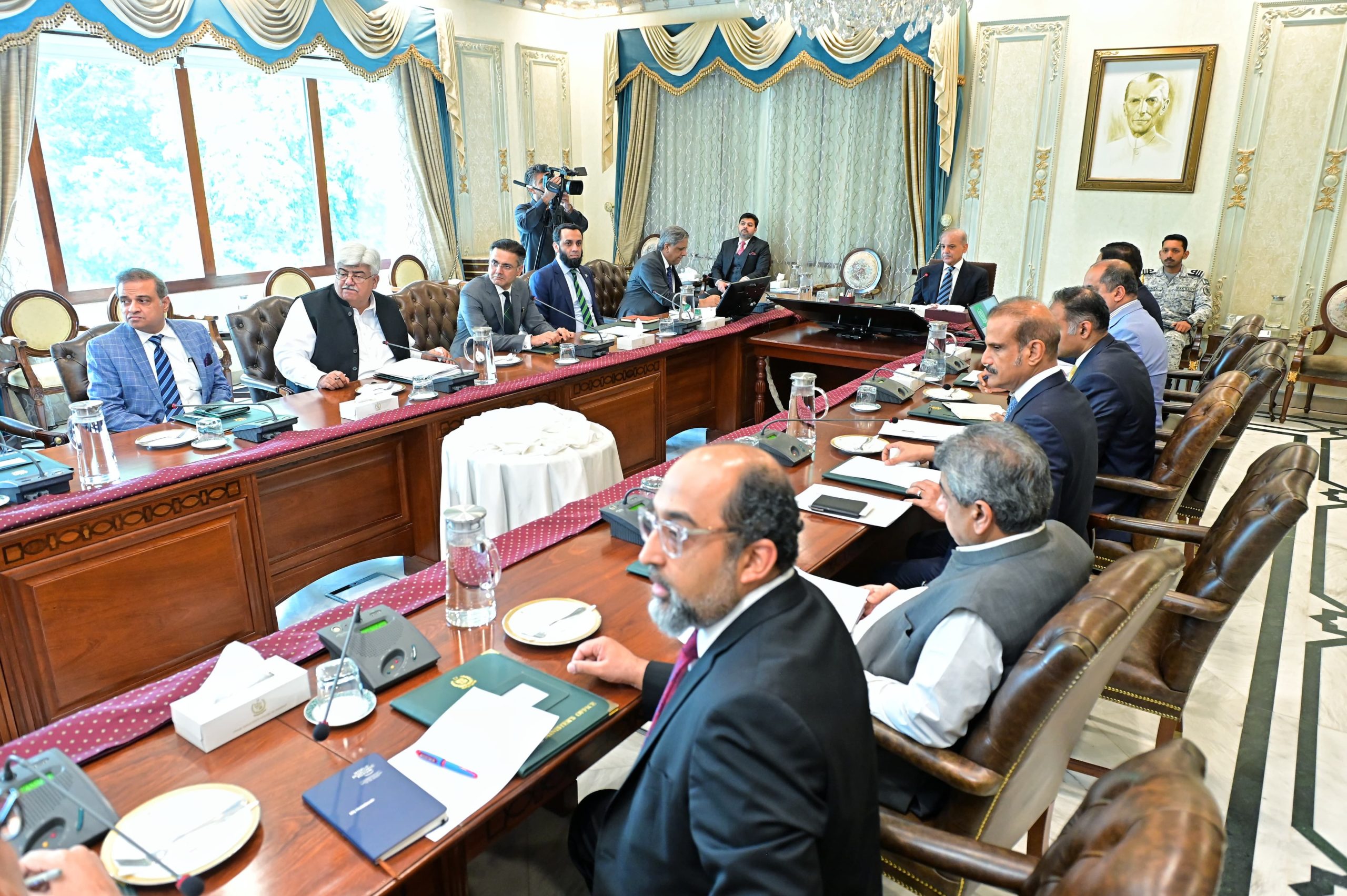
ISLAMABAD: Prime Minister Muhammad Shehbaz Sharif on Tuesday chaired a high-level meeting to review the ongoing reform process of the Federal Board of Revenue (FBR), emphasizing the need for modernizing the tax system in line with contemporary requirements and ensuring timely implementation of set targets.
While terming the improvement in tax mechanisms as a positive development, the premier noted that more effort is required to achieve sustainable results. He directed that steps taken for the digitization of FBR must be transformed into a permanent and robust system.
Highlighting the importance of enforcement to curb the informal economy, the prime minister called for additional measures and renewed focus on bringing more sectors under the tax net. He instructed the restructuring of the FBR’s digital wing through a comprehensive roadmap with clearly defined timelines.
PM Shehbaz stressed that all stakeholders—including the business community, traders, and taxpayers—must be consulted during the reform process and their suggestions incorporated to ensure ease and facilitation in the system.
He said that enhancing tax revenue without burdening the common man remains a top government priority, and improving the tax-to-GDP ratio will lead to increased national income.
During the meeting, officials briefed the prime minister on the outcomes of the ongoing reforms and enforcement initiatives. It was revealed that the tax-to-GDP ratio saw a historic increase of 1.5% in FY2025 compared to 2024.
Furthermore, the number of tax return filers surged from 4.5 million in 2024 to over 7.2 million by June 30, 2025. The FBR’s faceless customs clearance system has not only boosted tax collection but is also expected to reduce clearance times from 52 hours to just 12 hours within the next three months.
In the retail sector, tax collection rose by Rs. 455 billion in FY2025 due to the successful implementation of point-of-sale (POS) systems, system integration of retailers with FBR, and enhanced enforcement.
A new review mechanism under the faceless system has also been introduced, allowing real-time decisions on cases via video link.
Additionally, reforms contributed to a 2.16% reduction in the weighted average tariff on imports, cutting down raw material costs and benefiting the manufacturing sector. Officials informed that international experts’ recommendations are also being incorporated into the digitization of economic sectors and tax reforms.
Existing data will be utilized more effectively to register industrial production phases with relevant government departments.
The meeting concluded with the prime minister commending the efforts of FBR officials and directed that actionable goals with clear deadlines be submitted next week for the upcoming phase of reforms.
Federal Ministers Attaullah Tarar (Information), Ahsan Cheema (Economic Affairs), Azam Nazeer Tarar (Law), FBR Chairman, and other senior officials attended the meeting.