


By Mansoor Ahmed Kataria
The history of crime is as old as the beginning of human beings. Crime can be defined in numerous ways. It would not be possible to define it conclusively. But as the common definition goes, crime is a wrong committed against the society by violating the codal limits. Crimes can be categorised into misdemeanours and felonies on the basis of intensity and the effects.
Read also:Punjab Assembly sees heated debate over proposed ‘Goonda Act’, approves private university bills
It is highly unlikely to eliminate the crimes but the states strive hard to mitigate the same. The objective of the states is to uproot the crimes by punishing the transgressors and offenders. To achieve these objectives, different institutions are established to ensure order in the society. Hence, the legislature legislates, executive executes execute and judiciary ensures justice is served. Pakistan like many other states has all these institutions and is signatory to human rights conventions. Everything is so smooth and functions well in papers but the devil is in the details.
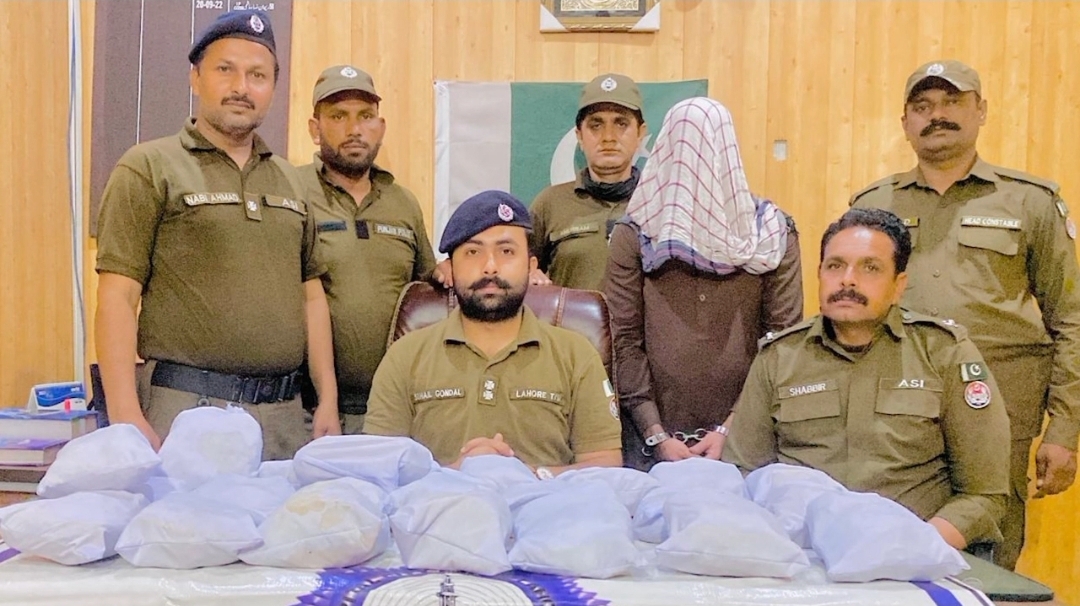
The crime control department, a branch of the Punjab police department, is in the news headlines. The criminals in Punjab are on the run beseeching for their lives and many took to social media apologising for the crimes they had committed. CCD has reportedly prepared the lists of dacoits, gangsters, sharp shooters and other habitual criminals. The government of Punjab has decided to purge the province in a way not unknown to the state of Pakistan. It reminds us of the infamous operation against listed criminals in the times of President Ayub khan to eliminate the bad elements from society. The operation against the MQM in Karachi when Nawaz Sharif was at the helm in 1993 bled Karachi on the pretext of criminal cleansing. Shehbaz sharif, when he was the CM Punjab, acted similarly to hunt down the offenders. It is more of a sharif’s style of sorting out the things, by hook or by crook. If crime in the past couldn’t be stopped with arbitrary killings, how can it produce different results this time by applying the same method? And if it is so then the government should allow the warring parties to avenge the killings themselves because that way too criminals would be murdered and number lowered.
Public opinion is divided on the matter, many consider it a good step towards attaining peace, few take it as a breach of human and constitutional rights. Such actions speak volumes about the erosion of the public trust in judiciary and law enforcement agencies. Lay people are not cognisant of the fact that the judiciary judges on the basis of available material, which in criminal cases is provided by the police. On the one hand it shows the public’s meekness in the face of increasing crime while on the other hand it brings to the light the inability of the police to nab and challan the criminals effectively.
The reality is that the Punjab government has unleashed the hounds who know nothing but carnage. The constitution of Islamic Republic of Pakistan suggests a different path. Article 10-A of the constitution of the Islamic Republic of Pakistan instructs the state to ensure Right to fair trial which unmistakably means, every person accused of an offence shall have the right to fair trial. It means come what may, the state can neither legislate nor act in a way that renders this right a dead constellation of letters. Notwithstanding the constitutional safeguards, the establishment of a department that violates the basic human rights and constitutional rights, is an allusion towards the failure of the Police department particularly and the Punjab government generally. Code of Criminal Procedure, 1898 comprehensively elucidates the procedure for trying the offenders and police rules 1934 read with the police order 2002 are relevant to the functioning and conduct of the police department. Investigation is a cumbersome process but police are duty bound to collect the evidence, draft and send the report to the prosecution department and thereby assist the court for complete justice. An offender,though desperate, hardened and habitual, has to face the trial and the judiciary alone can judge. But the arbitrary encounters termed as ‘full fry’ are out of question and serious violation of the law by police. They have changed the legal adage in letter and spirit, “Innocent until the CCD thinks otherwise”.
This is a glaring example of the failure of the government to empower the institutions. The police department on the other hand has found a shortcut to pull down the accused persons to death without thorough investigation into the cases. Already police are infamous for investigating the criminal cases in a casual manner benefiting the offenders to the detriment of victims and prosecution. These acts of the CCD raise questions on the efficiency, capacity and ability of the government and law enforcement agencies. Although the police department has meagre resources and low incentives to do the needed yet extra judicial killings remain a real question mark and can not be justified in any way.
The government needs to empower the police by enhancing their salaries, facilitating their families with subsidised education and healthcare and low-price housing. Moreso, the physical training programmes and lectures on law must be organised. The conduct of low rank police officials must be monitored and unnecessary public contact be reduced. Instead of investing in the new institutions of the similar nature, the already established ones must be equipped with all possible finances and the needful. Police should not breed hate and crime by their actions. Law must be followed at any cost.