


By Our Staff Reporter
LAHORE: Punjab Chief Minister Maryam Nawaz Sharif has launched a comprehensive province-wide response to tackle both ongoing torrential monsoon rains and to usher in key reforms in the transport sector.
In a series of high-level meetings and rescue operations, the CM has taken center stage in safeguarding lives, modernizing urban mobility, and coordinating relief activities across Punjab.
Life-Saving Operations in Flood-Affected Areas
Following over 200mm of rain in Rawalpindi and a dangerous surge in Nala Lai, CM Maryam Nawaz Sharif ordered emergency measures to ensure public safety. Timely rescue operations were carried out across Rawalpindi, Chakwal, and Jhelum, saving dozens of lives. The water level in Nala Lai receded from 21 feet to 5 feet thanks to quick drainage efforts.
In Rawalpindi, a digital surveillance operation was led by CM Maryam Nawaz herself to monitor the rescue of 16 people trapped in floodwaters near Ladian, a suburb of the city. The Deputy Commissioner dispatched a rapid-response team under Assistant Commissioner Saddar, successfully evacuating the victims to safety.
Meanwhile, in Chakwal and Jhelum, a massive rescue mission involving the Pakistan Army Airlift Helicopter saved 40 stranded villagers in Dhok Badar and Nakka Kalan. These remote villages were cut off due to heavy flooding and cloudburst-triggered torrents. Villagers expressed gratitude to the Punjab Government and the Pakistan Army for the timely rescue, emphasizing that any delay could have been catastrophic.
In a separate message on social media platform ‘X’, CM Maryam stated, “It is a matter of great satisfaction that no loss of life occurred due to negligence or carelessness by any stakeholder.” She commended both the administration and rescue workers for their dedication and professionalism.
Directives for Continuous Monitoring and Relief
CM Maryam Nawaz has directed all Commissioners and Deputy Commissioners to stay on high alert amid ongoing and unprecedented monsoon rains. She instructed the deployment of air ambulances on standby and ordered Rescue 1122 teams, PDMA, and Civil Defence volunteers to remain in the field.
She emphasized round-the-clock surveillance and flood monitoring across rivers and canals in Rawalpindi, Chakwal, Talagang, and Jhelum. Citizens have been advised to stay away from rivers and follow all safety instructions issued by the administration. Loudspeaker announcements and sound sirens are to be used in flood-prone areas to provide early warnings and evacuation alerts.
Digital Overhaul of Punjab’s Public Transport System
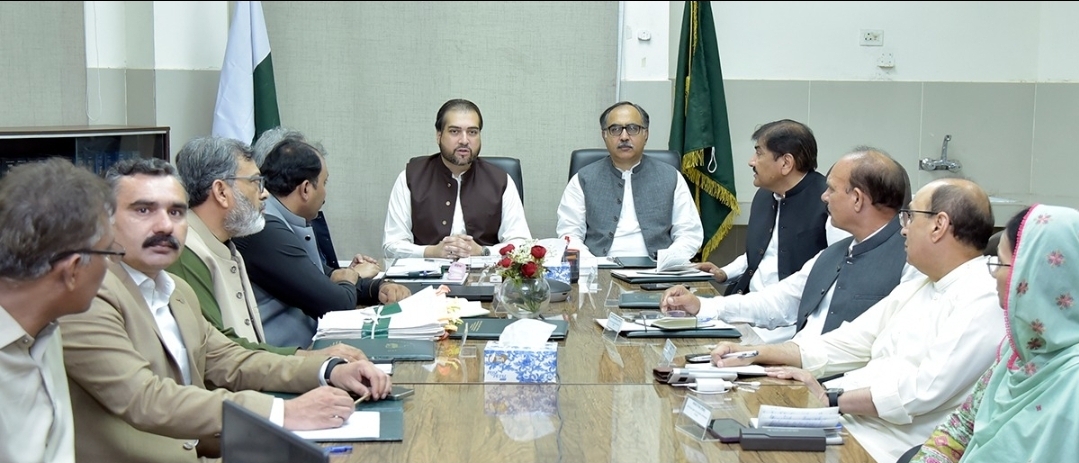
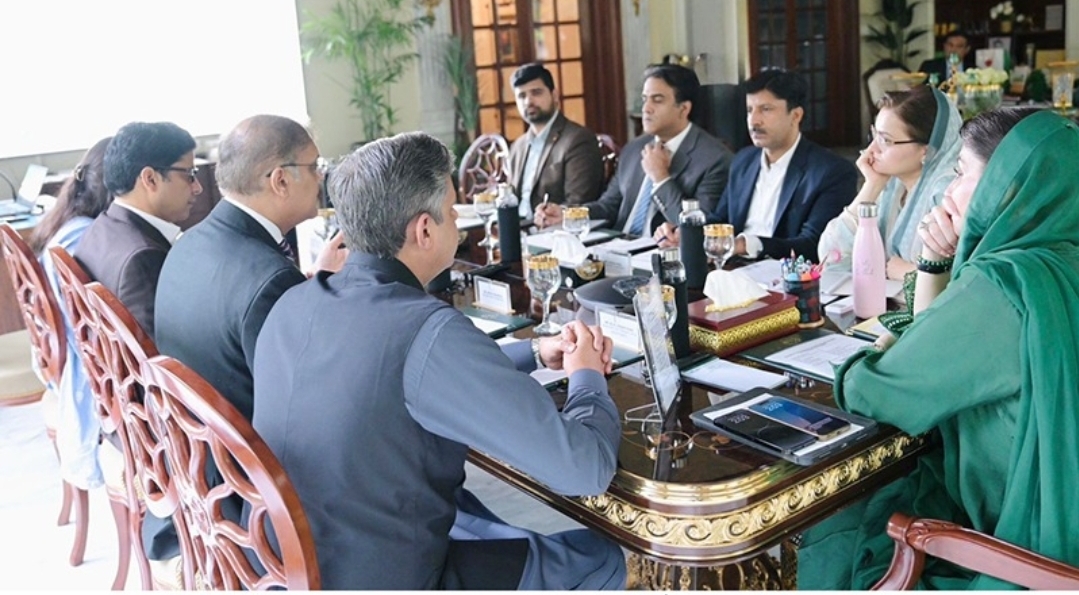
In a major policy shift, CM Maryam Nawaz presided over a special meeting of the Transport Department and Punjab Mass Transit Authority, where it was decided to abolish the token system in Lahore’s Orange Line and Metro Bus and replace it with a digital payment system.
The new system will allow passengers to pay fares using credit/debit cards, mobile apps, and NFC-enabled (tap-and-go) cards. A single T-Cash card will be introduced for use across all metro systems in Lahore, Multan, Rawalpindi, and Islamabad, simplifying urban commuting. A separate student card will also be introduced, aimed at making public transport more accessible to young commuters.
The CM also gave in-principle approval for recruitment on technical posts (grades 5–18) in the transport department and proposed electric rickshaws as an alternative to motorcycle rickshaws. Suggestions for the first-ever international transport expo in Punjab were welcomed, and work on installing 50 prefabricated bus shelters in Lahore is expected to begin shortly.
Additionally, the Chief Minister approved the launch of a comprehensive RFID sticker system for vehicle-related matters, simplifying administrative processes for motorists.
Relief, Reform, and Resilience
Maryam Nawaz Sharif’s leadership during the monsoon emergency reflects her administration’s commitment to not only handle crises but also implement forward-thinking reforms. Her coordinated approach—spanning infrastructure, safety, technology, and citizen welfare—has drawn praise from both provincial officials and the general public.
With the electric buses for Punjab districts arriving in August and transport reforms gaining momentum, the Chief Minister’s vision for a more resilient, responsive, and smart Punjab is steadily taking shape.