


By Our Correspondent
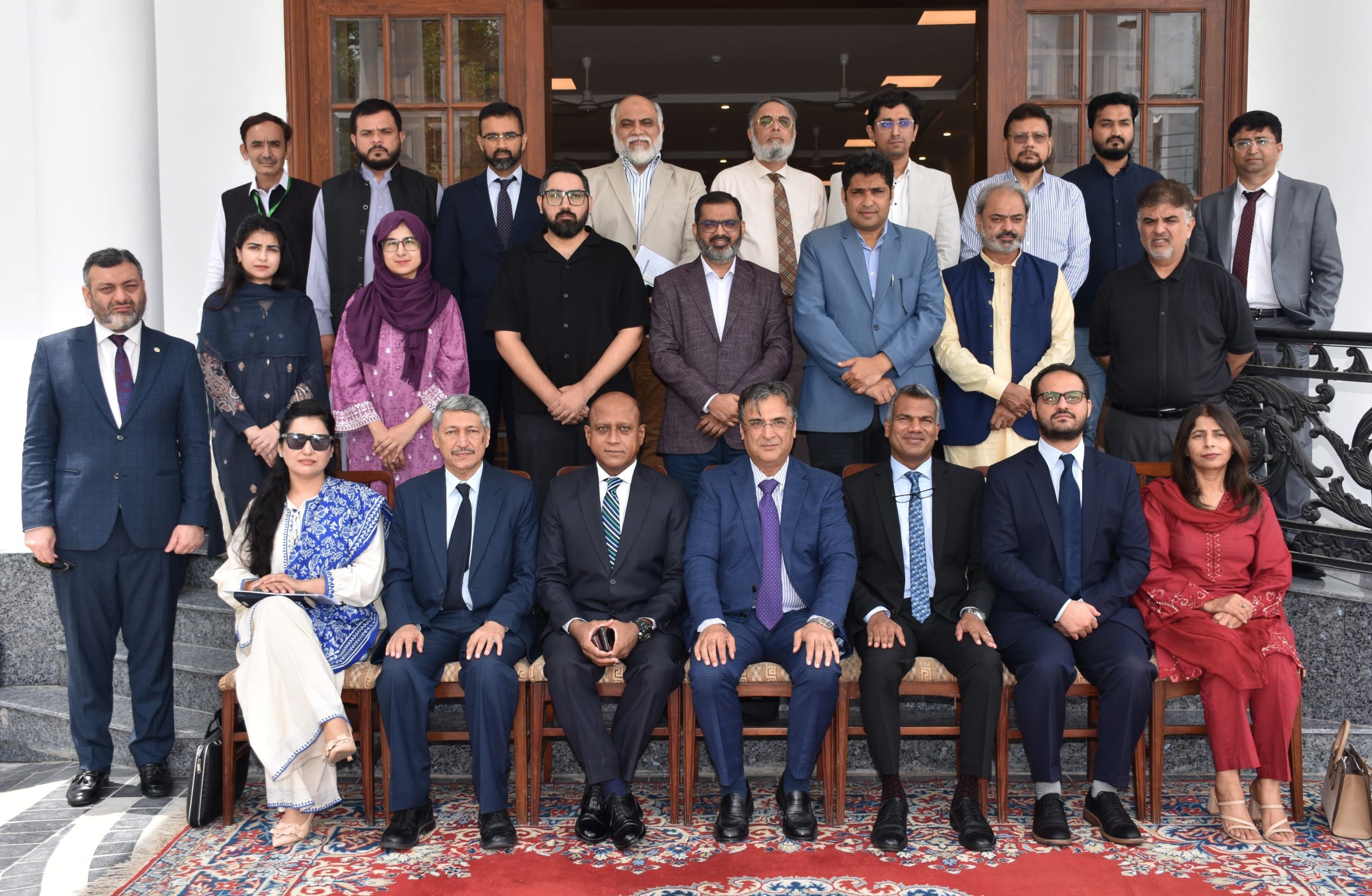
LAHORE: The National School of Public Policy (NSPP), in collaboration with UNESCO, hosted a multi-stakeholder dialogue titled “AI for Humanity: Ethical and Inclusive AI in Pakistan”, bringing together key actors from the public sector, civil society, academia, and media to discuss Awareness and Readiness from Pakistan’s draft National Artificial Intelligence (AI) Policy perspective.
The dialogue is part of a broader series of technical engagements facilitated by UNESCO to unpack the five strategic pillars of the draft policy and ensure an inclusive, rights-based approach to AI governance in Pakistan.
In his welcome remarks, Dr. Naveed Elahi, Dean National Institute of Public Policy, National School of Public Policy, Pakistan stated that whilst AI use in public sector is still in its nascent stages in Pakistan, but the dialogue organized with the support of UNESCO was a timely intervention. This multistakeholder dialogue would bring in perspectives that respect cultural contexts and protect fundamental rights.
Dr. Aneel Salman, Policy & Governance Expert, provided critical context around Pakistan’s policy landscape, emphasizing the urgency of embedding ethical frameworks within national strategies. He mentioned that “AI will not transform Pakistan until Pakistanis are ready to shape it. We are sitting on a demographic goldmine. But without AI skills, it’s just potential. This pillar is how we turn more than 224 million people into a million digital assets.”
In his remarks, Mr. Hamza Khan Swati, National Professional Officer, Communication and Information Sector, UNESCO Pakistan, highlighted the relevance of UNESCO’s global normative work, including the Recommendation on the Ethics of AI and the Readiness Assessment Methodology for AI, which emphasizes transparency, human rights, and international cooperation.
The discussion focused on institutional preparedness, digital infrastructure, and the need for capacity-building to ensure the safe and ethical deployment of AI. It also drew on the global best practices such as UNESCO’s capacity-building Programme on AI and the Rule of Law, and the AI Competency Framework piloted under the UN Broadband Commission.
The event concluded with key policy insights that will feed into the ongoing consultations on Pakistan’s National AI Policy and strengthen collaboration between stakeholders to uphold human dignity and ethical standards in the digital era.