


With public pressure mounting for transparency and genuine accountability — including demands for top-level resignations — the Swat tragedy has exposed more than the dangers of flash flooding.
By The Tribune International Staff
PESHAWAR – While official reports on the Swat River tragedy blame tourists for ignoring warnings before entering floodwaters, a closer look reveals glaring negligence by authorities — and growing concerns that the government may be attempting to deflect institutional failures through selective reporting.
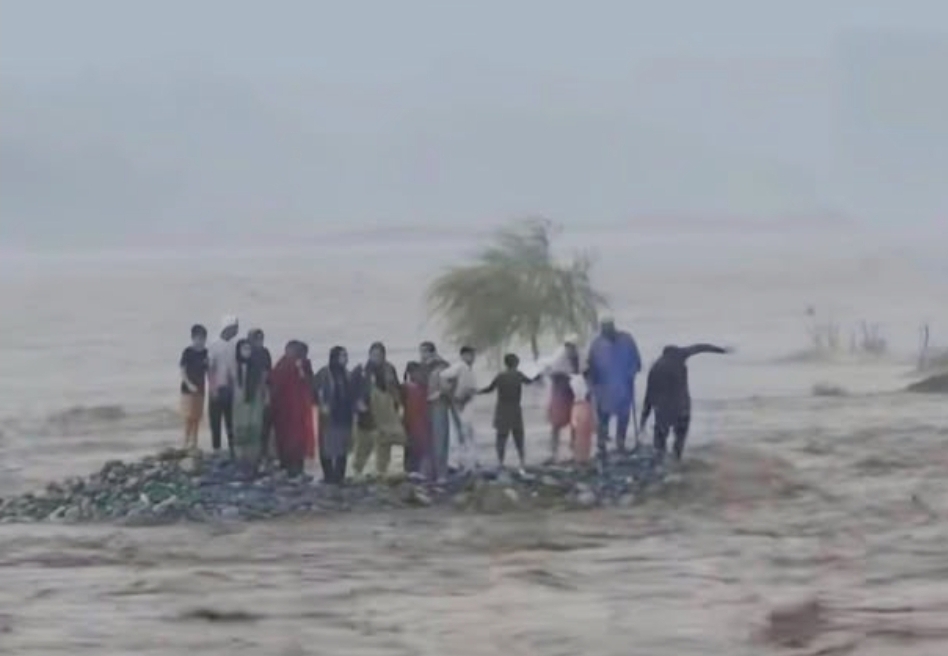
On June 27, at least 12 tourists lost their lives after being swept away by a sudden flood in the Swat River. Initial reports pointed to unexpected monsoon rains and the tourists’ decision to enter the river despite warnings from a hotel security guard. However, an inquiry submitted by the Malakand Commissioner to the Provincial Inspection Team reveals troubling oversights — many of which appear to be glossed over or underemphasized.
Authorities claim that the tourists entered the river at 9:31 am, ignoring the guard’s warnings, and that a distress call was made just 14 minutes later. Yet rescue teams reportedly arrived at 10:05 am, raising serious questions about response time and efficiency — especially given that flood alerts were issued as early as 8:41 am by the irrigation department.
Critics argue that the delay, despite real-time alerts and known monsoon hazards, reflects a deeper failure of disaster preparedness. “The government appears to be shifting the blame entirely onto the victims, when in reality, the administration was unprepared despite knowing the risks,” said a civil society activist from Swat.
One of the most concerning revelations in the report is the acknowledgment that construction work along the Swat River had altered the natural flow of water, creating deceptively shallow areas. This misleading terrain may have given tourists a false sense of safety. However, the report does not identify who approved or oversaw these modifications, raising public concern that the omission may be an attempt to avoid implicating influential contractors or officials.
“There seems to be a clear reluctance to investigate how unauthorized or poorly regulated construction contributed to this disaster,” said a former irrigation official who spoke on condition of anonymity. “If you alter a river’s flow without environmental assessments, you’re creating hidden risks — and that’s exactly what may have happened here.”
The government imposed Section 144 on June 24 to ban swimming and boating in the river. But enforcement, by all indications, was minimal. There were no visible warning signs near hotels or along the riverbanks, no patrol units actively restricting access, and little evidence of coordination between local authorities and businesses. According to the report, the tourists bypassed the main entrance of the hotel and entered from the rear. However, the lack of barricades, signage, or proactive prevention highlights administrative gaps.
The rescue operation has also come under scrutiny. Despite repeated weather warnings, no emergency response teams were stationed in this high-risk tourist zone. The absence of proper equipment, flood-trained personnel, and advance deployment raises questions about administrative readiness. The report itself recommends equipping Rescue 1122 with flood-specific tools — an indirect admission that the current setup was under-resourced.
In the aftermath, the government suspended several officials, including the Deputy Commissioner, Assistant Commissioners, and Tehsil officers. However, critics argue that these are cosmetic actions that avoid addressing the broader systemic issues. A complete ban on mining was announced after the incident, yet no inquiry has been launched into whether previous mining activity played a role in destabilizing the riverbed or exacerbating flooding.
“This is not just about a natural disaster — it’s about preventable failures in governance,” said a member of the Khyber-Pakhtunkhwa Bar Council. “Instead of tackling deeper structural weaknesses, the system appears to be deflecting responsibility onto junior officers and those who lost their lives.”
With public pressure mounting for transparency and genuine accountability — including demands for top-level resignations — the Swat tragedy has exposed more than the dangers of flash flooding. It has laid bare a bureaucratic culture that too often responds to crisis with denial, delay, and deflection.