



By Asim Shehzad
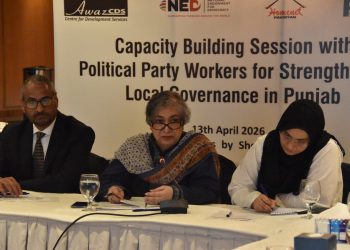
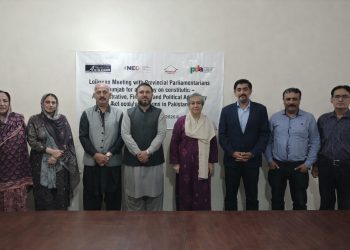
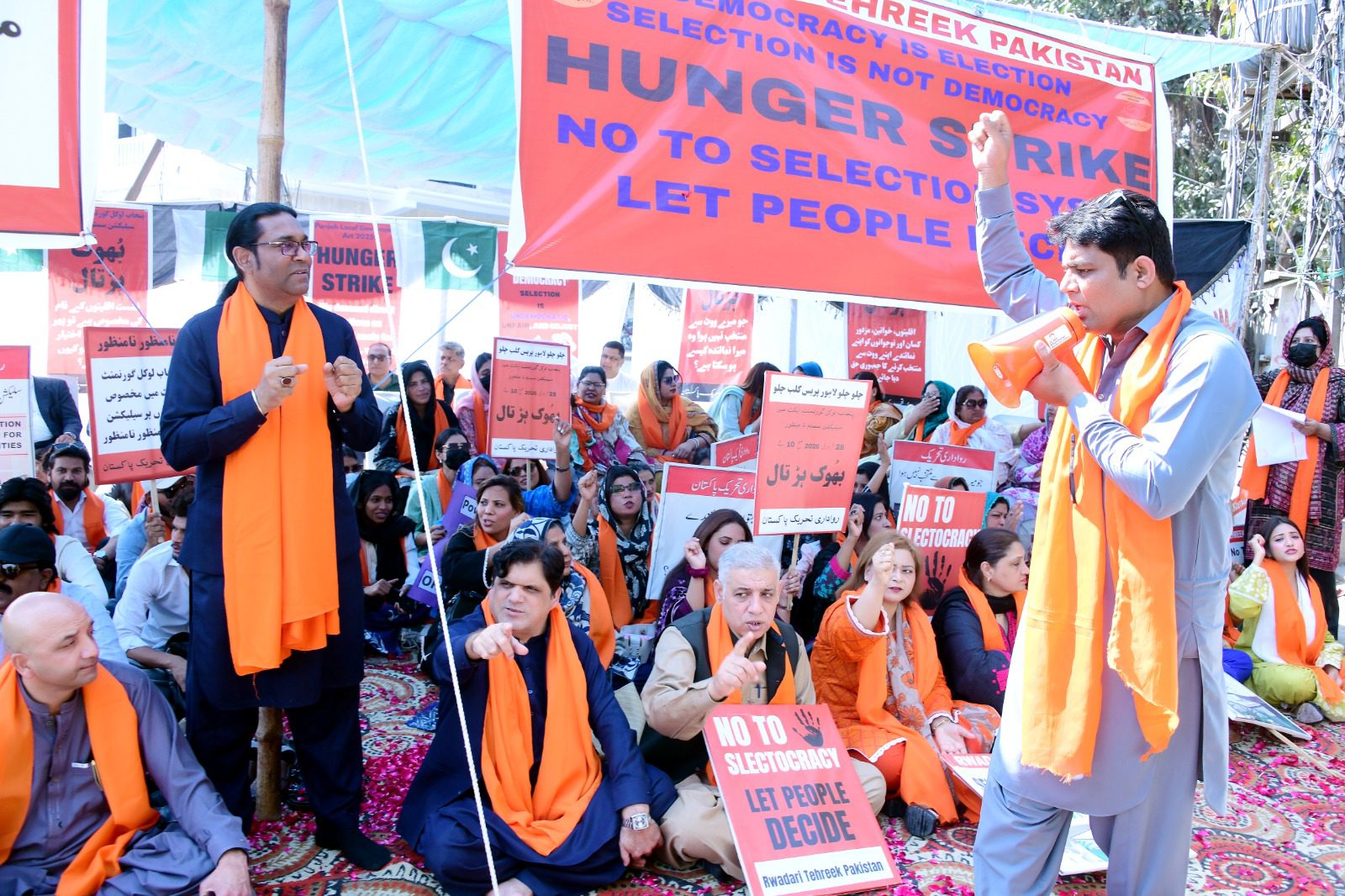
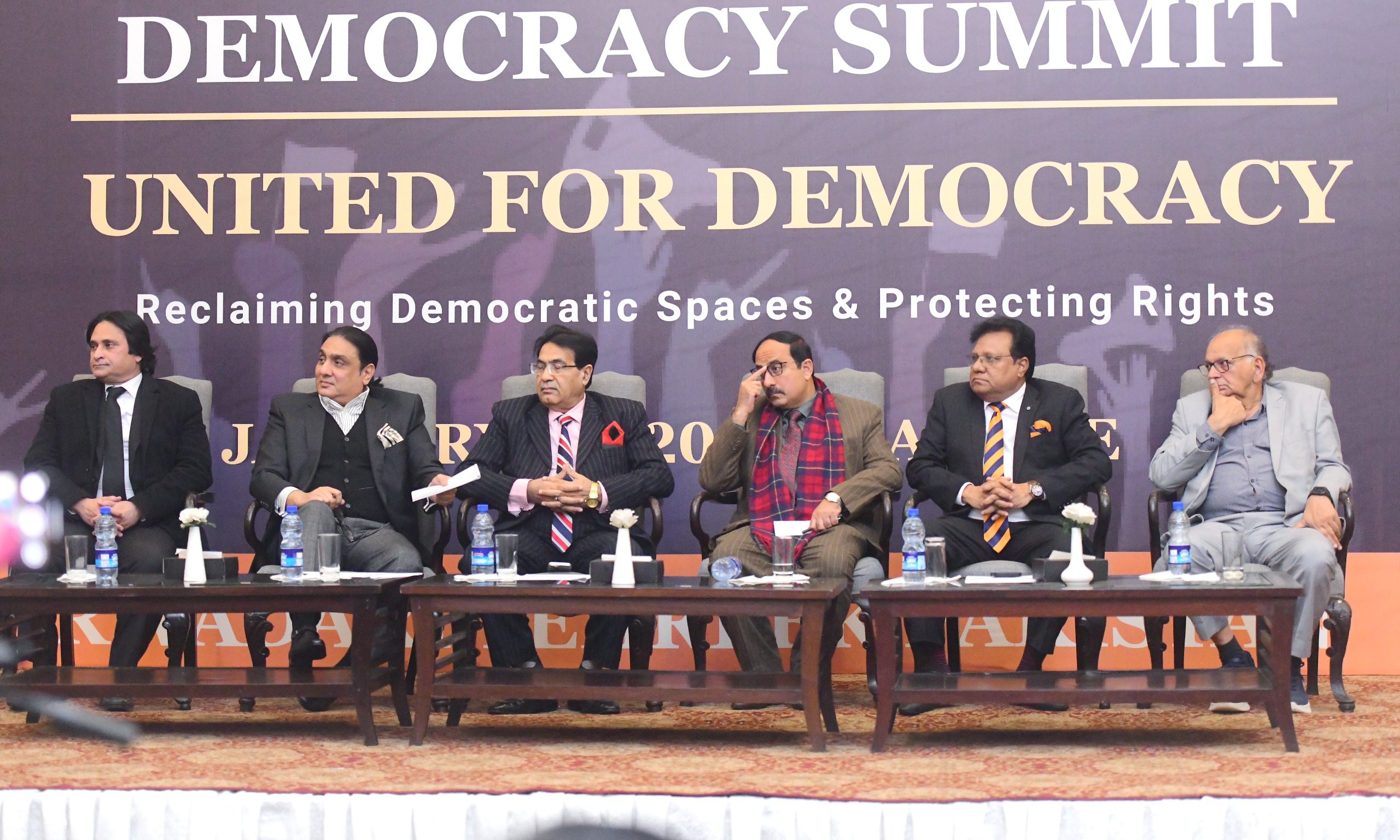
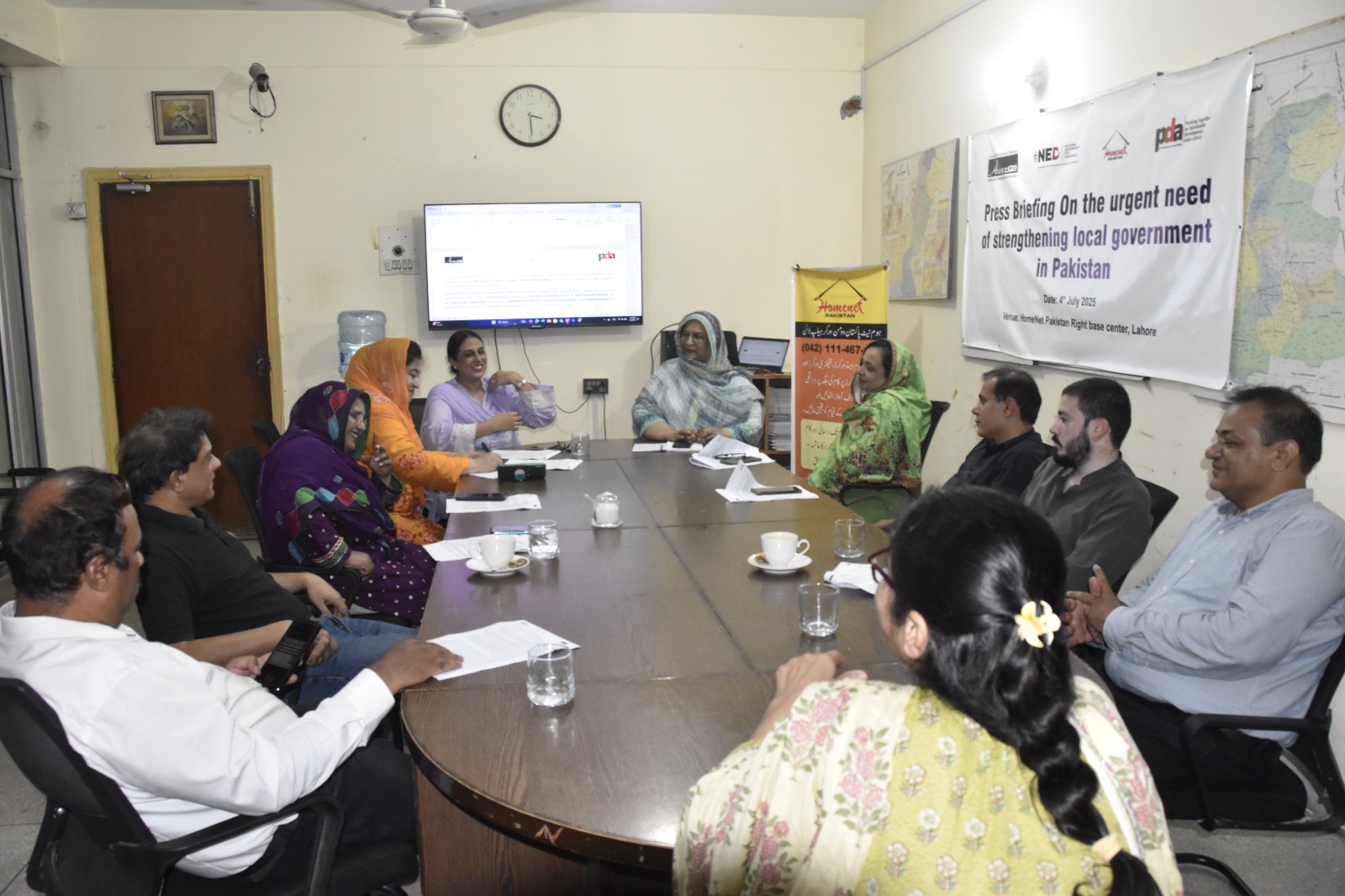
LAHORE: AwazCDS-Pakistan, Pakistan Development Alliance, and HomeNet Pakistan jointly held a press conference highlighting the urgent need to strengthen local governments across Pakistan. These organizations emphasized that without empowered and functional local bodies, democracy and development in the country remain incomplete.
Local governments are the cornerstone of democratic governance, allowing communities to participate in decisions, monitor service delivery, and ensure accountability at the grassroots level. However, in Pakistan, this crucial tier suffers from constitutional neglect, political indifference, and severe fiscal constraints. Despite Article 140-A of the Constitution mandating the establishment of elected local governments, they are not treated as a distinct tier of government. There is no dedicated chapter or legal framework defining their powers and responsibilities. This omission has allowed provinces to treat local governments as subordinate administrative units, undermining the spirit of devolution.
AwazCDS-Pakistan recently conducted a comprehensive study to assess the constitutional, political, administrative, and financial status of local governments in all four provinces and Islamabad Capital Territory. The study reveals that while federal and provincial tiers gained power under the 18th Amendment, local governments were left legally undefined and institutionally weak. Provincial governments often centralize authority, manipulate local governance structures, and delay elections without consequences, weakening democratic accountability and service delivery.
The political commitment to local governance also remains largely rhetorical. Most major parties, including those in power, have promised devolution and strengthening of local governments in their manifestos and through documents such as the Charter of Democracy (2006). However, these promises remain unfulfilled. Once in office, parties often dismantle or delay local councils instead of empowering them, revealing a disconnect between political pledges and actual governance practices.
One of the most critical challenges is fiscal marginalization. The study highlights that local government budgets are poorly structured, restricted mainly to basic administrative expenses, contingency allocations, and limited development funds. Unlike federal and provincial budgets that follow international systems such as the UN’s Classification of Functions of Government (COFOG) and the Standard Chart of Accounts (COA), local budgets lack transparency, coherence, and analytical clarity. Additionally, local governments are unable to raise meaningful revenue, with taxation powers tightly controlled by provinces. Most provinces have failed to operationalize Provincial Finance Commissions (PFCs), making financial transfers non-transparent and politically motivated.
The study also points to the irregular and unstable history of local elections in Pakistan. Military regimes have typically held local elections to legitimize their rule, while civilian governments have shown reluctance, often dissolving elected bodies before their term ends or delaying elections for years. In several cases, it has taken Supreme Court intervention to force provinces to conduct overdue local polls. This instability has broken the connection between citizens and their elected local representatives, weakening democratic engagement and local accountability.
In response, AwazCDS-Pakistan, Pakistan Development Alliance, and HomeNet Pakistan have called for immediate reforms. These include a constitutional amendment introducing a dedicated chapter that clearly defines the role, powers, and protections of local governments. They also demand activation of PFCs with fixed terms and independent oversight, mandatory local elections with constitutional deadlines and penalties for delays, adoption of standardized budgeting frameworks such as COFOG and COA, revenue-raising authority for local bodies, and formal recognition of local governments as an equal third tier of governance.
The organizations urged political parties, legislatures, civil society, and development partners to recognize local governance not as an administrative formality but as a democratic necessity. Only through legal, financial, and institutional reforms can local governments in Pakistan fulfill their role in delivering responsive, inclusive, and accountable governance to citizens across the country.