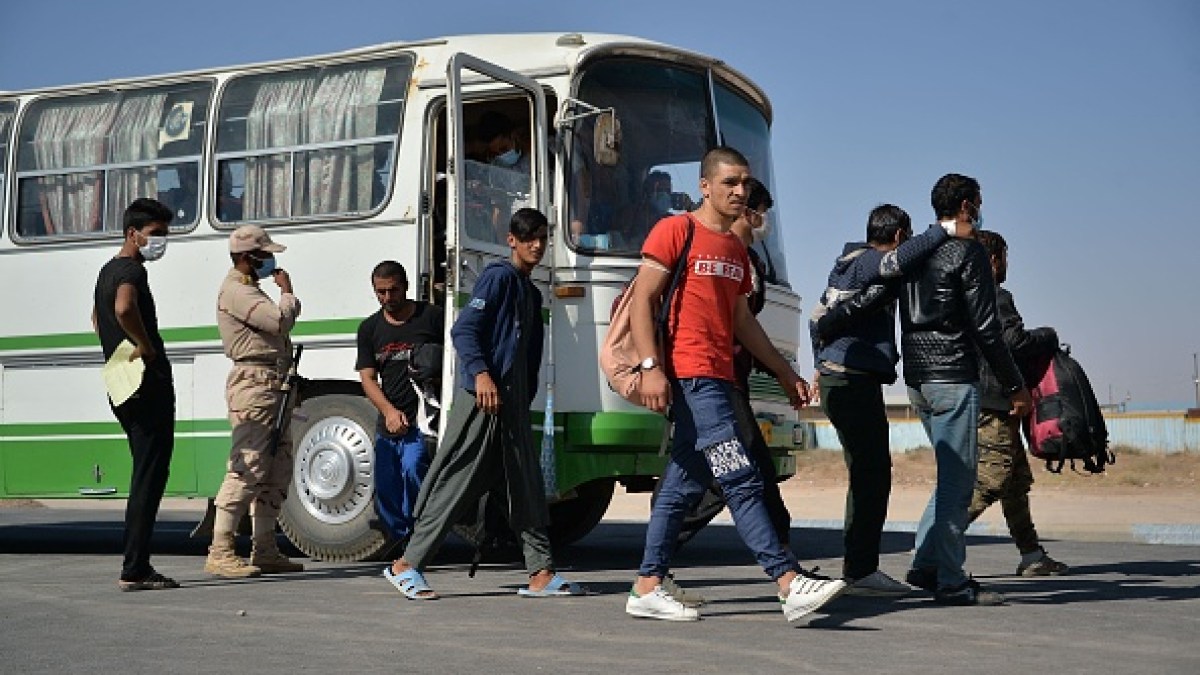



Enayatullah Asghari, a 35-year-old Afghan citizen, was among thousands deported from Iran following the 12-day Iran-Israel conflict that began on June 13, 2025.
As tensions escalated after Israeli and U.S. strikes on Iranian nuclear facilities, Asghari faced growing hostility in Tehran, where he had sought refuge. Accused of spying and unable to find work or affordable housing, he was forced to return to western Afghanistan, uncertain of his future in a country isolated since the Taliban’s 2021 takeover.
The United Nations reports that Iran’s deportations of Afghans surged during the conflict, with an average of 30,000 deportations daily, a 15-fold increase from the previous 2,000.
Iran’s government spokesperson, Fatemeh Mohajerani, defended the deportations on Tuesday, July 1, 2025, citing national security concerns while emphasizing that the policy targets “illegal nationals” for return to their homeland, not expulsion. No mention was made of spy allegations, and Afghanistan’s government has not commented.
Iran had already intensified its crackdown on undocumented foreigners, including an estimated 2.6 million Afghans living without legal status in 2022, following the fall of Kabul.
The recent war, which ended with a ceasefire on June 24, 2025, worsened conditions for Afghans in Iran, with many facing accusations of espionage.
Asghari recounted being treated with contempt by Iranian authorities and locals, who labeled Afghans as “enemies” undermining the country.Arafat Jamal, the UNHCR representative in Afghanistan, expressed alarm over the deportations, suggesting Afghans are being scapegoated for Iran’s wartime frustrations.
He warned of a “perfect storm” as Pakistan also accelerates its repatriation of Afghans, begun in 2023, compounding Afghanistan’s humanitarian crisis. Western sanctions on Afghanistan’s banking sector and a drastic reduction in aid—from $3.2 billion three years ago to $538 million in 2025—have deepened economic woes.
Over 1.2 million Afghans have returned from Iran and Pakistan this year, often with minimal possessions.
Iran insists it welcomes legal migrants, including skilled Afghan professionals, but will continue enforcing policies against undocumented individuals. Ahmad Fawad Rahimi, a 26-year-old Afghan with a valid Iranian work visa, chose to leave during the war due to safety fears.
However, he was detained in a camp where he endured harsh conditions, including limited food and water, confiscated phones, and costly transport fees to cross the border.
Rahimi noted that, unlike before the war when deportations followed warnings, Afghans are now immediately treated as spies and expelled.
The UNHCR, severely underfunded at less than 25% of its 2025 needs, warns that these deportations risk further destabilizing Afghanistan and the region.