


MOSCOW (News Desk) – Amid rising tensions in the Middle East following Israel’s deadly airstrikes on Iran and Tehran’s retaliatory missile and drone attacks, Russia has stepped up efforts to position itself as a neutral peace broker, leveraging its unique diplomatic ties with both countries.
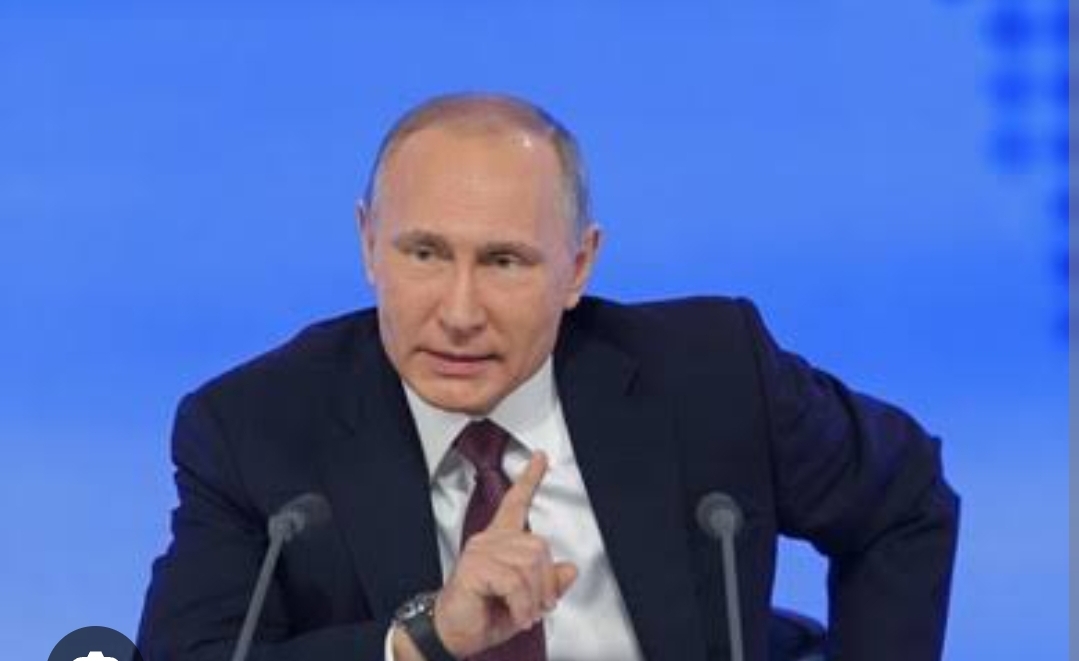
Russian President Vladimir Putin held separate phone conversations with Israeli Prime Minister Benjamin Netanyahu and Iranian President Masoud Pezeshkian, offering to mediate and urging both sides to de-escalate the conflict. The Kremlin also issued a strongly-worded statement condemning the Israeli strikes as “unacceptable” and warned of dangerous consequences for the region.
Despite its condemnation, Russia has stopped short of offering military support to Iran. Instead, it is advocating for diplomatic and political solutions, highlighting its long-standing interest in resolving the Iranian nuclear issue peacefully.
Russia’s ties with Iran have grown stronger over the years, especially following the Syrian civil war where both countries supported Bashar al-Assad’s regime. In January 2025, Moscow and Tehran signed a comprehensive strategic partnership agreement, bolstering cooperation in defense, energy, and trade.
However, Russia has also maintained a strong relationship with Israel. Putin’s personal rapport with Netanyahu and their mutual diplomatic understanding have helped navigate tricky situations, including military coordination in Syria and arms sales to Iran. Moscow has deliberately delayed certain weapon deliveries to Tehran, like the advanced Su-35 fighter jets, out of consideration for Israeli concerns.
RelatedPosts


Analysts believe Russia’s balancing act could now work in its favor. With the West’s attention shifting towards the Middle East, Moscow might benefit from reduced global focus on the Ukraine war. Higher oil prices due to regional instability may also offer a financial lifeline to the Russian economy.
Some experts suggest that if talks resume over Iran’s nuclear program, Russia could offer to convert enriched uranium into civilian reactor fuel as part of a potential deal — further cementing its role as a mediator.
As the region teeters on the edge of wider conflict, Russia sees an opportunity to reassert its influence on the global stage by playing the role of peacemaker, while also indirectly benefiting from the shifting geopolitical focus.