


By Our Correspondent
ISLAMABAD – The federal government has unveiled a mixed fiscal strategy in the Finance Bill 2025–26, introducing several tax measures that will increase the cost of living while offering targeted relief in specific sectors.
Read also: Cabinet’s salary budget doubled, govt employees get only 10 per cent raise in federal budget
Consumers are expected to bear the brunt of rising fuel and vehicle costs, alongside higher taxes on luxury goods and property dealings.
A major highlight of the budget is the imposition of a carbon levy of Rs 2.50 per litre on petrol, diesel, and furnace oil, which is projected to drive up fuel prices across the country. The government states this is part of its climate responsibility framework and a means to increase non-tax revenue. However, critics argue that it will contribute to overall inflation, affecting transport, goods, and electricity tariffs.
Vehicle ownership is set to become significantly more expensive. The government has withdrawn tax relief on small cars (under 850cc), bringing them under the standard 18% General Sales Tax (GST) regime. Hybrid and plug-in hybrid vehicles, previously encouraged for their fuel efficiency, are also now subjected to increased GST rates. In addition, a Green Levy has been introduced on all vehicles—1% on cars up to 1300cc, 2% on 1301–1800cc, and 3% on vehicles above 1800cc engine capacity. These steps, aimed at environmental sustainability, are expected to heavily impact middle-class buyers and slow down car sales.
The real estate sector, particularly non-filers, is facing stricter taxation. Stamp duty has been raised to 2% on property transfers in Islamabad, and registration fees have been revised upward through amendments to the Registration Act. The move is intended to increase documentation and tax compliance but may slow down property transactions.
Importers of luxury goods have not been spared either. Products such as imported chocolates, coffee, pet food, and cosmetics will now carry higher sales tax rates. Similarly, online marketplaces and courier services have been brought into the tax net, which could raise the cost of e-commerce for both sellers and buyers.
On the administrative side, the budget includes harsher penalties for tax evasion and customs violations. Goods transported without e-bilty tracking will now attract heavy fines, a move meant to curb smuggling and undocumented trade. Additionally, electricity bills may see new surcharges imposed to help the government meet energy sector financial obligations.
Despite these inflationary pressures, the budget provides relief in some areas. The iron and steel industry received a boost as scrap imports were exempted from sales tax, aimed at reducing production costs. In line with Pakistan’s clean energy commitments, solar panels and green energy equipment were granted duty-free import status, expected to reduce installation costs for households and businesses alike.
The health sector also saw concessions, particularly for neonatal and critical medical equipment, to improve healthcare access and affordability. To stimulate economic activity in underdeveloped regions, particularly the tribal districts, the government announced phased tax reductions on industrial inputs and machinery, eventually reducing rates to zero percent.
Additionally, certain aircraft imports for Pakistan International Airlines (PIA) have been made duty-exempt to assist in improving the airline’s operations.
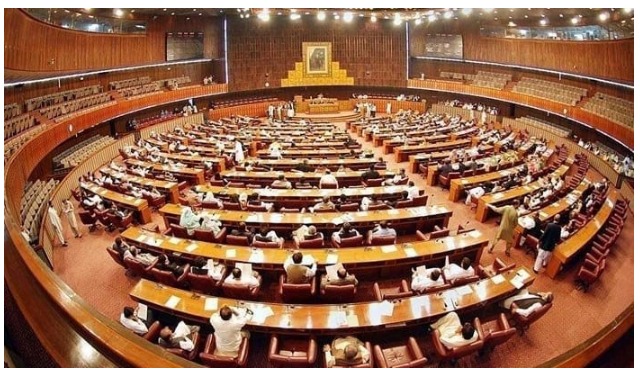
While the government emphasizes that these measures aim to balance economic growth with revenue collection, analysts warn that rising fuel, transport, and compliance costs may deepen inflation and reduce consumer purchasing power. The Finance Bill is currently being debated in Parliament and may undergo further changes before final approval.