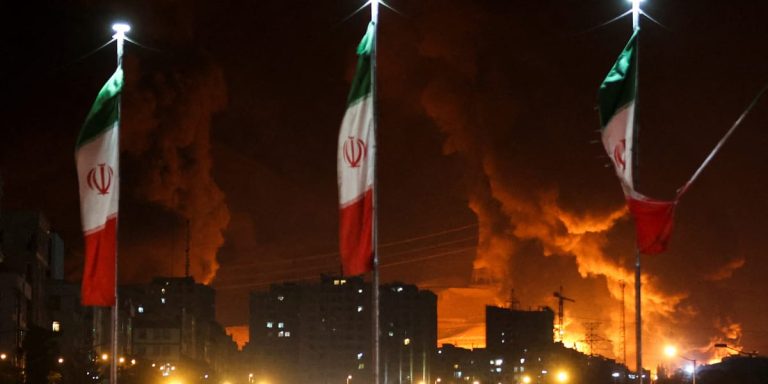
TEHRAN (Web Desk) Major Iranian cities witnessed renewed overnight protests as demonstrators defied an ongoing nationwide internet shutdown imposed by authorities. Activists warned that the blackout was being used to conceal a violent crackdown on the two-week-old protest movement, one of the most serious challenges faced by the Islamic Republic in recent years.
Read also:Iran announces monthly cash allowances amid nationwide protests over inflation

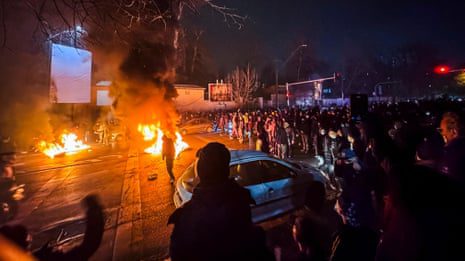
Despite restricted communications, fresh rallies were reported late Friday in Tehran and several other cities, including Mashhad, Tabriz, Qom and Hamedan. Verified videos showed residents chanting anti-government slogans, banging pots from rooftops, setting fires and waving pre-revolution Iranian flags, while motorists signalled support by honking horns.
Human rights organizations raised alarm over escalating violence by security forces. Amnesty International said it was reviewing troubling reports of intensified use of lethal force against protesters, leading to more deaths and injuries. Nobel Peace Prize laureate Shirin Ebadi warned that the authorities could be preparing a “massacre” under the cover of the communications blackout, citing reports of hundreds of eye injuries treated at a single Tehran hospital.
Norway-based Iran Human Rights claimed at least 51 people have been killed so far, while cautioning that the true toll may be significantly higher due to limited access to information.
Filmmakers Mohammad Rasoulof and Jafar Panahi condemned the government’s use of what they called the most blatant tools of repression, saying past experience shows internet shutdowns are designed to hide violence during protest suppression.
Reza Pahlavi, son of Iran’s ousted Shah, praised the scale of the demonstrations and urged protesters to move beyond street rallies toward seizing and holding city centres. He also said he was preparing to return to Iran, claiming the moment was approaching.
Iranian authorities, meanwhile, said members of the security forces had been killed. Supreme leader Ayatollah Ali Khamenei accused “vandals” and foreign powers, particularly the United States, of instigating the unrest. State media aired funerals of slain security personnel, while the military vowed to defend national interests against what it described as external attempts to destabilize the country.
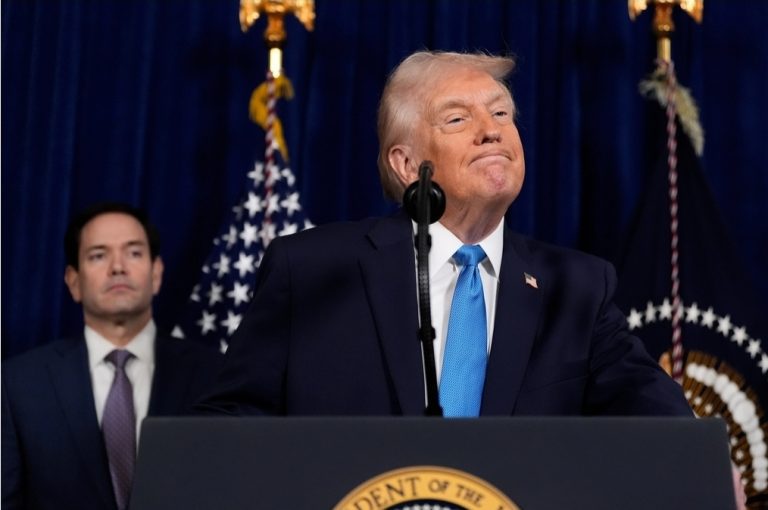
US President Donald Trump said Iran was facing serious trouble, suggesting protesters were gaining control of areas previously thought secure, while stopping short of ruling out further military action.
About the Author