By Our Correspondent
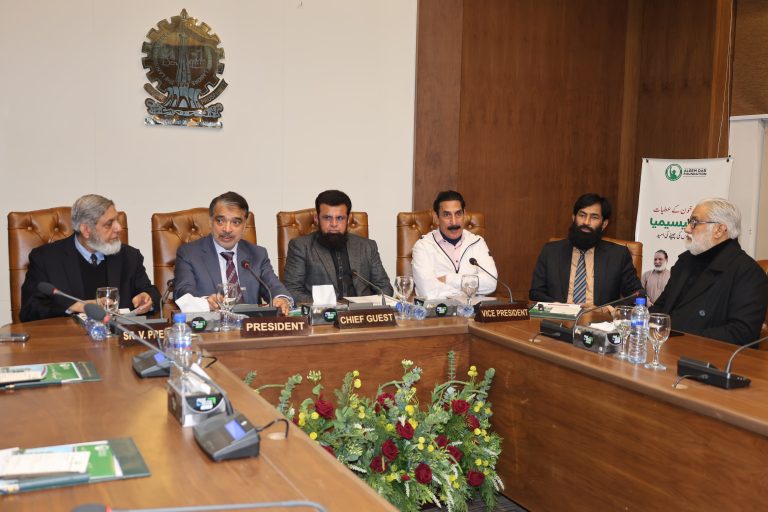
LAHORE, January 08 — The Lahore Chamber of Commerce and Industry Thursday organized the SME Finance and Banking Expo with the objective of providing small and medium enterprises (SMEs) direct access to banking facilities, financing schemes and financial products. The day-long expo witnessed participation from almost all major commercial banks, Islamic banks and financial institutions of the country.

Various banks set up stalls where a large number of LCCI members visited and obtained detailed information about SME-focused financing products, refinance schemes, credit facilities, Islamic finance models and digital banking solutions.
Read also: LCCI to host Mega SME Finance & Banking Expo on January 8 to empower small businesses
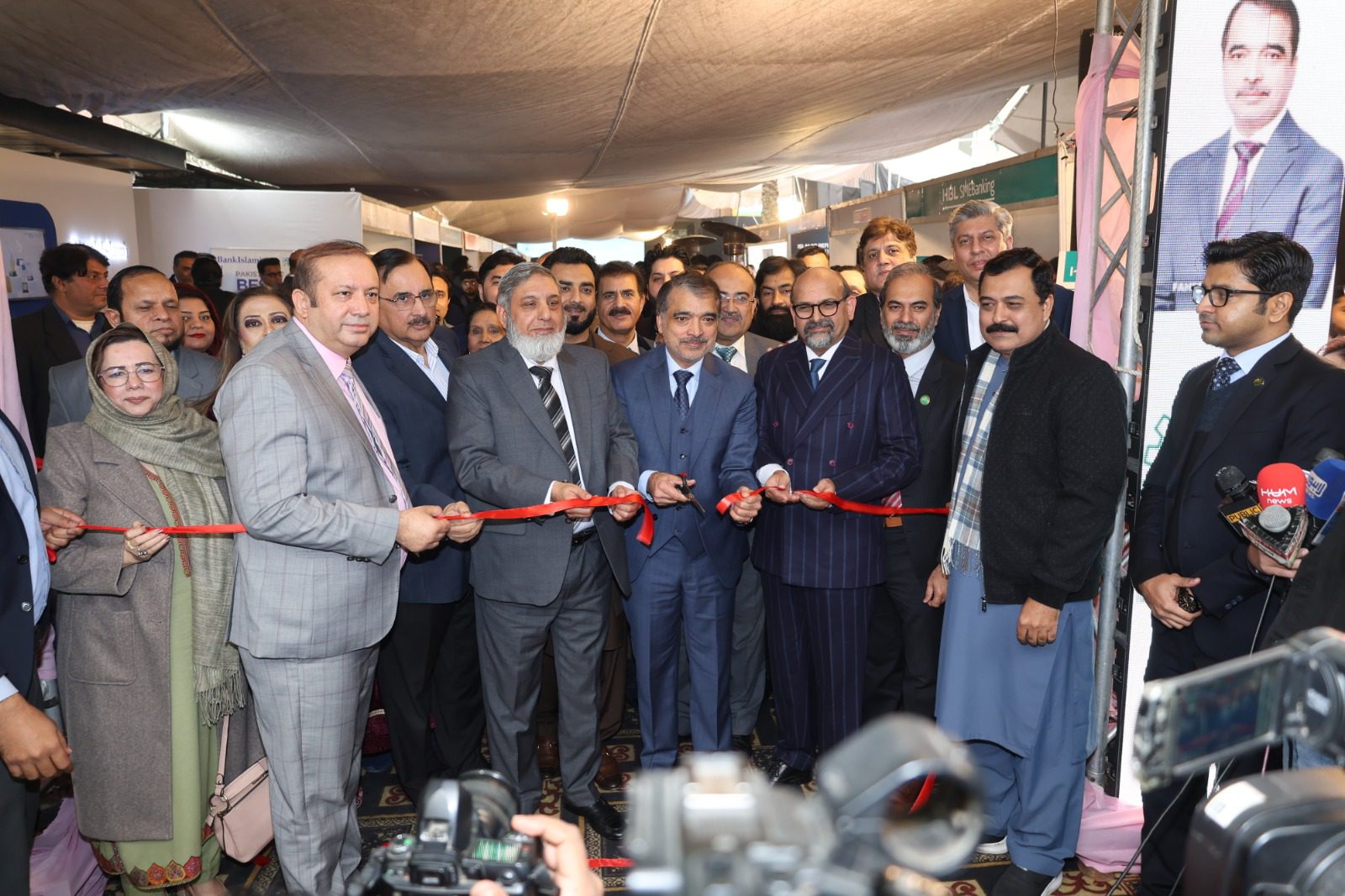
The expo was inaugurated jointly by LCCI President Faheem Ur Rehman Saigol, Executive Director State Bank of Pakistan Syed Basit Aly, Chief Manager State Bank Tariq Riaz, LCCI Senior Vice President Tanveer Ahmed Sheikh, Vice President Khurram Lodhi and SAARC Chamber Vice President Mian Anjum Nisar. Convener SME Banking Expo Syed Salman Ali, CEO EXIM Bank Shahbaz Syed, Members of the LCCI Executive Committee, senior bank officials, business leaders and women entrepreneurs were also present at the opening ceremony.
While addressing the ceremony, LCCI President Faheem Ur Rehman Saigol said that the Lahore Chamber represents more than 48,000 member companies and is the largest and premier chamber of Pakistan. He stated that if Pakistan wants sustainable economic growth and wishes to compete with regional countries, promoting the SME sector is the only effective path forward.
He explained that developed and emerging economies such as China, Vietnam, Bangladesh, Japan and Taiwan achieved economic growth through small and medium enterprises, whereas Pakistan has not yet fully moved in this direction.
The LCCI President said that the SME Finance and Banking Expo is a serious effort to bridge the gap between banks and businesses by providing direct awareness about financing products, loan schemes and banking services. He added that many good schemes exist, but due to lack of awareness, businesses are unable to benefit from them, which makes such forums extremely important.
Faheem Ur Rehman Saigol highlighted that private sector financing in Pakistan is very low compared to regional countries and currently stands at around 6.5 percent of GDP, which is alarming. He shared that the number of SME borrowers in the country is only about 295,000, which is extremely low considering the size of the economy. He further said that outstanding SME financing is around PKR 686 billion, far below the actual potential.
He noted that these figures clearly show huge untapped opportunities in SME financing. Stressing the role of Islamic banking, he said that if Islamic banks increase their share in SME financing fourfold, total financing could reach PKR 1,000 billion, creating strong positive effects on the economy.
He pointed out that strict collateral requirements are a major obstacle, as many small businesses have strong business potential and markets but lack acceptable guarantees. He urged the State Bank and banks to focus on cash flow, business potential and market value, and to expand collateral-free or low-collateral financing schemes.
The LCCI President also emphasized special support for women-owned businesses, stating that women form more than half of Pakistan’s population and have strong potential to contribute to the economy. However, they face serious difficulties in accessing bank financing. He called on banks to introduce special desks, simpler procedures and guidance-based financing programs for women entrepreneurs.
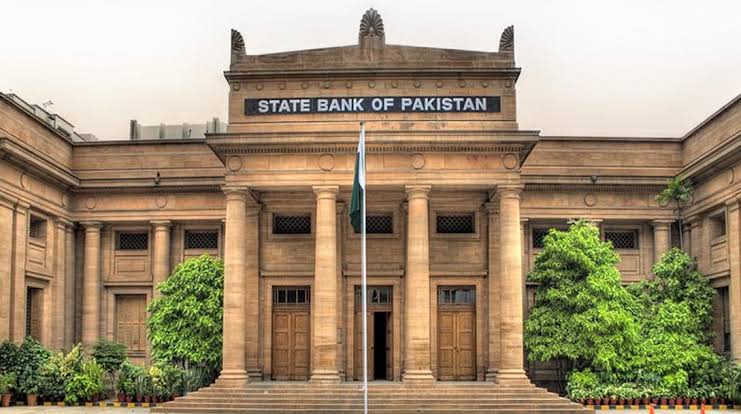
Executive Director State Bank of Pakistan Syed Basit Ali said that the SME sector is a top priority for both the government and the State Bank. He stated that the State Bank is working closely with banks to remove obstacles in SME financing and has introduced new, principle-based prudential regulations to facilitate banks in this area.
He explained that Pakistan’s banking system has traditionally been collateral-based with limited risk-taking, but the State Bank is working to gradually shift financing toward cash-flow and business-model based lending. He added that the State Bank is also developing viable products in collaboration with international financial institutions.
Praising the role of women entrepreneurs, Syed Basit Ali said that women’s inclusion is essential not only for economic growth but also for social development. He informed that under the “Banking on Equality” policy, targets for women’s inclusion have been successfully achieved, and work is now underway on “Banking on Equality Vision 2.0” with even higher goals.
Chief Manager State Bank Tariq Riaz congratulated the Lahore Chamber on organizing a successful and effective expo. He said that in the current environment, such positive forums play an important role in restoring business confidence. He stressed that improving the business environment is a shared responsibility so that the youth choose to build their future in Pakistan instead of leaving the country.
Tariq Riaz stated that SMEs are the real wealth of any country as they generate the most employment. He urged banks to revive personalized banking and advisory support for SMEs to help them with documentation and access to finance.
SAARC Chamber Vice President Mian Anjum Nisar said that trade is not possible without banking, yet in practice small businesses and women entrepreneurs are often left behind in fund distribution. He highlighted high interest rates, expensive energy, a complex tax system and barriers in digital payments as major challenges for industry. He called on the State Bank, as the regulator, to take concrete steps that provide real relief to the SME sector.
About the Author