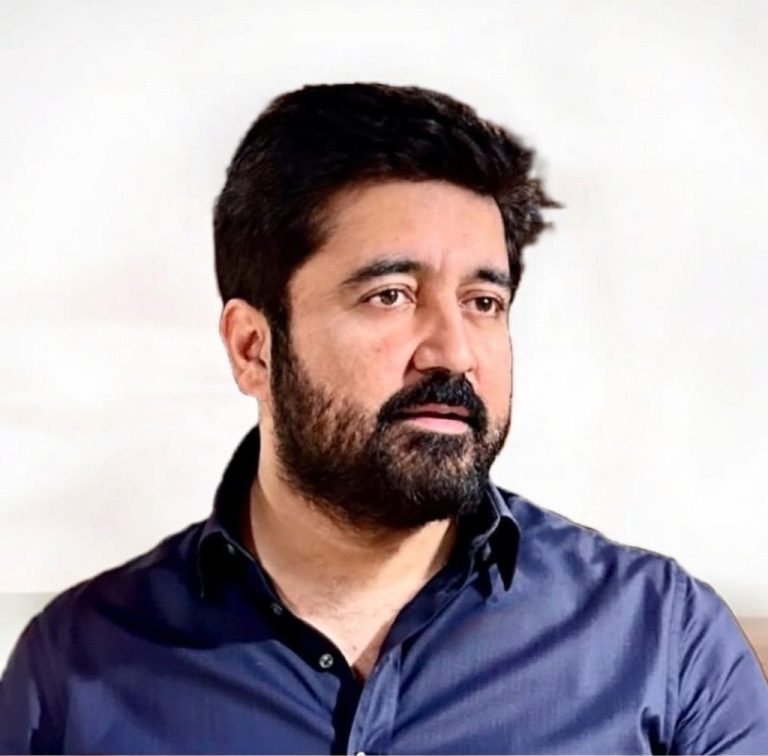
By Rana Farooq Ashraf
Pakistan today stands at a defining moment in its national journey—one shaped by resilience, strategic clarity, and renewed confidence. At the heart of this transformation is the leadership of Field Marshal Syed Asim Munir, whose command of the Pakistan Armed Forces has restored deterrence, strengthened national defense, and elevated Pakistan’s standing in the international arena. Complementing this military leadership is the unwavering political support of the Pakistan Peoples Party (PPP), which has consistently upheld the doctrine of strong institutions, national unity, and constitutional stability.
Read also: PPP forms divisional committees across Punjab to gear up for local body elections

In a region marked by volatility and shifting power dynamics, Pakistan’s response to external challenges under Field Marshal Asim Munir has been disciplined, calculated, and resolute. During heightened tensions with India, Pakistan demonstrated that it possesses both the capability and the will to defend its sovereignty. The response was neither reckless nor passive; it was a clear assertion of credible deterrence. This strategic posture sent a strong message regionally and globally: Pakistan desires peace, but it will not compromise on its security or dignity.
This period is widely viewed by the public as a strategic success. Across the country, particularly among the youth, there has been a visible resurgence of confidence in the armed forces. Overseas Pakistanis echoed this sentiment, expressing pride in how Pakistan defended its interests while maintaining responsible conduct. For many, the prevailing feeling was simple yet powerful: Pakistan is once again being viewed with respect on the world stage—Pakistan ko ab izzat ki nigah se dekha jata hai.
Beyond immediate defense preparedness, Field Marshal Asim Munir focused on strengthening the armed forces institutionally. Emphasis on operational readiness, inter-services coordination, intelligence integration, and modern warfare preparedness reinforced the professionalism of Pakistan’s military. Pakistan’s defense production capabilities also began attracting international attention, positioning the country not just as a security consumer, but as a contributor to regional stability.
A major milestone in this transformation has been the strengthening of Pakistan’s defense relations with Saudi Arabia. The longstanding brotherly relationship evolved into deeper strategic cooperation, encompassing defense coordination, intelligence sharing, and regional security planning. This partnership reaffirmed Pakistan’s role as a trusted security partner in the Muslim world and highlighted the confidence international allies place in Pakistan’s military leadership.
Collectively, these developments reshaped global perceptions of Pakistan. The country began to be seen not as a reactive state, but as a responsible and capable power in Asia. Pakistan’s strategic relevance increased, its diplomatic space expanded, and its voice carried greater weight in international discussions. This shift was not accidental; it was the result of coherent military leadership supported by political stability.
An essential pillar of this stability has been the Pakistan Peoples Party. True to its identity as the party of federation, PPP stood firmly with national institutions during this critical period. On 27 December, during the martyrdom anniversary of Shaheed Mohtarma Benazir Bhutto, President Asif Ali Zardari delivered a speech that resonated across the country. He openly acknowledged the leadership of Field Marshal Asim Munir and praised the armed forces for safeguarding Pakistan’s sovereignty. He emphasized that while Pakistan seeks peace, it will respond decisively to any threat against its territorial integrity.
President Zardari’s message reinforced PPP’s long-held belief that democracy and strong armed forces are complementary. By extending clear political support to the military, PPP strengthened civil-military harmony and demonstrated responsible leadership at a crucial time.
On the international front, Bilawal Bhutto Zardari played a significant role in defending Pakistan’s position. Through diplomatic engagements and international forums, he articulated Pakistan’s narrative with confidence and clarity. He defended the professionalism, restraint, and legitimacy of the Pakistan Army, countered hostile propaganda, and emphasized Pakistan’s commitment to peace backed by credible defense. His efforts helped promote Pakistan’s armed forces internationally and reinforced the image of a disciplined and responsible military.
The impact of this alignment between military leadership and political vision has been deeply felt among Pakistan’s youth and overseas community. Young Pakistanis increasingly speak with pride about their country’s direction, while overseas Pakistanis express renewed confidence when representing Pakistan abroad. This psychological shift—restoring belief in the nation’s strength and future—may well be the most enduring achievement of this period.
Leadership is ultimately judged by outcomes, not titles. For millions of Pakistanis, Field Marshal Asim Munir symbolizes leadership beyond rank—a reflection of discipline, faith, and national resolve. Supported by the Pakistan Peoples Party, defended diplomatically by Bilawal Bhutto Zardari, and embraced by the people, Pakistan today stands stronger, more confident, and more respected.
This is not merely the success of an individual or a political party. It is the story of a nation rediscovering its strength through unity of institutions, responsible politics, and professional armed forces. As Pakistan moves forward, one truth stands clear: when leadership is resolute and the people are united, Pakistan’s dignity remains unshakeable.
Pakistan Zindabad.
About the Author