By Nasim Ahmad
Introduction — A world in motion
The year 2025 unfolded like a mosaic of different emotions , cautious hope, fear, resilience, innovation, conflict, and compassion. From political transformations to economic challenges, climate alarms to space achievements, and humanitarian struggles to inspiring breakthroughs , 2025 reminded humanity that despite division and uncertainty, the world still moves forward with a quiet belief in better tomorrows.
Politics, leadership, transitions and public voice
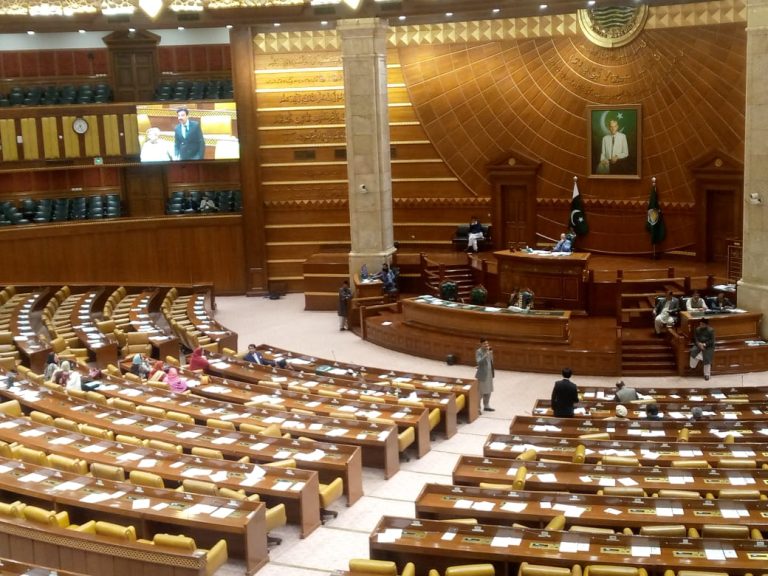
Across continents, political landscapes shifted in ways that reflected society’s frustrations and aspirations. Elections, protest movements, leadership changes, and peace negotiations shaped headlines.

Read also: A year of change, hope and global shifts across 2025
In Myanmar, people returned to the polls for the first major election since the 2021 coup, marking a fragile step toward returning democracy. In Morocco, youth-led protests symbolized a broader global trend, young people demanding jobs, representation, and social fairness.
Global leaders met at the NATO Summit in The Hague, where discussions centred on defence spending, global security and cooperation in a world that continues to feel the pressure of geopolitical rivalry. The Munich Security Conference again demonstrated that mistrust among nations remains strong, but the desire for dialogue survived.
Even where political storms continued , whether in Europe, the Middle East, Asia or Africa , one message echoed: people want governance that answers daily needs, not speeches. Politics in 2025 became, more than ever, a reflection of public hunger for dignity, economic support and peace.
Conflict and search for peace , a year of wounds and healing
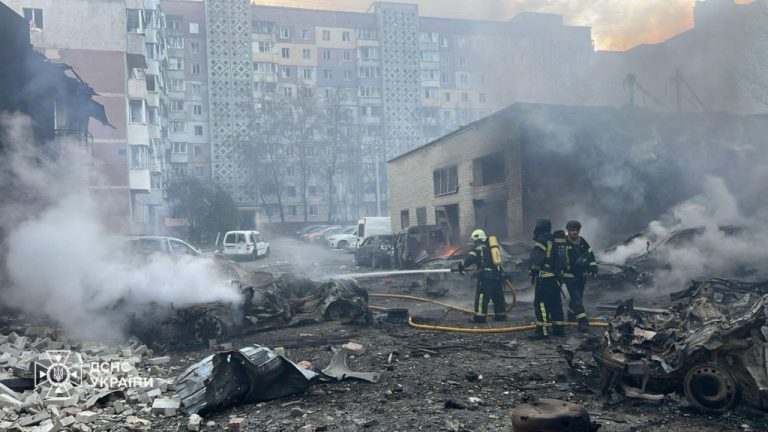
2025 was not free from conflict. Fighting, displacement and fear continued in several regions. But there were also rays of relief.
A U.S.-brokered ceasefire between Israel and Hamas slowed the violence in Gaza, offering space for humanitarian access and rebuilding efforts. Policy experts noted that even temporary peace gave families a chance to breathe after years of trauma.
Border tensions between India and Pakistan flared at moments, but diplomatic channels prevented escalation. Meanwhile, humanitarian organizations continued responding to crises, from refugee settlements to conflict-affected schools. Despite exhaustion, relief workers, volunteers and ordinary citizens showed extraordinary dedication, reminding the world that compassion is a power stronger than weapons.
Economy, inflation, imbalance, and the hopes of ordinary people
Economically, 2025 revealed a split screen: nations debating budgets and interest rates, while common people counted coins at grocery markets.
Inflation remained a stubborn global shadow. Food, fuel and utility costs fluctuated heavily, especially in low and middle-income countries. Governments responded with subsidies, grants or austerity measures, but many communities still felt squeezed. For a rickshaw driver, a farmer, a factory worker or a teacher, survival often meant sacrifice.
Yet, the world economy also showed pockets of optimism. Trade alliances between Global South nations strengthened, giving hope of a more balanced world economy. Investment in artificial intelligence, renewable energy and technology-driven industries opened new jobs, albeit slowly and unevenly.
2025 forced leaders to recognize that growth means little without human well-being, equity, and stability in the lives of ordinary households.
Climate and disasters, Earth’s cry for help
Few years have shown environmental fragility like 2025. Extreme weather struck multiple regions, wildfires in California displaced thousands, droughts shortened harvests in Africa, and floods destroyed infrastructure in Asia.
These events were not just disasters, they were alarm bells. Scientists repeated warnings that climate action cannot wait for tomorrow.
A landmark international climate treaty signed in Geneva set stronger emission-cutting targets. But activists insisted that commitments must translate into actions, renewable energy for poor communities, forests protected, and polluters held accountable.
Farmers across continents testified that climate change was no longer a scientific concept — it was their everyday fight to protect crops, livelihoods, and dignity.
Space and science, when humanity looks beyond borders
Amid earthly struggles, humanity continued to look upward, literally.
China reached record numbers of space launches, tested reusable rockets, and advanced preparations for lunar bases. Rescue missions in space and robotic landings offered inspiration, reminding the world that science thrives even under global strain.
Space achievements of 2025 symbolized something greater: innovation is a universal language. Whether from Asia, Europe, or North America, progress in space exploration felt like a collective victory of humankind.
Artificial intelligence and digital transformation also reshaped workplaces, education, and services. Children in remote areas joined online classrooms, hospitals used AI to diagnose illnesses, and small entrepreneurs expanded businesses through online tools. Yet, many communities without internet access still remained excluded, a reminder that technology must expand equality, not deepen divides.
Culture, identity and unexpected moments
Life in 2025 was not all politics and crisis, the world also paused for cultural reflection and shock.
One of the most astonishing stories was the daring heist at the Louvre Museum in Paris, where priceless Crown Jewels were stolen. It became a global conversation about security, heritage, and human fascination with mystery.
Sports offered welcome relief. The World Athletics Championships in Tokyo captured global attention, celebrating human ability and discipline. Families gathered around screens, cheering moments that briefly made the world feel united again.
People, the quiet heartbeat of 2025
Beyond headlines, statistics and power, the silent heroes of 2025 were ordinary human beings.
People who worked two jobs to pay school fees. Mothers who sacrificed meals so children could eat. Farmers who prayed for rain. Students who fought for a chance to study. Volunteers who stood beside strangers in disaster zones.
2025 proved that resilience is not loud, it is gentle, patient and unnoticed.
Closing reflection, stepping into 2026
As the world walks toward 2026, nations carry lessons from 2025:
- Peace must be built, not expected
- Economies must include the poor
- Environment must be protected before it collapses
- Technology must lift society, not divide it
- Leadership must listen, not just speak
The year ends not with triumph or despair, but with a soft, steady hope that humanity can still choose a better future, together.
About the Author