Dr Alamdar Hussain Malik
The recent bidding and partial privatisation of Pakistan International Airlines (PIA) marks a significant development in Pakistan’s economic reform agenda. After decades of mounting losses, operational inefficiencies, political interference, and repeated bailout packages, the government’s decision to offload a majority stake in the national flag carrier has been presented as a bold and unavoidable step toward fiscal discipline and efficiency. At a time when Pakistan is grappling with constrained public finances, rising debt servicing, and pressure from international lenders, the move is being justified as part of a broader effort to reduce the burden of loss-making state-owned enterprises. However, alongside optimism, the decision has also triggered serious debate and criticism across political, economic, and social circles.
Read also: Poverty and governance in Pakistan: A crisis of will, not resources

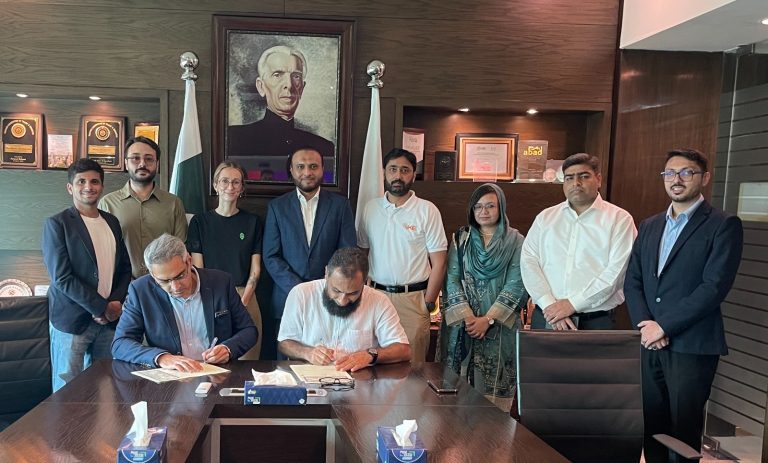
The government offered a 75 percent controlling stake in PIA through a competitive bidding process that attracted multiple bidders, an improvement over previous failed attempts that had raised doubts about investor confidence. Eventually, a consortium led by the Arif Habib Group emerged as the highest bidder, signaling renewed interest in the airline’s potential under private management. Officials argue that the new ownership structure will bring professional governance, capital injection, and commercial discipline, enabling PIA to modernize its fleet, rationalize routes, improve service quality, and compete more effectively in the regional aviation market.
Supporters of the bidding outcome maintain that PIA had become a chronic fiscal liability, absorbing substantial public funds year after year. These resources, they argue, could have been better utilized in critical sectors such as education, healthcare, infrastructure development, and poverty alleviation. From this perspective, privatisation is framed not as an ideological preference, but as an economic necessity, particularly in the context of IMF-backed structural reforms and commitments to limit the state’s direct involvement in commercial activities.
Despite these arguments, the bidding of PIA has attracted strong criticism. One of the most common objections is the sale of a national asset. Critics argue that PIA is not merely a commercial airline but a symbol of national identity, strategic connectivity, and sovereign presence in international aviation. They contend that successive governments failed to reform governance structures, curb political appointments, and enforce accountability, and that privatisation reflects institutional failure rather than a carefully planned reform strategy.
Concerns have also been raised regarding valuation and transparency. Analysts question whether the airline’s true worth—including valuable landing rights, prime real estate, and brand equity—was fully reflected in the deal. The separation of historical debt and liabilities from the airline prior to bidding has further fueled criticism, as taxpayers continue to shoulder the cost of past mismanagement while private investors acquire a relatively cleaner balance sheet.
Labour unions and employees have expressed serious apprehensions as well. Although short-term job security has reportedly been assured, workers fear that downsizing, restructuring, and erosion of benefits may follow once private management consolidates control. Given Pakistan’s mixed experience with past privatisations, these concerns resonate strongly not only among employees but also within the broader public.
Political opposition parties have criticized the process for limited parliamentary debate and insufficient public consultation, arguing that decisions involving strategic national assets require broader consensus. Public discourse, particularly on social media, has echoed these concerns, with many questioning the actual fiscal gains of the deal and expressing skepticism about whether promised reforms will translate into tangible improvements.
Ultimately, the success or failure of this bidding exercise will not be judged merely by the auction price or transfer of ownership, but by tangible improvements in governance, service quality, financial sustainability, and public trust. The new management will be expected to modernize the fleet, restore international routes, comply with global aviation safety standards, and enhance customer experience in an increasingly competitive regional market. At the same time, the government must retain a strong regulatory role by ensuring transparency, preventing monopolistic practices, and safeguarding national and consumer interests.
Equally important will be the treatment of PIA’s workforce, whose experience and technical expertise remain central to any turnaround effort. Without protecting employees’ rights, ensuring accountability, and aligning commercial objectives with broader national priorities, the privatisation risks reinforcing public skepticism rather than restoring confidence. Therefore, the bidding of PIA should be viewed not as an endpoint, but as a critical test case for Pakistan’s broader economic reform agenda, where long-term success will depend on effective implementation, institutional integrity, and sustained political commitment rather than short-term fiscal relief or symbolic announcements.
About the Author