Need to establish facilitation centers in Pakistan to benefit from US outsourcing opportunities
By Commerce Reporter

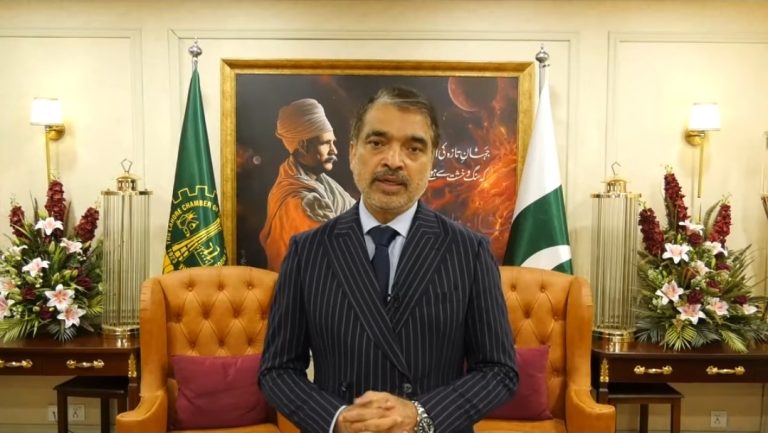
LAHORE, December 22 — President of the Lahore Chamber of Commerce and Industry (LCCI), Faheem ur Rehman Saigol, has said that Pakistan’s exports to the United States can be increased from the current level of around $6 billion to $10 billion by effectively utilising the US tariff structure and diversifying export sectors.
Read also: LCCI president hails PM’s halal export strategy, sees halal sector as major driver of export growth
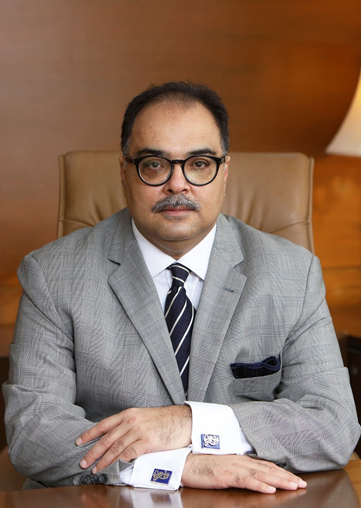
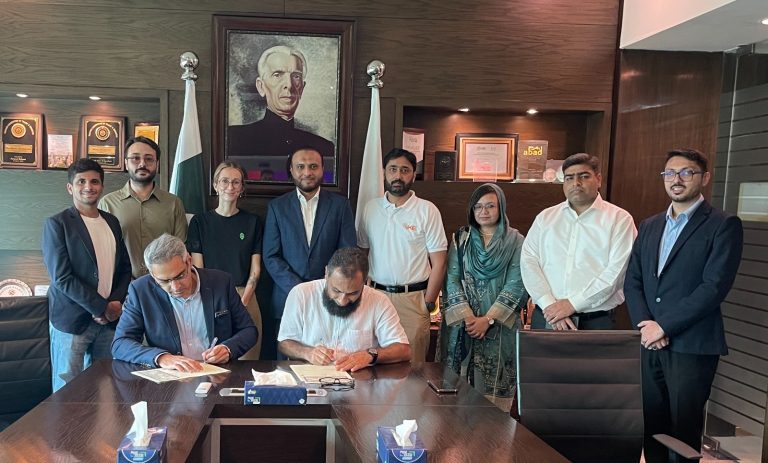
He expressed these views during a meeting with a high-level delegation of the Pakistan American Chicagoland Chamber of Commerce, which visited the LCCI on Monday. The delegation was led by its president, Naveed Anwar. LCCI Vice President Khurram Lodhi was also present.
Members of the LCCI Executive Committee, including Firdous Nisar, Karamat Ali Awan and Sheikh Fayyaz, along with former executive committee members Muhammad Nawaz and Sheikh Sajjad Afzal, attended the meeting. Other delegation members included Dr Sameer Shafii and Rana Khurram Ali.
Speaking on the occasion, Faheem ur Rehman Saigol said the United States remains Pakistan’s largest export destination, but exports are still largely confined to traditional sectors, particularly garments. He stressed the need to move beyond the five traditional export sectors and focus on new areas such as information technology, minerals, agriculture and other emerging sectors, which are also being prioritised by the government and the Special Investment Facilitation Council (SIFC).
He highlighted the vital role of the Pakistani diaspora in the United States and said Pakistan must fully benefit from their business networks, experience and market access. He also emphasised strengthening coordination with joint chambers of commerce to enhance bilateral trade and investment.
The LCCI president said exporting skilled human resources offers immense potential, which can help increase both exports and remittances. He noted that remittances have risen significantly this year and are expected to reach $42 billion by the end of the year. He called for a comprehensive strategy to promote the export of skilled labour to further boost foreign exchange inflows.
Addressing the meeting, Pakistan American Chicagoland Chamber of Commerce President Naveed Anwar said Pakistani businessmen in the United States are deeply committed to contributing to Pakistan’s economic stability. He said discussions with US Senate representatives revealed strong potential for Pakistan’s pharmaceutical industry in the US market.
However, he regretted that currently no Pakistani pharmaceutical company is fully FDA-compliant, which has limited the sector’s growth. He said regulatory complications and quality control issues remain major challenges. He added that recent tariffs imposed on India’s pharmaceutical industry have created new opportunities for Pakistan, but meeting international quality standards is essential. He assured full support from the Chicago Chamber to Pakistani businesses.
Dr Sameer Shafii said strict US visa policies have created a shortage of human resources, compelling American companies to explore outsourcing options. He suggested establishing dedicated facilitation centers in Pakistan to attract US companies, terming it a high-potential area for growth.
He also pointed out that overseas Pakistanis face difficulties in repatriating capital after investing in Pakistan, which has discouraged foreign investment. Regulatory bottlenecks and lack of ease of doing business were identified as major hurdles.
Reaffirming LCCI’s commitment, Faheem ur Rehman Saigol said the chamber, overseas Pakistani business community and relevant institutions would work jointly to address these challenges and continue coordinated efforts to enhance exports, investment and overall economic growth.
About the Author