By Commerce Reporter
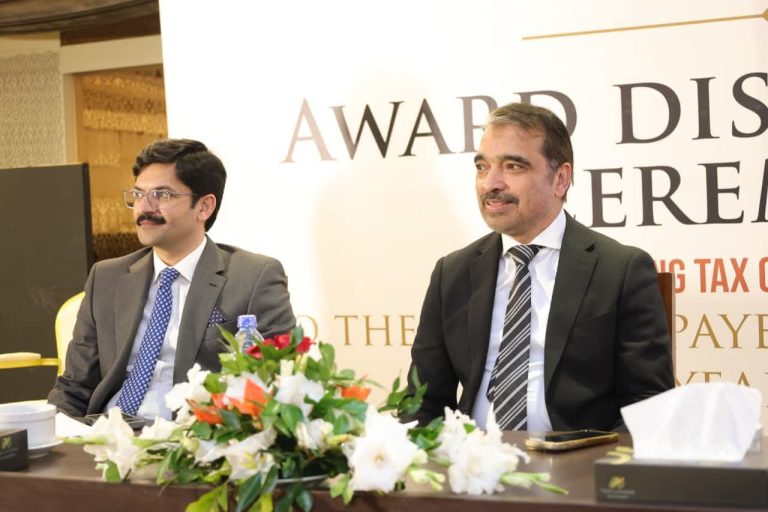
LAHORE, December 18 – The Lahore Chamber of Commerce and Industry (LCCI) hosted the launch ceremony of the Annual Report of the Shahid Javed Burki Institute of Public Policy (BIPP), titled “The State of the Economy: Climate Change – Mediating Chaos and Crisis,”. The event brought together prominent economists, academics, policymakers, environmental experts, members of the business community, and civil society to deliberate on the growing economic, social, and governance challenges posed by climate change in Pakistan.

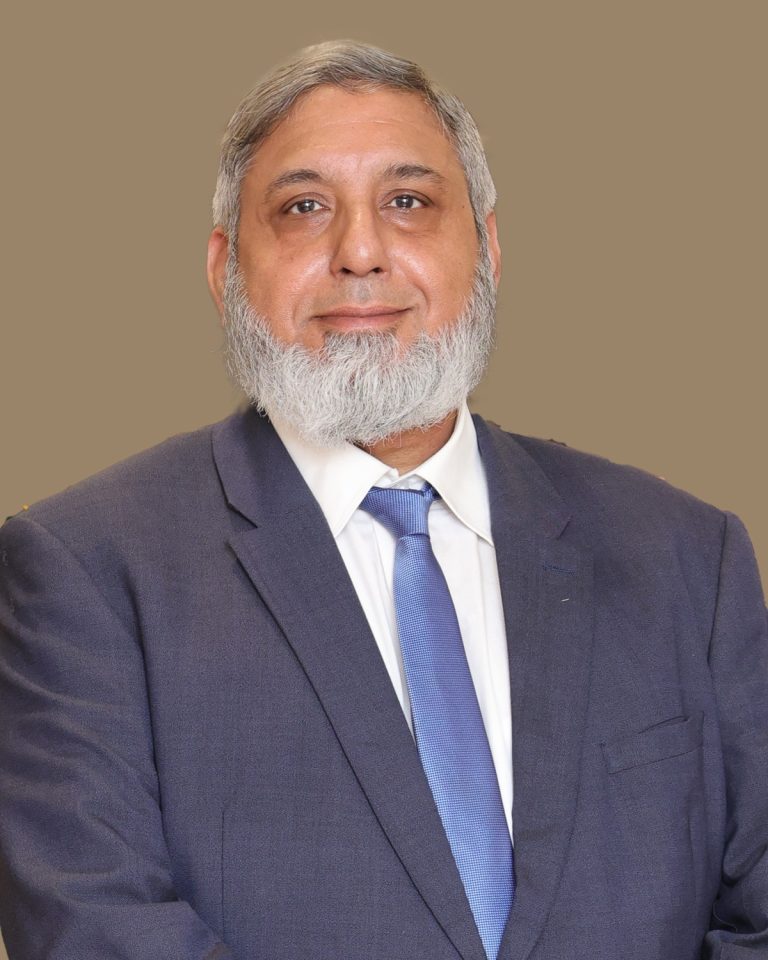
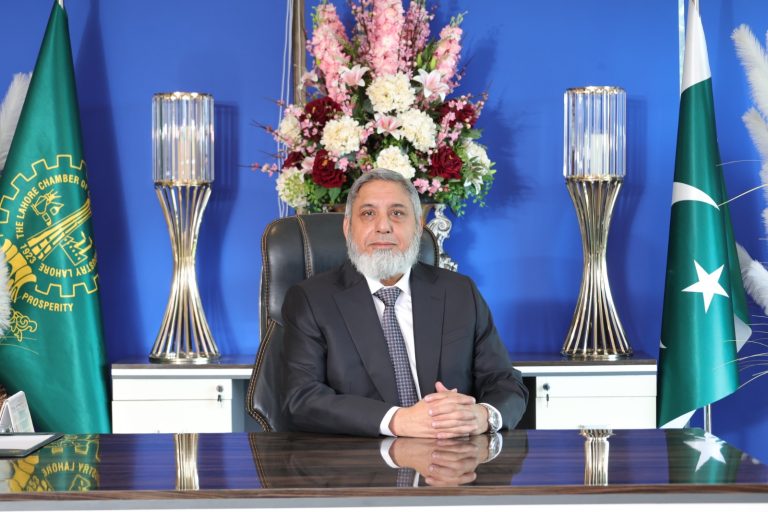
Speaking on the occasion, LCCI President Faheem ur Rehman Saigol, said that climate change has become one of the most serious and immediate challenges facing Pakistan. He pointed out that although Pakistan contributes less than one percent to global greenhouse gas emissions, it is among the ten most climate-vulnerable countries in the world. He noted that recurring floods in recent years have caused massive damage to agriculture, infrastructure, and livelihoods, placing an enormous burden on the national economy. Citing World Bank estimates, he said the 2022 floods alone resulted in losses of around USD 30 billion and led to a significant decline in GDP. He stressed the need for proactive planning, investment in water reservoirs and dams, climate-resilient infrastructure, and strong public-private sector collaboration, warning that reactive measures taken after disasters strike are neither sustainable nor sufficient.
Shahid Hussain, Rector, Lahore University of Management Sciences (LUMS), attended the ceremony as the Chief Guest. Opening remarks were delivered by Shahid Najam, Vice Chairman, BIPP, while Mr. Shahid Javed Burki, Chairman, BIPP, presented an overview of the annual report. Dr. Farrukh Iqbal, former Executive Director, Institute of Business Administration (IBA), Karachi, gave an overview of the state of the economy, and Firas Shams, Research Fellow, BIPP, highlighted the key findings and policy recommendations of the report. The session also included remarks by Dr. Arifa Tahir, Chairperson, Environmental Sciences, Lahore College for Women University (LCWU), and Dr. Mohammad Nizamuddin, Chairman, KITAAS.
Earlier, Vice Chairman BIPP Shahid Najam said that climate change is no longer a distant or theoretical concern but a present and scientific reality that requires urgent national attention. He emphasized the importance of evidence-based policymaking and sustained dialogue between the public and private sectors to address climate risks effectively. Chairman BIPP Shahid Javed Burki observed that weak governance, poor enforcement of environmental laws, and lack of long-term planning have exacerbated Pakistan’s vulnerability to climate shocks, disproportionately affecting the poor and women.
In his address, Shahid Hussain underscored that climate change must be treated as a core economic and development issue. He highlighted the role of research institutions, universities, and the private sector in supporting informed, forward-looking, and sustainable policy decisions to help Pakistan adapt to a rapidly changing climate.
The event concluded with a vote of thanks by Dr. Ejaz Sandhu, Director Research and Coordination, BIPP, who acknowledged the contributions of speakers, participants, and the Lahore Chamber of Commerce and Industry for hosting the launch ceremony.
About the Author