By Commerce Reporter
LAHORE: The Lahore Chamber of Commerce & Industry (LCCI) has expressed serious concern over the worsening crisis in Pakistan’s textile sector, warning that continued policy delays and rising costs could severely damage the country’s exports and employment base.

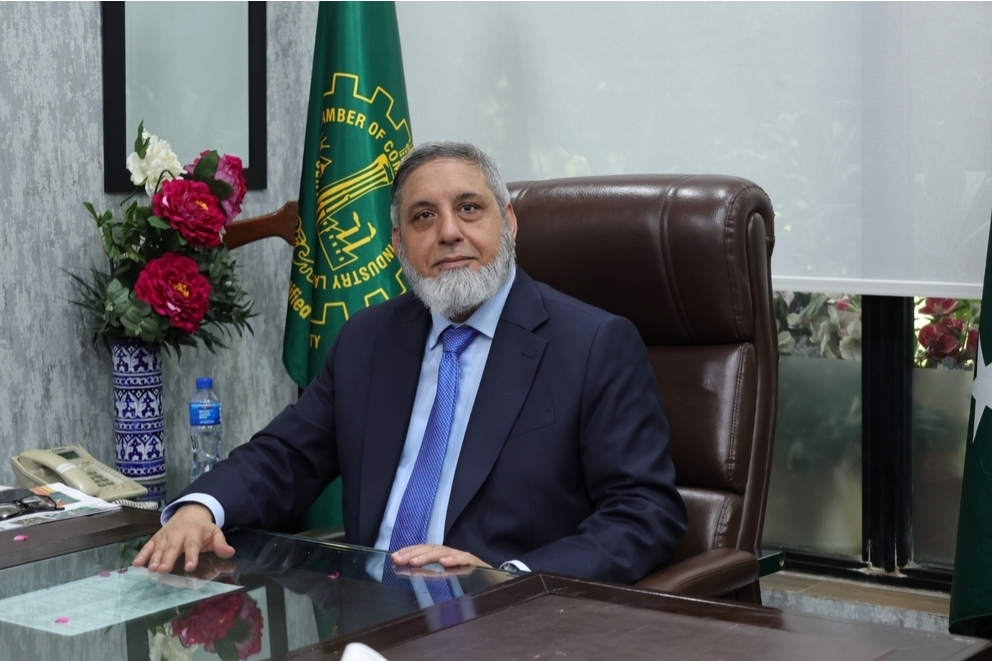
In a press release issued by the office of the Senior Vice President, LCCI said the textile industry, which forms the backbone of Pakistan’s export earnings and provides livelihoods to millions, is facing widespread mill shutdowns, escalating production costs, and intense pressure on exporters.
Read also: Tanveer Sheikh warns of widening trade deficit as exports drop, urges urgent policy action
“The issues raised by the industry are serious, factual, and demand immediate attention. At a time when global competition is intensifying, Pakistan cannot afford structural hindrances that undermine export growth,” the LCCI Senior Vice President said.
The chamber highlighted multiple challenges confronting textile exporters, including the imposition of a 2 percent advance tax on exports—double the rate applicable to domestic businesses—terming it an anti-export measure that has eroded competitiveness. LCCI also pointed to soaring electricity tariffs, which have exceeded 12 cents per kilowatt-hour, compared to 5 to 9 cents in competing regional economies.
LCCI further noted that errors in gas-based captive power levies, delays in correcting acknowledged miscalculations, postponement of electricity connections and load enhancements in industrial areas, and retrospective RLNG charges dating back nearly a decade have collectively intensified financial stress on textile units.
Additionally, the chamber criticized excessive compliance requirements, including costly surveillance systems in spinning and dyeing units, stating that such measures increase costs without effectively addressing core issues such as under-invoicing and import dumping.
The Lahore Chamber urged the federal government to form an urgent task force comprising representatives from APTMA, LCCI, and relevant ministries, rationalize energy tariffs in line with regional benchmarks, immediately rectify unjust gas levies, halt retrospective billing, and ensure timely provision of energy connections.
LCCI reiterated its commitment to supporting constructive dialogue between the government and industry, stressing that timely and practical interventions are essential to revive Pakistan’s textile exports and protect hundreds of thousands of jobs linked to the sector.
About the Author