
By The Tribune International Staff
Iron deficiency remains one of the most common nutritional problems worldwide, affecting energy levels, immunity, and overall health. While red meat is often promoted as the primary source of dietary iron, nutrition experts say several plant-based and seafood options provide even higher amounts of this essential mineral.
Read also: Health Coener
According to registered dietitian Jillian Kubala, RD, iron plays a critical role in oxygen transport in the blood and cellular metabolism. Adults who do not consume adequate iron may experience fatigue, weakness, headaches and impaired concentration.
Health experts highlight the following seven foods that contain more iron per serving than red meat, offering reliable alternatives for those reducing meat intake or following plant-forward diets.




1. Lentils
Cooked lentils are among the richest plant-based sources of iron. One cup provides approximately 6.6 mg of iron, exceeding the amount found in a similar serving of beef. Lentils are also high in fiber, protein and folate, making them a staple in heart-healthy diets.
2. Spinach
Cooked spinach contains about 6.4 mg of iron per cup. While its iron is non-heme (plant-based), absorption can be improved when consumed with vitamin C-rich foods such as tomatoes or citrus fruits.
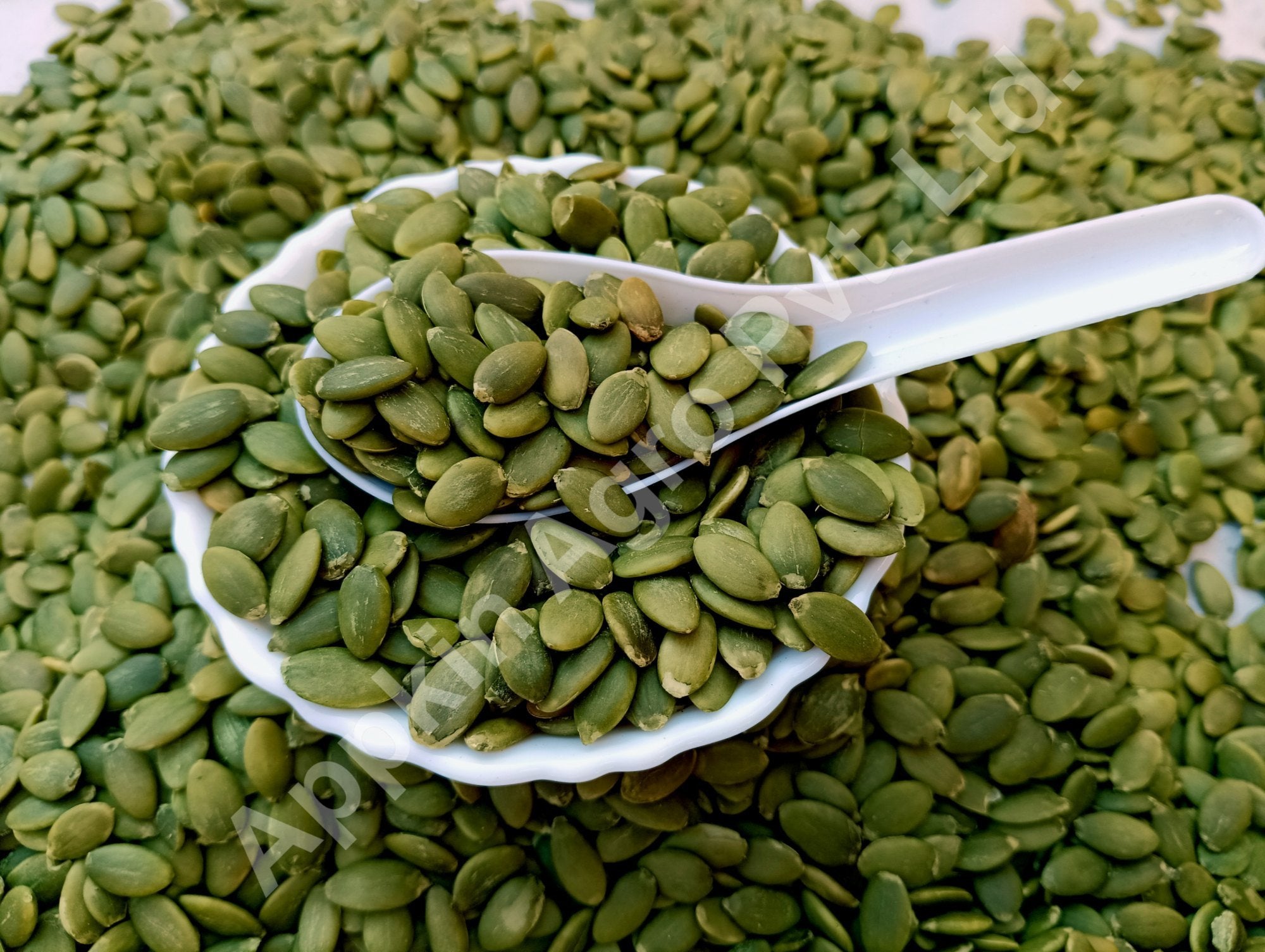
3. Pumpkin Seeds
Pumpkin seeds pack a nutritional punch, offering roughly 4.2 mg of iron per ounce. In addition to iron, they contain magnesium, zinc and healthy fats that support metabolic and immune health.
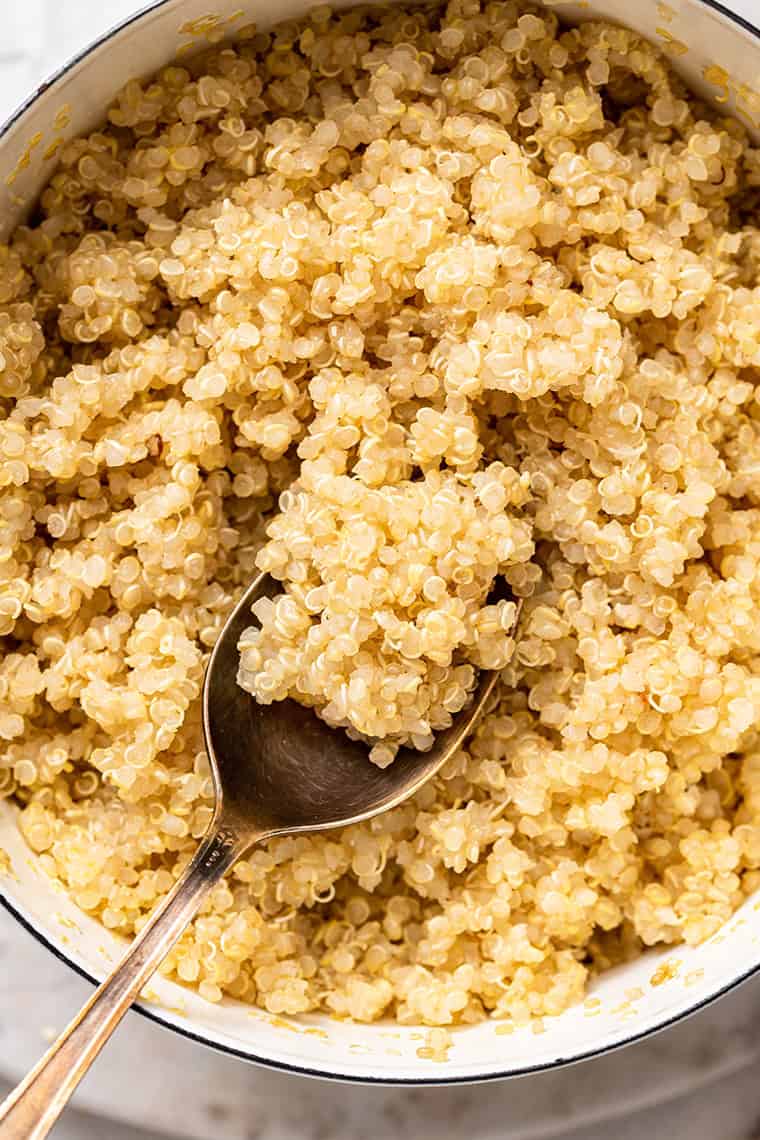
4. Quinoa
One cup of cooked quinoa provides about 2.8 mg of iron. Known as a complete protein, quinoa is also gluten-free and rich in antioxidants, making it popular among health-conscious consumers.
5. Tofu
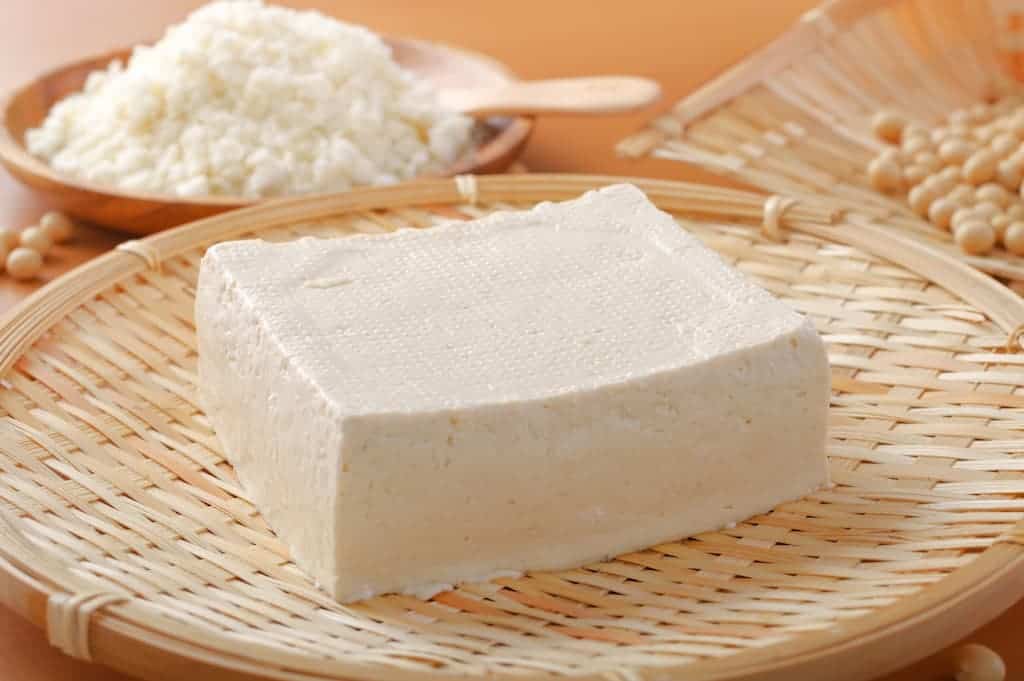
Firm tofu contains around 3.4 mg of iron per half-cup. As a soy-based protein, tofu is widely used as a meat substitute and contributes calcium and amino acids essential for muscle maintenance.
6. Dark Chocolate
Dark chocolate with a high cocoa content contains up to 3.3 mg of iron per ounce. Nutritionists recommend consuming it in moderation due to its calorie content, but note its additional antioxidant benefits.
7. Oysters
Among seafood options, oysters stand out as an exceptional source of iron, offering up to 8 mg per three-ounce serving. They also provide vitamin B12 and zinc, supporting nervous system and immune function.
Nutritionists emphasize that while red meat contains highly absorbable heme iron, a balanced diet incorporating plant and seafood sources can adequately meet daily iron requirements. Pairing iron-rich foods with vitamin C and limiting tea or coffee intake during meals can further enhance absorption.
Health experts advise individuals with symptoms of iron deficiency to seek medical guidance before taking supplements, as excessive iron intake can also pose health risks.