Pakistan’s livestock and dairy sector is one of the country’s most valuable economic assets, contributing approximately 23.5% of agricultural output and providing employment to over 37% of the rural population. This sector is vital for national food security, rural income, livelihoods, and foreign exchange earnings. Pakistan is home to over 225 million animals, including cows, buffaloes, goats, sheep, and other livestock, producing an annual milk output of 72.34 million tons.
Despite its size, the sector suffers from low productivity, poor breeding practices, high disease prevalence, inadequate feed and veterinary services, minimal value addition, and failure to meet international export standards. These crises result from the gross failures of federal and provincial governments, administrative negligence, and the absence of an effective legal framework. Without clear, enforceable laws, no initiative can sustainably improve production, enhance value addition, control diseases, or meet export standards. Immediate and comprehensive restructuring of livestock and dairy departments is essential to clarify responsibilities, strengthen oversight, and enforce legal frameworks.

Additionally, Pakistan’s DVM degree curriculum urgently requires updating. The current syllabus is decades old and does not align with modern veterinary sciences, biotechnology, disease control, value addition, dairy processing, food safety, or international export standards. This outdated curriculum leaves veterinary graduates unable to implement modern practices or meet international standards. The educational gap limits sector productivity and quality while also compromising value addition, exports, and global competitiveness.
Before 1947, livestock production in the region was largely informal and unorganized. British colonial policies focused on revenue and military needs rather than livestock development. Only limited disease regulations existed; there were no frameworks for breeding, feed, dairy standards, veterinary drugs, processing, or exports. Veterinary services were largely restricted to urban centers and cantonments, leaving rural farmers with little access to quality care. Breeding was unregulated, artificial insemination was absent, and milk production was unmonitored. Disease management focused primarily on military animals, while feed, drugs, and veterinary products were unregulated. The lack of laws and oversight left Pakistan with a fragile, disorganized livestock sector, almost incapable of value addition or export competitiveness.
After independence, the sector remained critical for rural livelihoods, yet federal and provincial institutions failed severely, ignored legal obligations, maintained ineffective departmental structures, and left curricula outdated, preventing sustainable development. No national livestock law was enacted; veterinary drugs and technology regulations were not enforced; disease control and breeding rules were absent; dairy and meat standards were unmonitored; and a strict export framework was never established. Weak institutional structures, unclear powers, insufficient resources, and outdated education worsened the situation.
Over the past decades, Pakistani veterinary and livestock institutions have largely failed in fulfilling their core responsibilities. Federal authorities have not implemented veterinary drug regulations, breeding laws, dairy and processing standards, or export regulations. Provincial livestock departments lack authority or resources for disease control, artificial insemination, feed safety, value chain improvement, or export facilitation. Regulatory bodies like the Pakistan Veterinary Medical Council (PVMC) have been limited to professional registration, without authority over drug quality, dairy safety, breeding, processing, or export standards. Consequently, small farmers face poor-quality drugs, inadequate feed, high disease prevalence, raw milk sales, minimal value addition, and failed exports.
Currently, Pakistan’s milk production totals 72.34 million tons, with 47.7 million buffaloes and 59.7 million cows, valued at PKR 5,804 billion. Yet, due to disease, poor breeding, low productivity, and inadequate dairy and meat processing, hundreds of billions of rupees are lost annually. Post-production spoilage, adulteration, and lack of cold chain result in 15–20% of milk being wasted, while 97% of milk is sold raw, exposing regulatory, legal, and processing gaps. The absence of laws and regulations severely undermines exports, resulting in foreign exchange losses and missed international market opportunities.
International experience is instructive. In New Zealand, the average dairy cow produces 414 kilograms of milk solids per year, achieved through strict breeding laws, veterinary regulation, feed quality standards, hygiene practices, and robust processing infrastructure. Developed countries continually improve per-animal productivity and convert raw milk into high-value products for domestic and export markets. In contrast, Pakistan relies on unregulated herds, producing low productivity, minimal value addition, and poor export outcomes.
Pakistan urgently requires comprehensive livestock laws, regulatory authorities for veterinary drugs, mandatory disease control rules, breeding and genetic improvement regulations, strict dairy, processing and export standards, updated DVM curricula, and clear accountability frameworks for federal and provincial institutions. Immediate restructuring of livestock departments and modernization of curricula are essential, and all these measures demand direct intervention and oversight from the Prime Minister’s Office. Without these actions, Pakistan will continue to lose billions of rupees, rural livelihoods will suffer, and exports will remain stagnant.
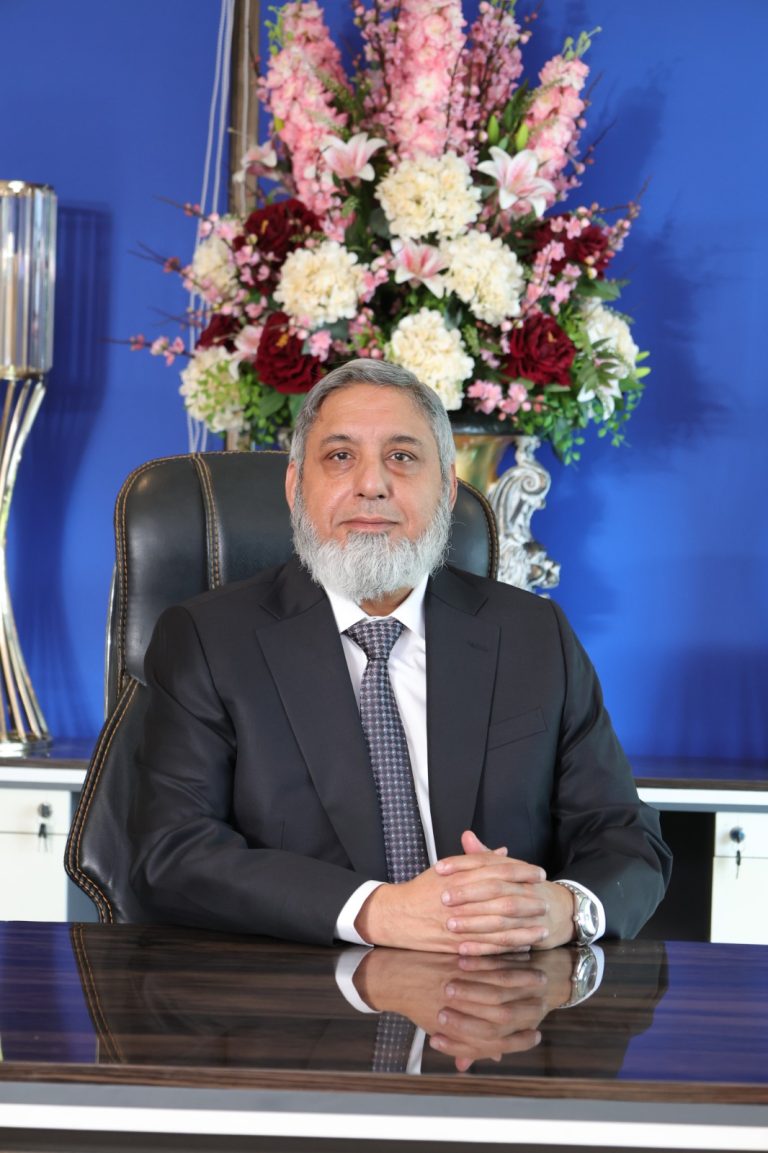
About the Author