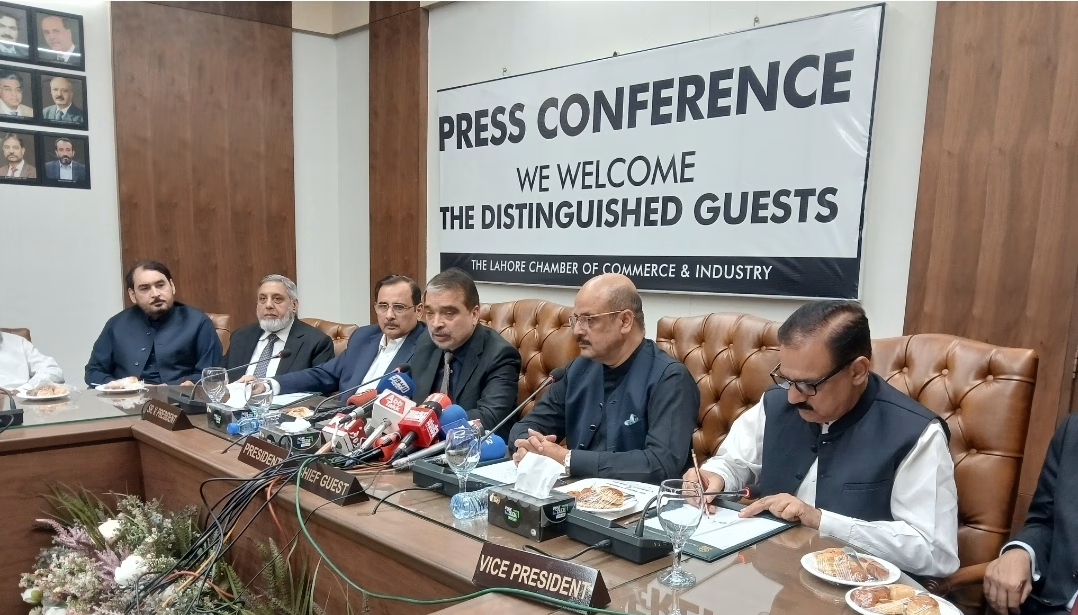
LAHORE, October 21, 2025 — Lahore Chamber of Commerce and Industry (LCCI) President Faheem-ur-Rehman Saigal has warned that Pakistan may face a severe food crisis if immediate action is not taken to address the delay in wheat sowing caused by recent government restrictions.
Read also: All Pakistan Anjuman-e-Tajran delegation congratulates newly elected LCCI office-bearers

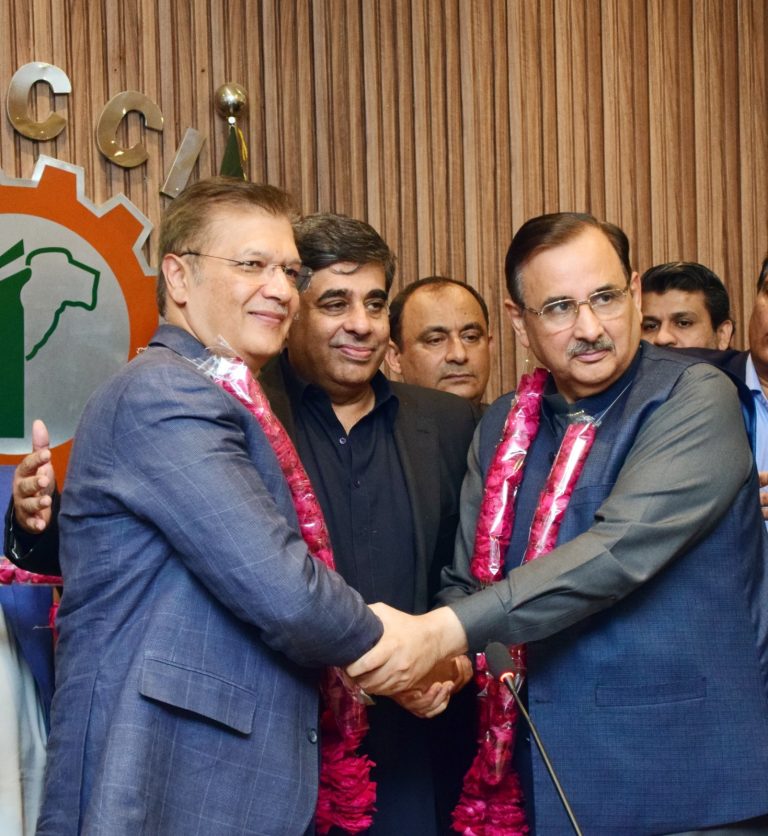
LCCI SVP Tanveer Sheikh, VP Khuram Lodhi and others were also present Addressing a press conference at the LCCI on Monday, Saigal said the agricultural sector, already battered by post-flood challenges, is now struggling due to a government-imposed ban on inter-provincial movement of wheat seeds. “Farmers are already two weeks behind schedule. If wheat sowing is further delayed, the country could face a major food security crisis,” he cautioned.
He urged the government to “wake up to the situation” and immediately lift the restrictions, emphasizing that timely sowing is crucial for ensuring adequate yield and national food supply.
Chairman of the Seed Association of Pakistan, Rana Salman Ahmed, also strongly criticized the government’s agricultural policies, claiming they have pushed the sector’s growth from six percent into the negative zone. “After snatching wheat from the people, the government is now trying to take away the seeds,” he said, accusing authorities of creating crises in every sector.
Ahmed further alleged widespread corruption in the enforcement of the seed transport ban. “Millions of rupees in bribes are being collected daily at inter-provincial check posts to allow the movement of wheat. If I’m sitting here today, it’s because I refused to pay bribes,” he said.
He added that the ban falls under federal jurisdiction, not provincial, and called for making agriculture “borderless” to safeguard national food security. “If wheat sowing is delayed even by one day, yield can drop by 20 kilograms to one maund per acre,” Ahmed warned.
Both business and agricultural leaders appealed to the government to take urgent corrective measures before the country’s food supply chain suffers irreparable damage.
About the Author