Calls for sector-specific safeguards and fiscal transparency
By Commerce Reporter

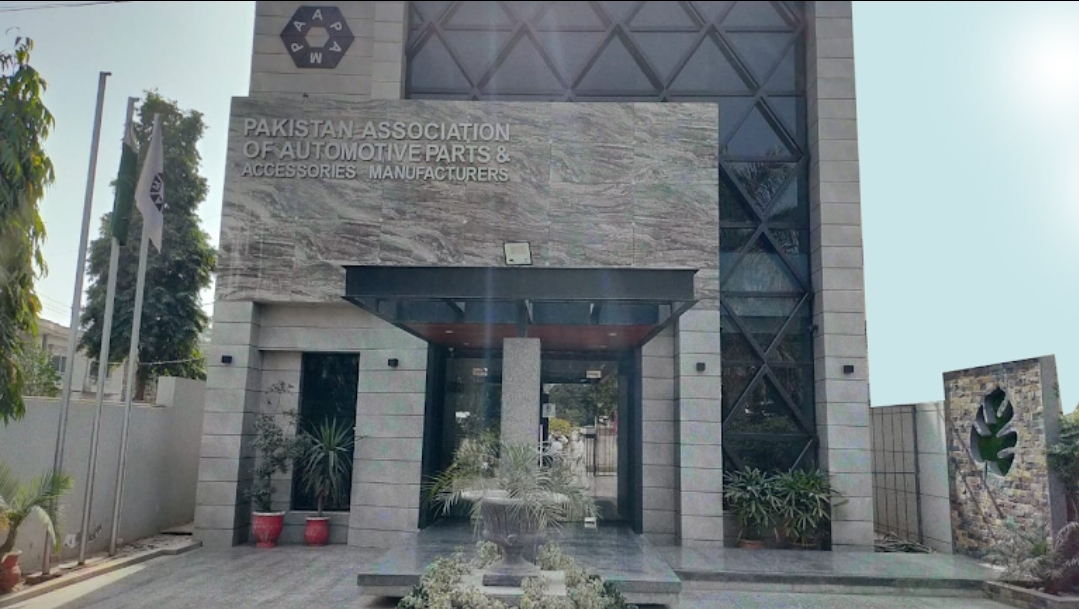
LAHORE — The Pakistan Association of Automotive Parts & Accessories Manufacturers (PAAPAM) has expressed strong concerns over the IMF’s recent push for trade liberalisation, particularly proposals to reduce tariff protections and allow commercial imports of used vehicles.
Read also: Pakistan Auto Show kicks-off at Expo Center
While supporting Pakistan’s goals of economic efficiency and environmental sustainability, PAAPAM cautioned that these measures could undermine the domestic auto industry, threaten jobs, and erode investor confidence.
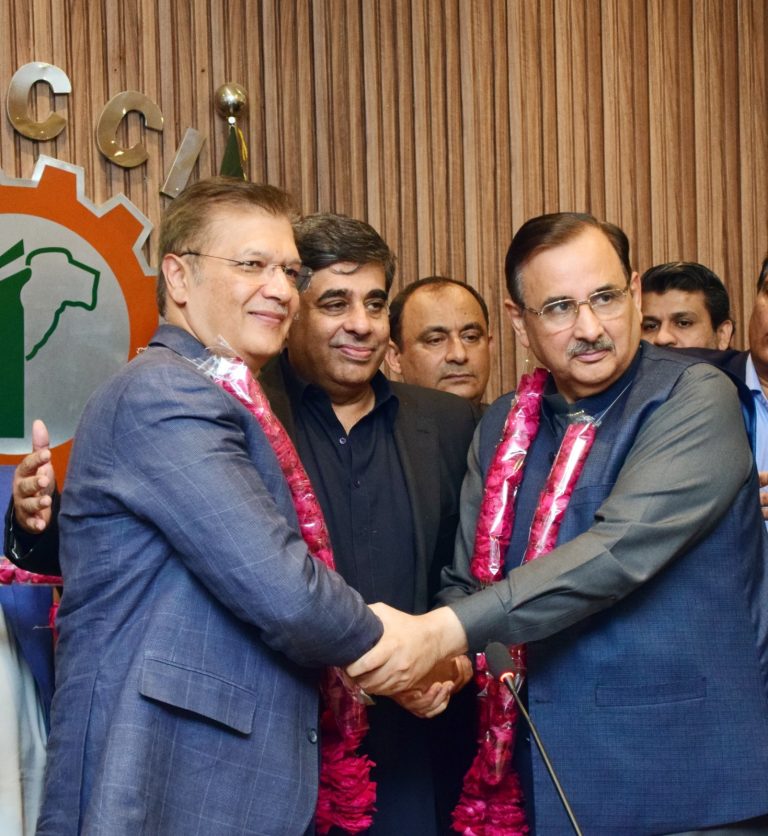
“Trade liberalisation must not come at the cost of deindustrialisation and fiscal leakage,” said Mr. Usman Aslam Malik, Chairman PAAPAM.
The association warned that large-scale imports of used vehicles—often failing modern safety and emissions standards—could derail Pakistan’s efforts to localize new energy vehicle (NEV) production. PAAPAM called for clarity on how such imports align with national sustainability and industrial goals.
It also questioned whether liberalisation applies broadly across sectors or selectively targets automotive. If limited to vehicles, PAAPAM urged policymakers to explain the rationale and outline safeguards against market distortions.
PAAPAM flagged vulnerabilities in current import schemes, where vehicles brought in under overseas Pakistanis’ names are sold domestically, bypassing tax and regulatory oversight. Informal payment channels like hundi facilitate capital flight and compromise fiscal transparency.
“We cannot afford to expand mechanisms that enable tax evasion,” said Mr. Shehryar Qadir, Senior Vice Chairman PAAPAM.
The association stressed that reduced tariff revenues and pressure on local manufacturers could lead to significant job losses. It called for workforce reskilling, incentives for domestic production, and alternative revenue strategies to preserve sectoral stability.
Citing global examples, PAAPAM urged a phased reform approach backed by safeguards, performance metrics, and case studies from comparable economies. Abrupt liberalisation, it warned, has destabilised emerging industries in the past.
“We remain committed to constructive dialogue,” Mr. Malik concluded. “But reforms must reflect Pakistan’s realities—not compromise its industrial future.”
About the Author