
By Our Sports Analyst
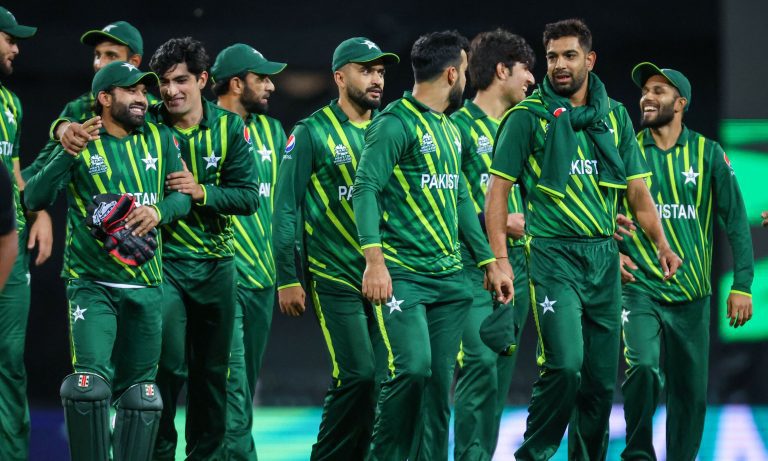
Pakistan cricket has a glorious history — from producing world-class bowlers like Wasim Akram and Waqar Younis to unforgettable batting icons like Inzamam-ul-Haq and Mohammad Yousuf. Yet, over the past decade, the national team has struggled to consistently win against major cricketing nations such as India, Australia, England, and South Africa. The recent Asia Cup defeat has once again raised serious questions about Pakistan’s cricketing decline.
Read also: India secure six-wicket victory over Pakistan in Asia Cup clash
1. Batting Fragility
The most glaring weakness is the batting lineup. Pakistan has failed to produce reliable middle-order batsmen since the retirement of Younis Khan and Misbah-ul-Haq. While Babar Azam provides class, he often stands alone, with little support around him. Collapse under pressure has become a trademark problem.
2. Over-reliance on Pace Bowlers
Pakistan’s pace factory has been a source of pride, but over-reliance on fast bowlers without developing quality spinners has hurt the team in conditions where pace has little advantage. In contrast, India developed world-class spinners alongside batting depth, giving them a balance Pakistan currently lacks.
3. Inconsistent Domestic Structure
Domestic cricket reforms remain half-baked. Frequent changes in formats, regional vs. departmental debates, and lack of investment in infrastructure have weakened the pipeline of future talent. Players arrive at international level underprepared for high-pressure matches.
4. Fitness & Professionalism Issues
Modern cricket demands peak fitness. Pakistani players still face criticism for poor fielding standards and inconsistent fitness levels, which directly cost crucial runs and wickets in crunch situations. Teams like Australia and England have raised the bar in professionalism, but Pakistan lags behind.
5. Mental Toughness & Match Pressure
Pakistan often fails in high-stakes games, especially against India. Nerves and mental fragility overshadow raw talent. The absence of sports psychologists and long-term mental conditioning programs leaves players exposed in big-match situations.
6. Management Instability
Frequent changes in captains, selectors, and coaches have created uncertainty. A lack of long-term planning means strategies keep shifting. Without continuity, players fail to settle into defined roles.
7. Lack of Modern Data-Driven Approach
World-class teams now rely on analytics, data tracking, and match simulations to prepare strategies. Pakistan’s cricket culture still heavily relies on instinct and raw talent, which is no longer enough in today’s game.
Conclusion
Pakistan cricket’s decline against major nations is not just about talent — it is a mix of structural weaknesses, poor planning, and failure to adapt to modern cricketing demands. Unless Pakistan reforms its domestic structure, invests in coaching and analytics, and prioritizes mental and physical fitness, defeats against top sides will continue.
Pakistan cricket has always had the raw talent. The real question is: when will the system match the potential of its players?
About the Author