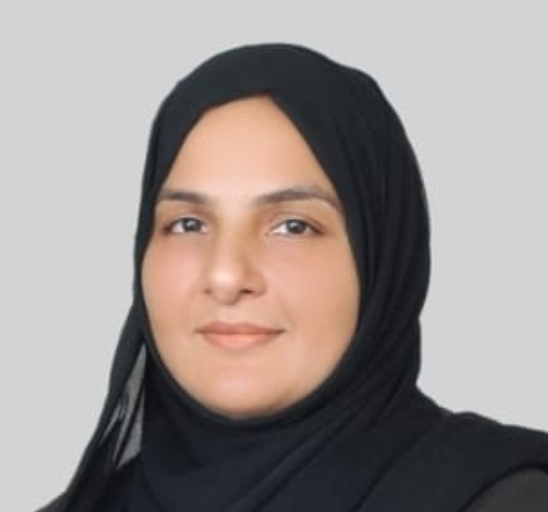
IQRA UMAR:
Advocate High Court (Information Sectary District Shiwal Pakistan People Party
In Pakistan’s evolving legal landscape, the number of female advocates is steadily increasing. Thousands of women have enrolled in various bar councils across the country, particularly in Punjab. Despite this promising shift, female lawyers continue to face systemic neglect not by law, but by the institutions responsible for implementing it.
The Punjab Bar Council and other regulatory authorities often boast of inclusivity and progressiveness, yet the ground realities reveal a different story. The challenges faced by female advocates, particularly those who are non-local or from underdeveloped areas, go unnoticed and unresolvedFemale Advocates in Numbers (2024 Estimates)

According to publicly available data and estimates from Bar Council sources:
Total Registered Advocates in Pakistan: Around 320,000+
Total Female Advocates (All Pakistan): Approx. 25,000 to 30,000 (Less than 10%)
Punjab Bar Council:
Total Advocates: Around 130,000
Female Advocates: Estimated 12,000 to 15,000
Lahore High Court Enrolled Female Advocates: Over 6,000 practicing, but far fewer in actual daily appearances due to barriers.
Although female enrollment is rising, only a small percentage actively practice in courts due to systemic, social, and facility-based challenges especially non-urban women.
Ignored Rights & Systemic Discrimination
1. Lack of Separate Chambers or Working Spaces
Many bar rooms are still male-dominated, with no dedicated space for female lawyers. In some courts, female advocates are forced to wait outside, use shared washrooms, or work from their vehicles.
2. Absence of Hostel Facilities for Non-Local Female Advocates
Dozens of female lawyers from small towns and villages move to big cities like Lahore or Rawalpindi to pursue law. Yet there is no official housing or hostel facility provided by the Bar Council or High Court Bar Associations.
3. Safety Concerns
Female lawyers working late are often vulnerable to harassment inside and outside court premises. No proper complaint cell, legal protection unit, or security mechanism exists for their specific needs.
4. Neglect in Representation
Despite their qualifications, very few women are appointed to Bar Council committees, policy boards, or are nominated as speakers in professional legal seminars. This exclusion from decision-making further silences their concerns.
5. Maternity Support & Work-Life Balance
There is no framework for maternity leave, childcare support, or flexible working for young mothers in the profession. Many women are forced to leave the practice due to zero institutional backing.
Residency Crisis: The Outsider Female Advocate’s Struggle
Non-local female advocates especially from southern Punjab, Hazara, Gilgit-Baltistan, and interior Sindh often come to cities like Lahore or Islamabad to practice. But:
No bar-sponsored hostels exist for them.
They face overpriced private hostels or live in unsafe, low-standard PGs.
Financial burdens and safety concerns cause many to leave practice or shift careers.
This absence of basic living facilities directly affects the female legal workforce, discouraging others from entering the profession.
Proposed Solutions: Way Forward for Bar Councils & Government
1. Establish Female Advocates’ Hostels
Punjab Bar Council and Lahore High Court Bar should collaborate with government departments to construct or reserve hostels near court premises.
At least one official hostel per division should be launched as a pilot.
2. Gender-Sensitive Bar Rooms & Chambers
Allocate separate bar rooms, rest areas, and chambers for female lawyers, especially in district courts.
Maintain hygiene and privacy in shared spaces.
3. Legal Protection Cells for Women Lawyers
Form a Women Advocate Protection Unit within Bar Councils for harassment complaints.
Provide legal aid and psychological support.
4. Mandatory Female Representation
Ensure reserved seats for women in bar elections, committees, and policy forums.
Promote women in leadership roles within Bar Councils.
5. Support for Mothers in Legal Practice
Introduce flexible appearance hours, support groups, and childcare partnerships for working mothers in law.
Conclusion:
Female advocates are not asking for special treatment they are demanding the basic facilities and rights already guaranteed under Pakistan’s Constitution and legal ethics. If Bar Councils and higher authorities continue to ignore these needs, we risk losing a large and valuable portion of our legal brainpower. The presence of over 25,000 qualified female lawyers in Pakistan is not just a statistic it is a force for justice, equality, and change. Ensuring hostel facilities, equal representation, and gender-sensitive reforms is not just a women’s issue it’s a justice issue, and one that must be addressed urgently.
About the Author