By Our Correspondent
LAHORE –: Secretary of the Price Control and Commodities Management Department Punjab, Dr. Ehsan Bhutta, emphasized the government’s strong commitment to fostering economic growth, stating that Pakistan’s economy is now heading in the right direction due to a more business-friendly environment.

Read also: Punjab govt launches Sahulat on Go Bazars’ to ensure controlled prices: Dr Ehsan Bhutta
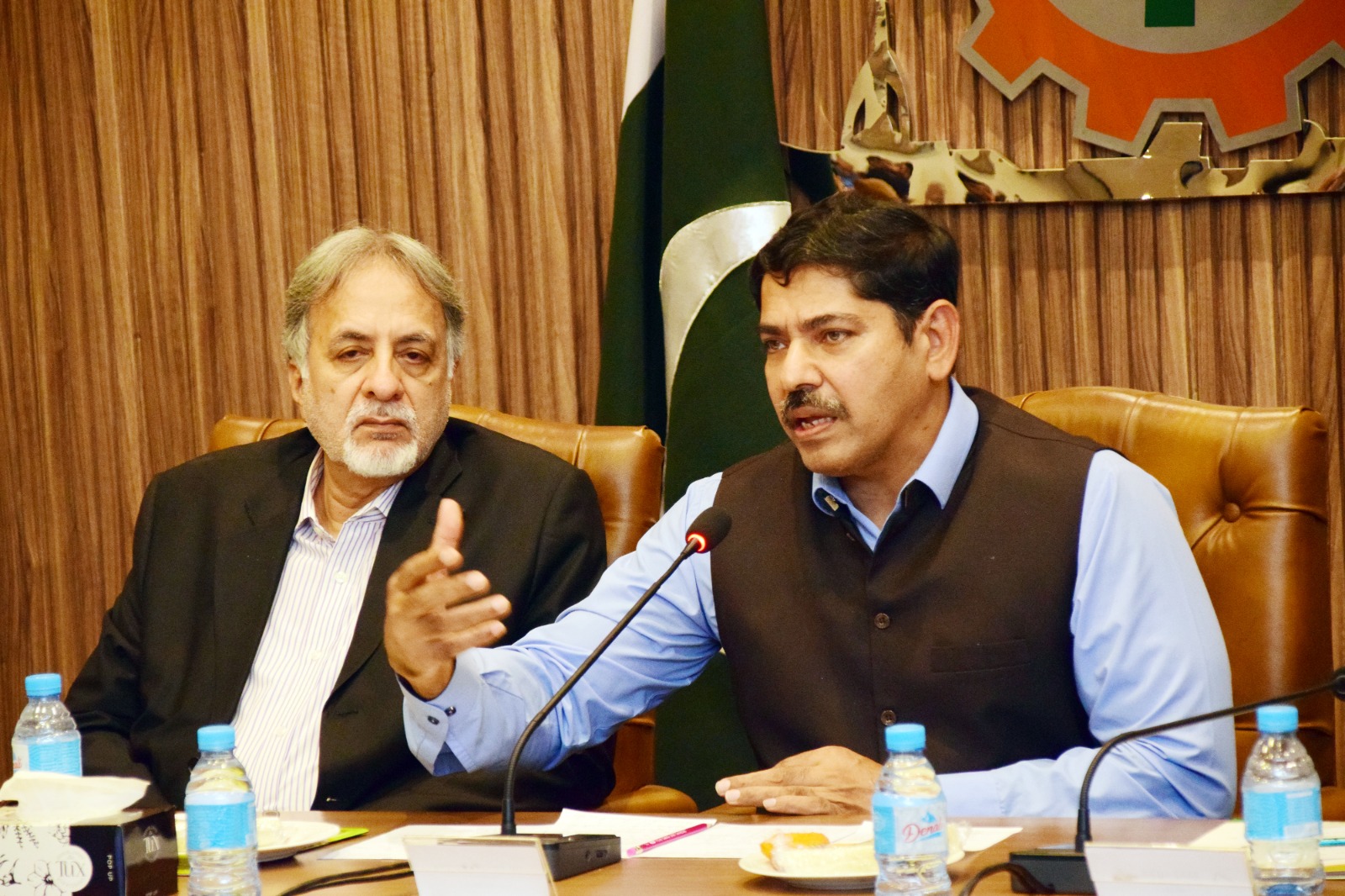
He made these remarks while addressing a seminar titled “Marketing Heritage: Turning Culture, History & Tourism into Economic Assets,” jointly organized by the Marketing Association of Professionals Pakistan (MAP) and the Federation of Pakistan Chambers of Commerce & Industry (FPCCI).
The seminar brought together a diverse panel of experts and stakeholders, including FPCCI Vice President Zaki Aijaz, Director General TDAP Lahore Ms. Rafia Syed, former MD PTDC Masood Ali Khan, President & CEO of COTHM Global (UK) Ahmad Shafiq, historian and former Director of Museums Dr. Iqbal Bhutta, Additional DG KP-CVE and Advisor on National Heritage & Culture Muhammad Kashif Irshad, Director of Diplomat & Corporate Affairs at Discover Pakistan TV Anas Farooqi, CEO of Impact Solutions Saadia Hanif, and Founder of SID (Sustainable Intervention Drive) Zerka Tahir, among others.
In his keynote address, Dr. Bhutta noted that the seminar aimed to unite key voices in exploring how Pakistan’s rich cultural and historical assets can be transformed into economic drivers. He highlighted the government’s initiatives such as the establishment of six Business Facilitation Centers across Punjab to support small businesses and entrepreneurs. These centers offer services like business registration, licensing, and assistance with regulatory compliance.
Dr. Bhutta also briefed the participants on the government’s economic reform efforts focused on exchange rate stabilization and increased revenue collection, all aimed at promoting sustainable growth, reducing poverty, and improving the living standards of citizens.
He concluded by stating that leveraging Pakistan’s cultural and historical heritage can open up new avenues for economic development, enhance the country’s global image through nation branding, and create long-term value for future generations.
About the Author