By Our Correspondent
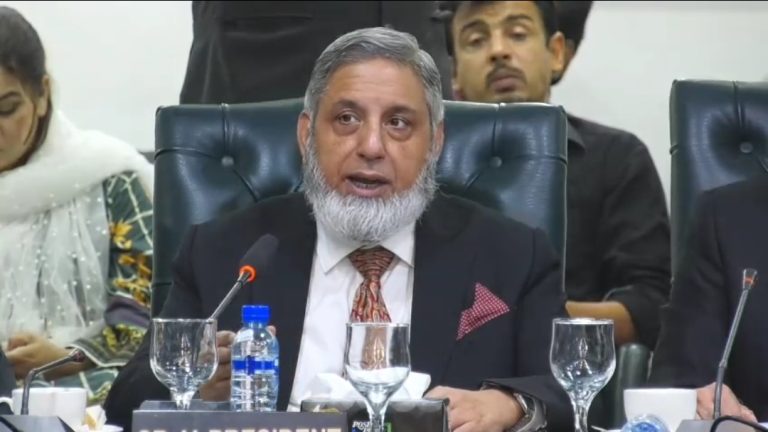
LAHORE: Faiz Ahmad Chadhar, Chief Executive, Trade Development Authority of Pakistan (TDAP) has declared that the role of TDAP will not be limited to organizing delegations and exhibitions but will focus on comprehensive export development and investment facilitation. He emphasized that Pakistan’s business community will experience a transformation in TDAP working, with a shift towards long-term facilitation and strategic trade and investment development on this occasion.

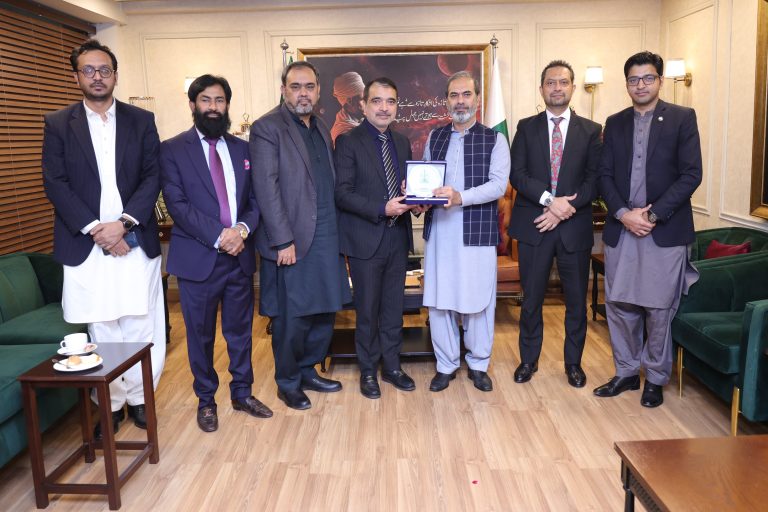
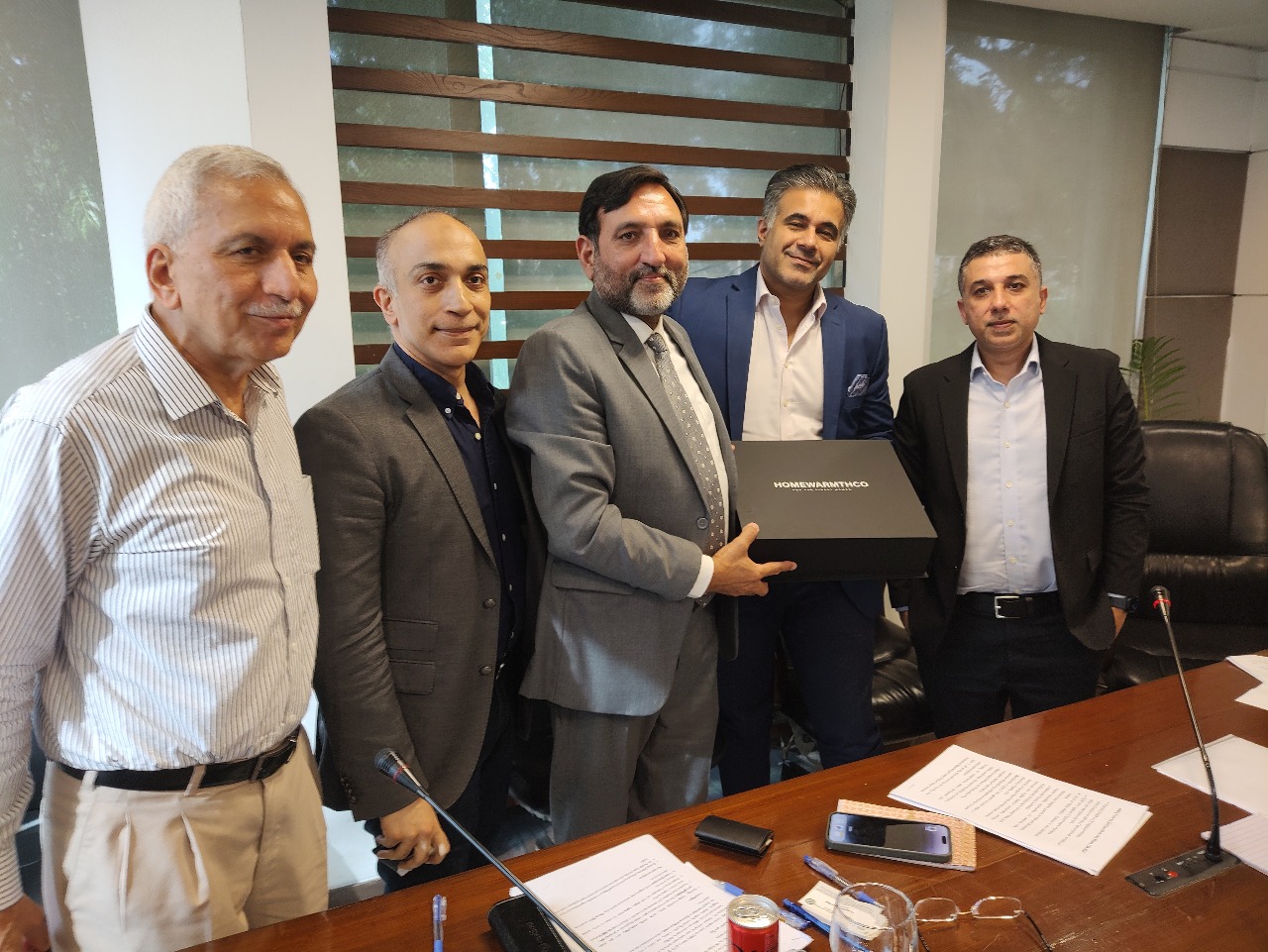
Faiz expressed his views while talking to leading textile exporters on his visit to APTMA on Friday along with senior TDAP Officers. Mr. Kamran Arshad, Chairman; Mr. Asad Shafi, Chairman North; Mr. Ahmad Shafi, Vice Chairman, Mr. Mohammad Qasim, Treasurer, Mr. Raza Baqir, Secretary General of the Association and senior members of APTMA, welcomed him on his visit to APTMA.
Faiz stated that TDAP serves as the marketing and facilitation arm of the government and will become the strongest advocate for the business community at both federal and provincial levels. Regardless of the issue or department involved, TDAP will stand at the forefront to support and facilitate businesses, ensuring that exporters and investors receive due assistance they need to succeed in international markets.
Faiz added that TDAP will focus on key sectors such as Textiles and apparel, Agro-food, Leather, Petroleum, and Renewable Energy. He highlighted that the country has more than 40 Trade & Investment Officers (TIOs) stationed in major markets all over the world who are always available to create new opportunities for Pakistani businesses in international markets. He urged the exporters to avail services of these trade officers for expansion of their export business and seeking collaboration with foreign investors.
Faiz highlighted structural changes in Pakistan’s trade diplomacy, with commercial counsellors now re-designated as trade and investment officers, subject to quarterly performance reviews. He warmed that underperforming officers would face recall.
Speaking on this occasion Kamran Arshad, Chairman APTMA stated that the gravest problems of the industry is exorbitant energy cost. He talked of Pakistan brand introductions overseas to fetch highest value as currently Pakistani products are being retailed overseas at five times higher price. He added that Pakistan should have at least 10% annual growth in exports to get rid of foreign loans. He added that role of TDAP is to promote whole value added chain and facilitate all levels of supply chain to ensure quality of products.
Earlier Mr. Kamran Arshad, Chairman APTMA highlighted the strengths and potential of Pakistan’s textile industry, noting that the sector is on an upward trajectory with an ambitious export target of $50 billion within the next five years. He requested the government for creating an enabling environment for the growth of the textile industry to upsurge exports and earn valuable foreign exchange for the country.
Kamran said that the government had announced in the Federal Budget about imposition of sales tax on import of cotton, yarn and greige cloth under EFS to provide even playing field to local industry but its implementation is yet awaited despite expiry of considerable period due to non issuance of notification by FBR. He requested the Chief Executive TDAP to use his good offices for immediate issuance of the requisite SRO for revival of textile industry.
To upsurge exports, Chairman APTMA proposed immediate restoration of Regionally Competitive Energy Tariff (RCET) of ¢9/KWH for electricity and $9/MMBTU for gas. He requested for zero rating of export oriented sectors or alternately introducing graduated tax regime with 5% at initial stage, 10% at intermediary stage and standard rate for end product.
Asad Shafi, Chairman North, speaking on the occasion demanded immediate payment of pending sales tax refunds, diversification of export markets, development of E-markets, Capacity building on EU Digital Product Passport, EU Green Deal Regulations, technology adoption and reverting back to the same income tax regime as existed before the current year budget.
Asad proposed development of Garment City near Lahore on plug and play model to attract Chinese businesses for investment and joint ventures in export of apparel. He also suggested of taking high level textile delegation to China for matchmaking by connecting Chinese textile tycoon with credible Pakistani counterparts, exploring partnership opportunities and extending personal invitation to Chinese textile industry for investment in Pakistan.
About the Author