
Exporters get notices from SBP for late payment realization, but no one wants to understand that the delay is due to port or shipping line inefficiencies
By Our Correspondent
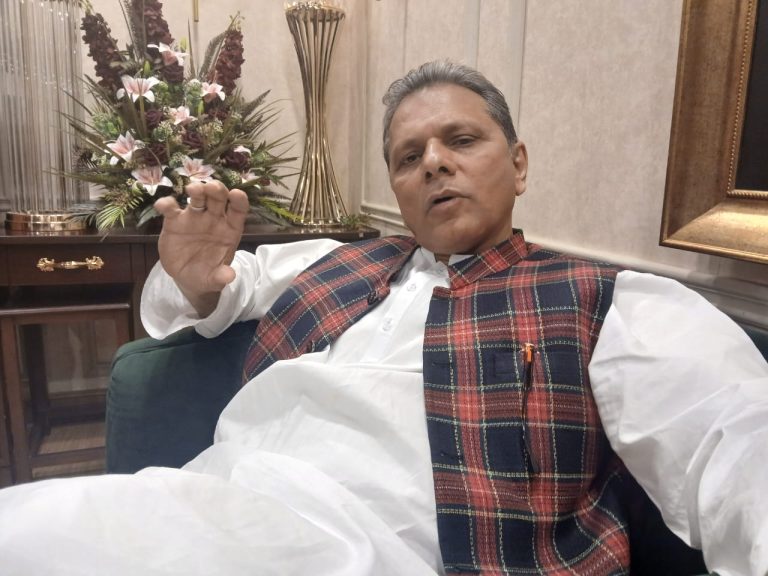
In an exclusive interview with our correspondent, a senior exporter Syed Salman Ali (Executive Committee Member Lahore Chamber of Commerce & Industry) shared his deep concerns over the growing difficulties faced by Pakistan’s export sector, warning that without urgent reforms, the country risks losing its foothold in global markets.
Q: Exporters are said to be the backbone of the economy. What are the ground realities today?
A: That’s true, we are the backbone, but the ground realities are increasingly discouraging. Instead of supporting us, the system is pushing us into more and more complexity. From expensive electricity to policy inconsistencies, it’s becoming extremely hard to survive—let alone grow.
Q: What are some specific challenges you’re facing right now?
A: The biggest issue is the lack of coordination and red tape. There are over 30 departments involved in manufacturing and exports, and each one adds delays. Then there’s the delay in sales tax refunds, which directly affects our liquidity. Exporters can’t operate on promises we need timely cash flows.
Q: What role are banks playing in this situation?
A: Unfortunately, banks who should be our partners have become part of the problem. Their policies are inconsistent and vary from bank to bank. Despite the State Bank of Pakistan issuing clear guidelines, most commercial banks either don’t implement them or twist them to avoid giving facilities to small exporters. Some of their concerns are genuine, but many are not. And they conveniently shift the blame to SBP.
Q: Are there issues in the payment process?
A: Yes, every step has become a hurdle. From receiving payments from abroad to getting a financial instrument issued, it’s like pulling teeth. Systems are outdated, and staff at many banks aren’t trained or willing to help. Instead of facilitating trade, they create obstacles.
Q: Let’s talk about logistics. How are port operations impacting exporters?
A: The port system is broken. Even after clearance and handover to shipping lines, port authorities randomly mark containers for examination without checking vessel schedules. If your container is on the second row, getting it grounded for examination is a nightmare. We miss sailings regularly, leading to delays of 7 to 15 days, and there’s zero accountability.
Q: What about transit times and shipping lines?
A: We’ve seen a sharp increase in delays. For example, a line will commit a 45-day transit time to Africa, but due to transshipments, the container takes over 70 days. Our buyers don’t want to hear excuses. Delays affect our credibility, our cash flow, and in many cases, force us to halt production.
Q: And yet the State Bank holds exporters responsible for payment delays?
A: Exactly! Exporters get notices from SBP for late payment realization, but no one wants to understand that the delay is due to port or shipping line inefficiencies. Most buyers release payment only once the container reaches the destination port, and when it’s late, it’s out of our hands. There needs to be a more practical, field-aware policy approach.
Q: What do you want from the government and policymakers?
A: We need urgent reforms. Ports must be modernized, banks need to be held accountable for not implementing SBP policies, and shipping lines must be regulated for their false commitments. Most importantly, the State Bank and FBR must align their timelines and expectations with the realities on ground. If not, we’re at serious risk of losing business to regional competitors like Bangladesh. India and Vietnam.
Q: Any final message?
A: Exporters are not asking for subsidies we’re asking for a fair, transparent, and efficient system. If the government wants to boost exports, it must start by listening to real exporters, not just big players with lobbying power. Otherwise, the dream of economic revival through exports will remain just that a dream.