By Our Correspondent
LAHORE: The Punjab government is constructing 10 Agri Malls next year to provide agricultural machinery on a rental basis.

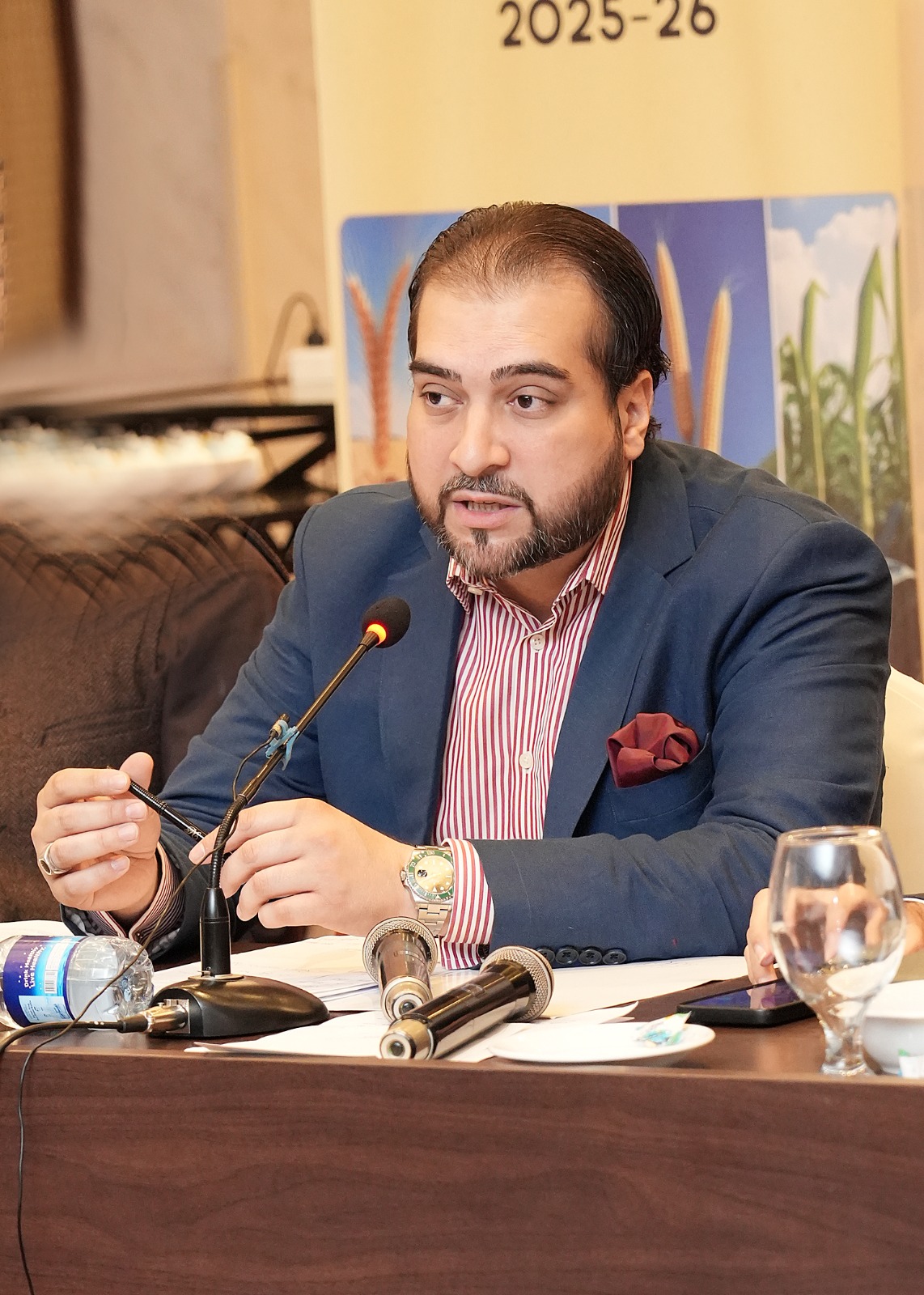
This was stated by Punjab Minister for Agriculture and Livestock, Syed Ashiq Hussain Kirmani at a workshop titled “Current State of Agriculture and Planning for Punjab 2025–26” ejich was held at a local hotel with the collaboration of the Punjab Agriculture Department, the Food Security and Agriculture Center of Excellence (FACE), and the Pakistan Agricultural Coalition (PAC).
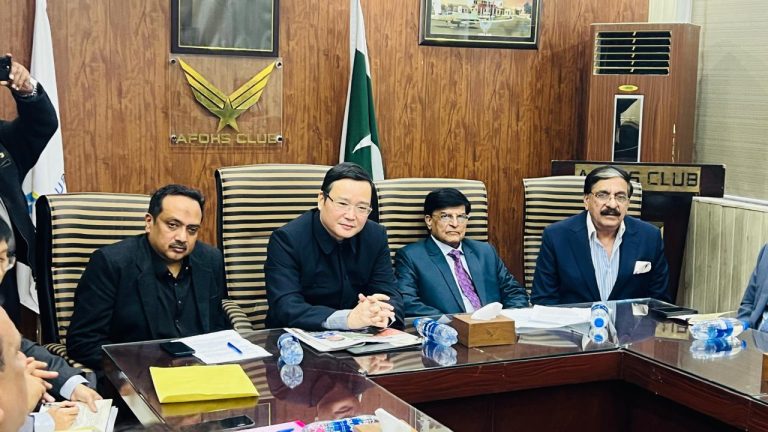
Punjab Minister for Agriculture and Livestock, Syed Ashiq Hussain Kirmani, was the chief guest of the event. Parliamentary Secretary for Agriculture Usama Khan Leghari, Secretary Agriculture Punjab Iftikhar Ali Sahoo, Kazmi from the Pakistan Agricultural Coalition, and FACE Chief Operating Officer Hassan Akram were also present in the session.
Addressing the event, Minister Agriculture and Livestock Syed Ashiq Hussain Kirmani said that the purpose of this consultative session is to engage stakeholders to assess the current status of agriculture and devise a future roadmap. He expressed confidence that the session would result in actionable proposals for the improvement of the agricultural sector in the fiscal year 2025–26. He emphasized that the main focus is on enhancing agricultural productivity& profitability and ensuring their sustainability. The government is committed to securing fair prices for farmers’ produce.
He highlighted that under the leadership of the Chief Minister, the Punjab government has prioritized the transformation of agriculture under the “Transforming Agriculture Punjab” program. A zero-interest loan of Rs. 30 billion has been introduced to promote mechanization. The government is constructing 10 Agri Malls next year to provide agricultural machinery on a rental basis, while construction of four Agri Malls is already 98 percent complete.
The Minister further stated that the Chief Minister is focusing on high-efficiency irrigation systems, research, and the supply of climate-resilient seeds. Under Phase I of the Kissan Card program, Rs. 57 billion in loans have been distributed to 525,000 farmers, out of which 98 percent have repaid their loans.
Kirmani added that the government is linking research institutions and universities and believes in supporting the private sector by providing maximum facilities. He stressed that the establishment of virtual and electronic markets for agricultural commodity marketing is the need of the hour.
Parliamentary Secretary for Agriculture Usama Khan Leghari said that it is imperative to reduce crop production costs and increase per-acre yield. He noted that the Kissan Card program has reduced input costs by 70 percent. He urged the government to focus more on agricultural research.
Secretary Agriculture Punjab Iftikhar Ali Sahoo stated that Punjab contributes 70 percent to the country’s agriculture and that practical steps are being taken to transform the sector. He emphasized the importance of corporate and cluster farming to meet modern agricultural demands and acknowledged that climate change presents a serious challenge to the sector. He also highlighted the Green Pakistan Initiative as a remarkable project of the government.
Director General of the Green Corporate Initiative Pakistan, Major General Shahid Nazir, said that to turn the dream of agricultural transformation into reality, the government must address the instability in farmers’ product pricing. He stressed the need to educate farmers on expanding cultivated land and to adopt modern technology, collect data, and benefit from agricultural experts to promote mechanization.
The workshop featured several sessions. In the first session, stakeholders and private sector representatives held detailed discussions on the availability of farm inputs and improving farm economics. The second session focused on increasing per-acre yield and managing crop diversification. The third session offered valuable consultations on mitigating the effects of climate change, restoring soil health, and ensuring adequate water availability. The fourth session emphasized the need for collective efforts to improve the agri-commodity marketing system.
Participants included President of the Bank of Punjab Zafar Masud, Vice Chancellors of agricultural universities, Shehzad Malik from Guard Filters, stakeholders involved in agricultural production, and representatives from private companies. A large number of participants also joined the session online.
Also present at the workshop were Punjab Agriculture Department Coordinator Dr. Muhammad Anjum, Directors General of Agriculture Chaudhry Abdul Hameed, Naveed Asmat Kahloon, Engineer Sajid Hassan, Abdul Qayyum, and DG Research Faisalabad.
About the Author