By Dr Saleha Waqar Butt
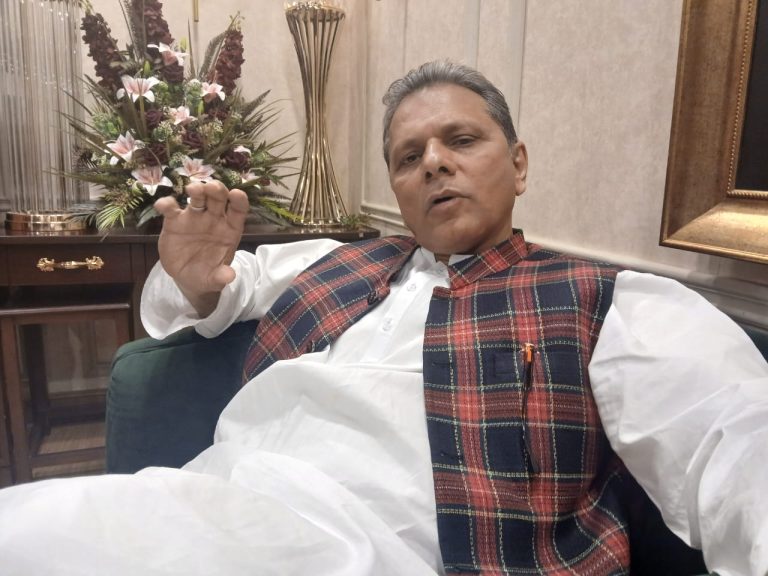
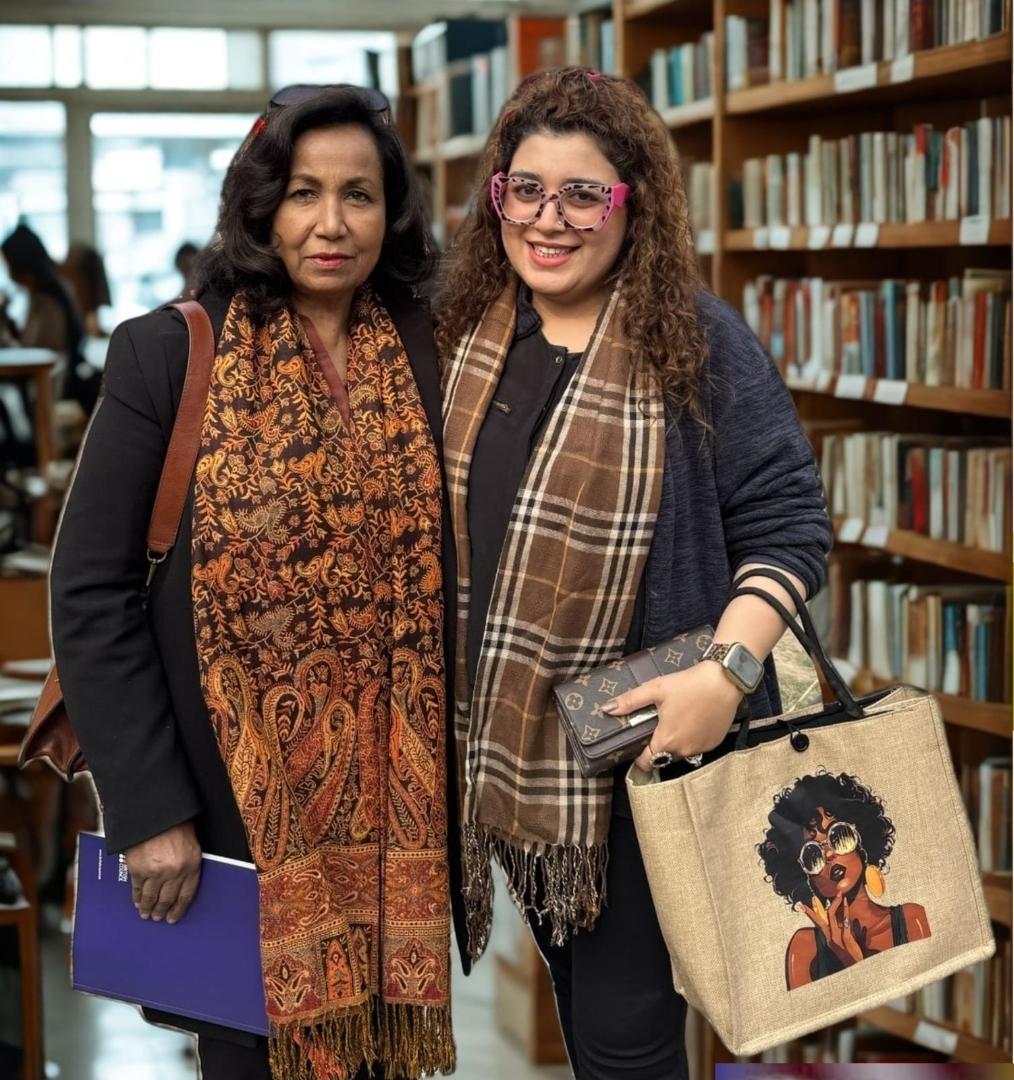
In the ever-evolving landscape of leadership in Pakistan, few women have left as lasting an imprint as Ms. Rukhsana David, the former Principal of Kinnaird College for Women. More than just an academic administrator, she was a force of change—fueling ambition, confidence, and purpose in countless women. For those of us who walked the corridors of Kinnaird during her tenure, she was nothing short of a mentor-mother.
As someone who works at the intersection of marketing strategy and academia, I was particularly interested in exploring how Ms. David views the shifting roles of education, digital transformation, and women’s leadership in today’s world. What followed was a rich, insightful conversation full of wisdom, lived experience, and forward-looking perspectives.

Q: The role of education in modern marketing—how should institutions adapt?
Rukhsana David: Marketing is evolving rapidly, especially with the rise of digital platforms. Educational institutions must move beyond traditional theories and incorporate digital-first skill sets like social media, influencer marketing, and automation tools. While fundamentals like branding and storytelling remain important, today’s students also need to understand data analytics, AI tools, and global consumer behavior. At the same time, we must not forget the human side of marketing. Skills like emotional intelligence, cultural empathy, and creativity are still essential. Institutions must balance technology with human-centric learning, equipping students not just to understand algorithms but to build meaningful customer relationships.
Q: Bridging the theory-practice gap—where are we falling short?
Rukhsana David: That gap is very real and persistent. Many students graduate with theoretical knowledge but struggle to apply it in real-life situations. Academia and industry need to work together more closely. Course content should be co-created with industry professionals. Regular inclusion of guest lectures, internships, and case studies from live campaigns can create stronger real-world alignment. We must shift from passive classroom learning to applied, experiential education. When students work with startups, marketing firms, or NGOs during their studies, they gain valuable experience that no textbook can offer.
Q: Women in leadership—what challenges Still exist in marketing and business?
Rukhsana David: While women are entering marketing in large numbers, they’re still underrepresented at decision-making levels. Gender bias still colors perceptions of leadership qualities. Women often carry the double burden of professional performance and family care, making it harder to seize high-visibility roles. There’s also a lack of structured mentorship for women. Informal networks dominate in many organizations, and women are often left out of those circles. Gender pay gaps and a lack of sponsorship add to the problem. These barriers aren’t insurmountable—but they require intentional, inclusive policies to dismantle.
Q: How can institutions foster gender inclusivity in leadership?
Rukhsana David: We need to start early, within educational institutions. Offer leadership development programs that are actively inclusive. Create formal mentorship structures for women and celebrate their achievements at every level—from the classroom to the boardroom.
Representation matters. Include women on panels, in leadership talks, and as role models. Ensure that both male and female senior leaders champion women’s growth. Leadership should not just be a position; it should be a pathway open to all.
Q: Digital transformation—how can institutions like Kinnaird stay ahead?
Rukhsana David: Digital is no longer the future—it’s the present. For institutions like Kinnaird, this shift presents a powerful opportunity to lead. The curriculum must include hands-on digital marketing tools, AI applications, and ethics in digital communication. Set up digital labs where students can experiment with simulated accounts, real campaigns, and live tools. Introduce courses on AI and its responsible use, as well as global consumer trends. These steps can make students not only employable but future-proof, especially in global markets where female digital marketers are setting new benchmarks.
Q: Ethical marketing—how do we teach it effectively?
Rukhsana David: In today’s transparent, socially conscious environment, ethics is non-negotiable. Consumers follow brands that reflect their values. Educational institutions must embed ethics across the curriculum—not as a one-time lecture but as a core philosophy. Encourage students to design marketing campaigns for social causes, NGOs, or community projects. Invite business leaders who lead with integrity. Let students understand that marketing is not just about “What sells?” but also “Should it be sold?”
Q: What defines Rukhsana David?
Rukhsana David: I would say compassion and integrity—as an educator, administrator, and advocate for women’s growth. These two values have guided my every step.
Dr. Saleha Waqar Butt’s reflections:
As someone deeply rooted in both corporate and academic marketing, I’ve always believed that authentic leadership is the most powerful brand any institution can have. Rukhsana David embodies that belief. Her leadership wasn’t just about titles—it was about transforming lives, building confidence, and standing firm on values.
She reminds us that leadership isn’t measured just by KPIs or promotions—but by the legacy of people we empower. For educators, marketers, and policymakers, her journey is both a lesson and a lighthouse. We don’t just build brands—we shape lives.
About the Author