By Our Correspondent
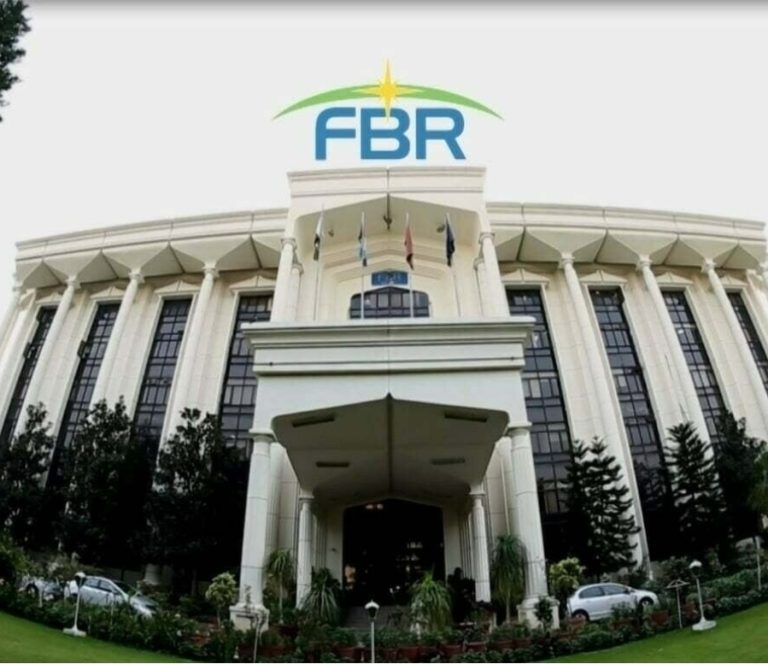
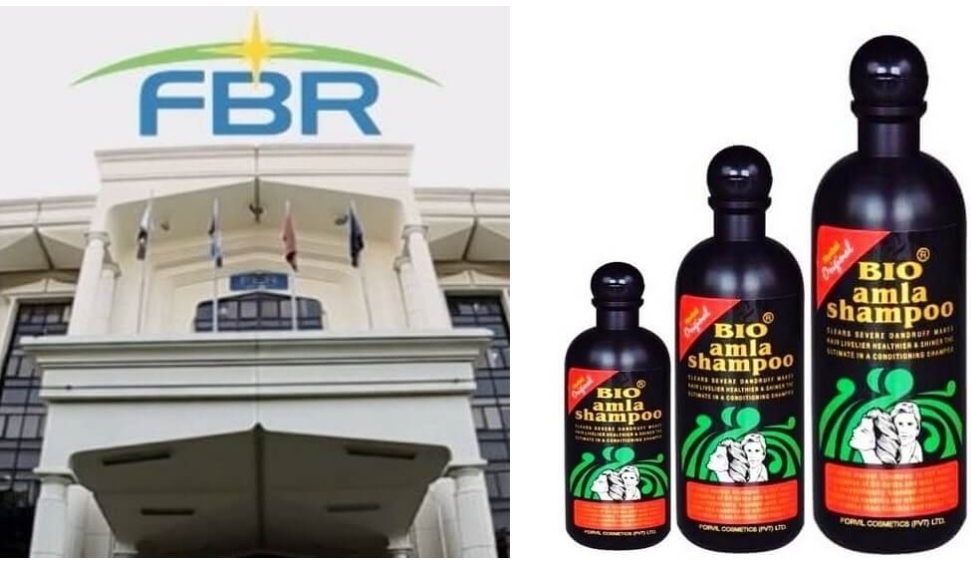
ISLAMABAD — The Federal Board of Revenue (FBR) has taken regulatory action against a cosmetic manufacturing company based in Peshawar, M/s Forvil Cosmetics, over alleged non-compliance with tax regulations.

Read also: LCCI expresses solidarity with Iran, rejects excessive powers to FBR under Section 37AA
As part of its ongoing drive to improve tax compliance and enforcement across the country, the FBR has recommended cancellation of the company’s manufacturing license and restricted the production, distribution, and marketing of products under certain brand names associated with the company.
This action falls under a broader campaign launched by FBR across its Large Taxpayer Offices (LTOs), Regional Tax Offices (RTOs), and Corporate Tax Offices, aimed at meeting revenue targets for June 2025.
Compliance Review and License Status
In line with FBR’s instructions, the Pakistan Standards and Quality Control Authority (PSQCA) in Peshawar has been advised to suspend the manufacturing license of M/s Forvil Cosmetics. Officials cite concerns regarding the company’s alleged failure to fulfill tax obligations and related regulatory requrequirements.l
According to sources, the FBR has labeled the company’s commercial activity as non-compliant, and a communication has been made to prevent the sale, stocking, or manufacturing of specific cosmetic items under brand names such as “Bio Amla,” “Bio Nikhhar Cream,” “Seven Day Cream,” and “Prima Hair Color.” These steps are being taken to ensure the integrity of the formal economy and protect consumer interests.
FBR’s directive explicitly mentions that no new license should be issued under these names without prior clearance. PSQCA has issued a seven-day notice to the firm, requesting documentation including FBR clearance, valid sales tax registration, income tax return filing, and proof of tax payments. Non-submission within the specified timeline could result in additional administrative action.
Background of the Matter
As per official documentation, the case against M/s Forvil Cosmetics is currently under review by the Directorate General of Intelligence & Investigation – Inland Revenue. The company, which was once active in the cosmetic manufacturing sector, is said to have ceased operations some years ago.
The FBR claims that the company’s registration for sales tax has been deactivated and that the entity has been blacklisted due to outstanding liabilities. According to documents, the pending amount — inclusive of surcharges and penalties — stands at approximately Rs. 570 million, as of October 2022. The assessment order in this matter has been upheld by the Supreme Court of Pakistan, strengthening the department’s position.
Broader Investigation and Oversight
Meanwhile, the FBR is reportedly conducting similar reviews in other regions, including Karachi and Lahore. In Lahore, under the oversight of the Chief Commissioner at the Corporate Tax Office, internal investigations revealed that a license was issued to the company despite its inactive tax status. Allegations have surfaced regarding possible procedural lapses in the issuance of the license without adequate checks.
To address these concerns, a dedicated inquiry team headed by Deputy Commissioner Inland Revenue Muhammad Qamar Munhas has been formed. The team has formally communicated with PSQCA, recommending that no license or renewal be granted to any party under the affected brand names unless complete tax compliance is verified.
Consumer Guidance and Regulatory Focus
The FBR has reaffirmed its commitment to ensuring that only compliant entities operate in the formal sector. It has encouraged businesses to fulfill their tax obligations in a timely and transparent manner to avoid enforcement actions.
Consumers are also advised to remain cautious and purchase cosmetic products from registered and tax-compliant sources only. This not only ensures product quality but also contributes to the country’s economic documentation efforts.
This development marks a significant step in the FBR’s agenda to strengthen enforcement and uphold rule-based governance in the business sector.
About the Author