By Commerce Reporter
LAHORE – The Federal Budget 2025 has stirred mixed reactions among Pakistan’s business community, with leaders from various chambers and trade groups acknowledging some key reforms but also expressing concern over missed opportunities.

Read Also: Trade and industry delegation visits LCCI, presents bouquet to Acting President Khalid Usman
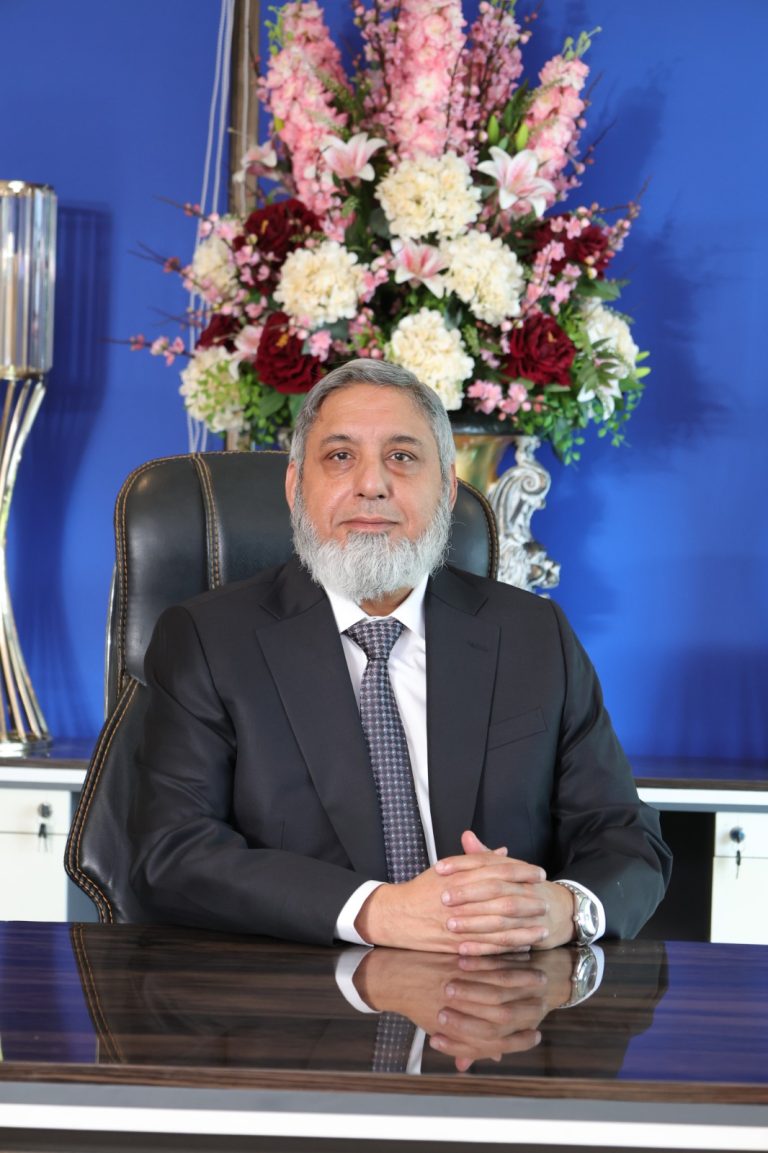
Mian Abuzar Shad, President of the Lahore Chamber of Commerce and Industry (LCCI), commended the government for raising the defense budget, calling it “as essential as blood in the body.” He said national security must remain a top priority and the increase reflects the state’s commitment to safeguarding the country.
He also welcomed the 10 per cent sales tax imposition on FATA and PATA, noting that it had resolved longstanding provincial reservations and leveled the playing field for other regions. “This will improve tax equity and bring consistency to national fiscal policy,” he said.
On the taxation front, Shad appreciated the government’s move to reduce income tax slabs for salaried individuals, calling it a “much-needed relief for the middle class” that has long been carrying the weight of inflation on its shoulders.
For those earning Rs600,000 to Rs1.2 million annually, the tax rate has been brought down to just 1 per cent, while higher brackets have also seen reductions.
Shad described several other budgetary steps as positive, including:
• Efforts to improve public healthcare
• Implementation of a single-page tax return, making compliance easier
• Government steps to curb sales tax evasion through better invoicing
• Budget allocation for water projects, though he stressed more was needed: “Water is our lifeline—what’s been allocated is a good start, but we must go further.”
• Reduction in super tax, though the business community expected a more generous cut
• Decision to merge 45 state-owned enterprises, seen as a long-overdue reform
• 2% relief in real estate transactions, expected to stimulate the housing sector
• Taxation of e-commerce businesses, aimed at expanding the tax net
• Encouraging signs of macroeconomic recovery, including improvements in GDP, service sector growth, and a fall in inflation from 26 per cent to 4.7 per cent
However, Shad also pulled no punches in highlighting areas of concern. He said over 15,000 petrol pump owners were left out of any meaningful relief, and SMEs—the backbone of Pakistan’s economy—received no significant incentives.
Khalid Usman, Senior Vice President of LCCI, expressed dissatisfaction over the token increase in government employees’ salaries, stating it was too little, too late. He also criticized the tax burden on petrol and diesel vehicles, arguing that Pakistan lacks the infrastructure to shift to electric vehicles. “We’re taxing what people are forced to use—it’s neither fair nor realistic,” he said.
Mian Anjum Nisar, Vice President of the SAARC Chamber, focused on the challenges faced by the IT sector, particularly slow internet speeds that are holding the industry back. He said there was no real incentive for foreign or local investors, and the effort to bring non-filers into the tax net remained weak.
Usman Khalid, another prominent business voice, highlighted Pakistan’s lag in regional growth. “India is growing at 6.5 per cent, Bangladesh at 5 per cent, and we’re way behind,” he said. “With this kind of growth, how can we offer hope to our youth?”
He also noted the absence of relief for the export industry and lack of a clear industrial policy, particularly for the manufacturing and SME sectors. “We’re stuck in a loop—year after year we ignore the real engines of growth,” he remarked.
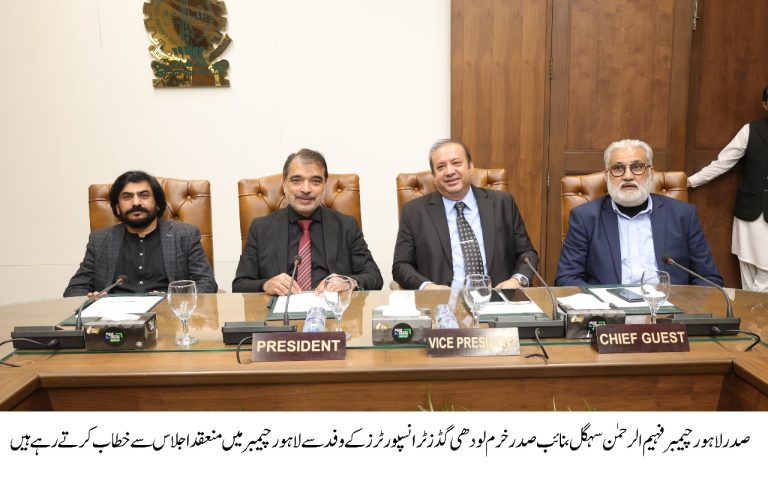
Speaking alongside Shad, Faheem-ur-Rehman Sehgal echoed similar concerns, pointing out that no dedicated proposals were presented for youth development or employment generation. He criticized the continuation of the Benazir Income Support Program, suggesting it should be phased out and replaced with a skills-based empowerment initiative.
In sum, while the Budget 2025 includes commendable steps toward tax reforms, public health, and structural efficiency, the business community feels the government has missed the mark on stimulating job creation, youth empowerment, and industrial expansion. The message is clear: “Good start, but not enough.”
About the Author