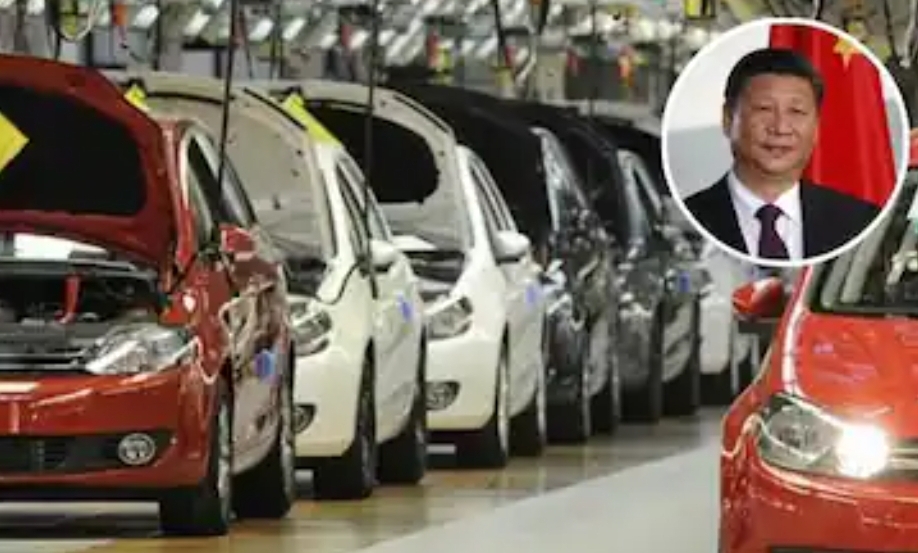
By Web Desk: China has sent ripples through the global auto sector — and a storm through India — by halting exports of critical rare earth magnets. These magnets are essential components in electric vehicles, power steering, braking systems, and wind turbines. China, which processes over 90% of the world’s rare earth materials, introduced new licensing regulations in April 2025. Since then, not a single Indian manufacturer has received export clearance, threatening to bring Indian auto production to a standstill by June.
Major players like Maruti Suzuki, Mahindra & Mahindra, Tata Motors, and Bajaj Auto are now facing an uncertain future. Bajaj Auto has already warned of halts in electric vehicle production if supplies don’t resume soon. The industry is pressing the Indian government for urgent diplomatic engagement with China, but with rising geopolitical tensions and China’s firm stance on “national security,” a breakthrough seems distant.

For Pakistan, however, this crisis could be an unexpected opportunity.
As China tightens its grip on rare earth exports, Pakistan can look inward. Rich in untapped mineral resources — especially in regions like Balochistan — Pakistan holds potential reserves of rare earth elements. With strategic planning and foreign investment, Pakistan could emerge as an alternative regional supplier.
Experts suggest this is the moment for Pakistan to launch an aggressive exploration and mining policy focused on rare earth elements. If successful, not only could this reduce Pakistan’s reliance on imports, but it could also generate significant foreign exchange through exports — perhaps even to India, if tensions ever thaw.
In a world increasingly driven by clean energy and electric mobility, rare earths are the new oil. And Pakistan may just have the map.
About the Author