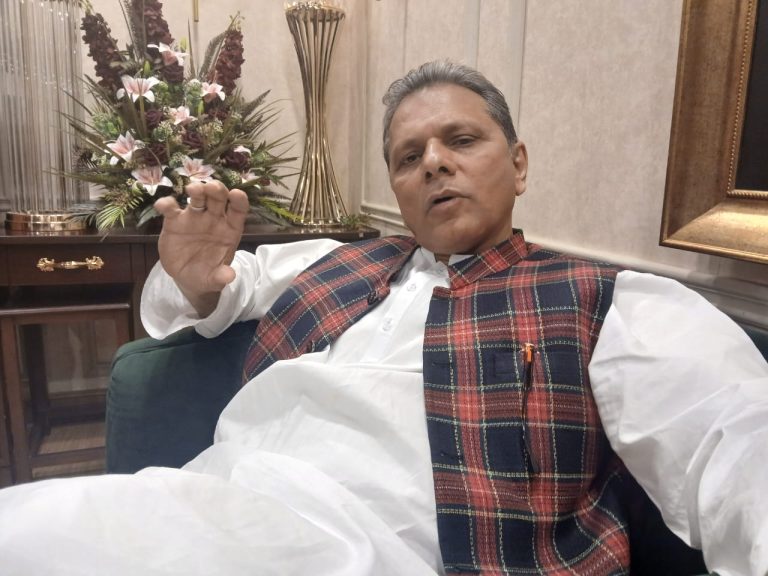
Interview with Khadim Hussain – Member Board of Directors, Pakistan Stone Development Company
By M Qadeer
Q: What are your expectations from the upcoming federal budget, particularly regarding SMEs?
Khadim Hussain: The upcoming budget should prioritize incentives for Small and Medium Enterprises (SMEs). Pakistan needs to elevate SMEs by enhancing the quality of their products to match export standards. Countries around the world are earning significant foreign exchange solely through SME exports—something Pakistan can emulate with the right support.

Read also: Pakistan needs urgent FDI strategy overhaul to match regional economic growth: Khadim Hussain
Q: Why are SMEs critical to this transformation?
Khadim Hussain: SMEs form the backbone of our economy. They not only generate employment but also have the potential to contribute heavily to exports if provided with proper infrastructure, financing, and technical training. The government must include targeted subsidies, export incentives, and easy credit access in the budget to help SMEs scale up.
Q: What specific incentives or reforms do you think are necessary?
Khadim Hussain: First, the government must introduce long-term policies aimed at transforming SMEs into competitive export industries. Second, tax relief should be extended to SMEs in the next budget to ease their financial burden and encourage formalization.
Q: You’ve voiced concern over Pakistan’s tax policies. Can you elaborate?
Khadim Hussain: Yes, the heavy taxation imposed on the documented economy has actually encouraged the growth of the undocumented sector. The government must reduce the number and rates of taxes to close loopholes that promote tax evasion. The FBR’s unchecked authority has demoralized existing taxpayers, and this must be addressed.
Q: What role do you see the FBR playing in the current economic environment?
Khadim Hussain: The FBR should focus on bringing untaxed sectors into the tax net rather than overburdening the existing contributors. The excessive powers given to FBR and the issuance of baseless notices have made the business community wary, leading to reduced tax compliance.
Q: Has the government’s fiscal strategy impacted the industrial sector?
Khadim Hussain: Absolutely. The increase in Federal Excise Duty and implementation of 18% GST has caused the industrial volume to shrink by 45% and 20% respectively. This decline has also negatively affected revenue generation. Policy correction is needed to stabilize and grow the industrial sector.
Q: What are your thoughts on the role of international financial institutions like the IMF?
Khadim Hussain: While the IMF does raise valid concerns at times, our policymakers are often unprepared to implement timely reforms. The government should engage with the IMF to secure flexibility for relief measures, especially in the taxation regime.
Q: There’s a growing debate over IMF-led reforms. What’s your stance?
Khadim Hussain: The IMF’s role should be balanced. While we can’t ignore fiscal discipline, Pakistan also needs space to implement growth-oriented reforms. The government must negotiate intelligently—don’t just accept tax hikes; demand room for export promotion and energy reforms.
Q: What major policy shift do you believe is needed in this year’s federal budget?
Khadim Hussain: The government must shift from short-term revenue tactics to long-term economic planning. Our focus should be on incentivizing production and exports. The taxation system should be overhauled to support manufacturing and documented trade instead of stifling it.
Q: What specific incentives or reforms do you think are necessary?
Khadim Hussain: First, the government must introduce long-term policies aimed at transforming SMEs into competitive export industries. Second, tax relief should be extended to SMEs in the next budget to ease their financial burden and encourage formalization. A stable and supportive policy environment will allow SMEs to grow, innovate, and create jobs.
Q: What do you believe is the way forward for sustainable economic recovery?
Khadim Hussain: Dialogue and consensus. The government must create a National Economic Charter involving all political parties, chambers, and stakeholders. We need consistent policies for at least 10 years—especially in tax, trade, energy, and SMEs. Stability will bring investment and jobs.
Q: As a board member of Pakistan Stone Development Company, what are the key challenges facing the stone industry today?
Khadim Hussain: The stone industry in Pakistan has immense potential, but it remains underdeveloped due to lack of modern technology, skilled labor, and value addition facilities. Most of our exports are in raw form, which limits our earnings. We need investment in cutting, polishing, and design units, as well as training centers to enhance product quality. With the right policy support, this sector can contribute significantly to exports and employment.
Q: Any final message for policymakers?
Khadim Hussain: The government must immediately retract controversial ordinances that have created unrest among business circles. Instead, they should focus on reforming the tax system in consultation with all stakeholders. The upcoming budget should not disappoint the business community, which holds high expectations for economic revival. Transparency, consistency, and collaboration must be the hallmarks of fiscal policy if we want long-term stability and growth.
About the Author