By Commerce Reporter
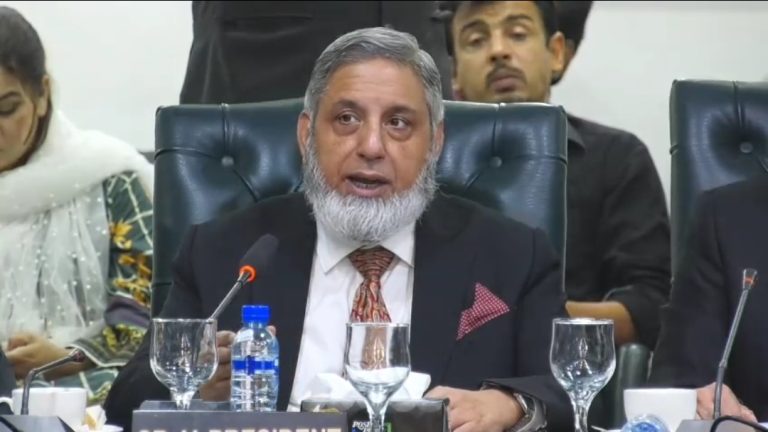
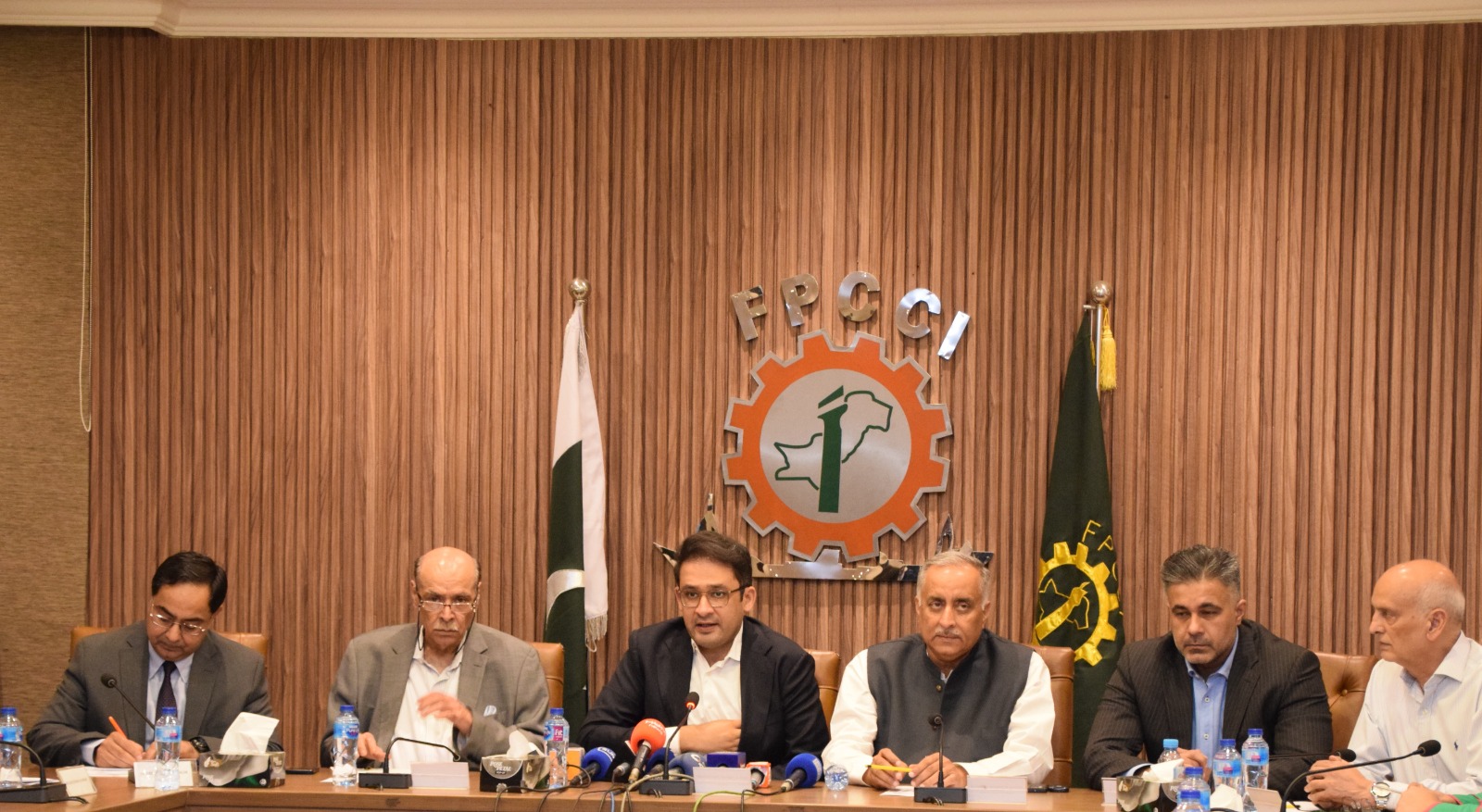
LAHORE: During a press conference at the regional office of the Federation of Pakistan Chambers of Commerce and Industry (FPCCI) in Lahore, FPCCI Regional Chairman and Vice President Zain Iftikhar Chaudhry and former Chairman of the Pakistan Hi-Tech Hybrid Seed Association and FPCCI Executive Committee Member Shahzad Ali Malik emphasized that cotton is not merely an agricultural product, but the backbone of Pakistan’s economy.

Read also: Business community stands united with the government and armed forces of Pakistan – FPCCI
They highlighted that the cotton sector has been grappling with severe challenges for years. Industry experts have consistently warned that without the revival of cotton, the textile industry—the country’s largest export sector—would be in jeopardy. Allowing the import of cotton seeds marks a critical first step toward revitalizing the industry. FPCCI, in collaboration with the government, will continue to champion efforts aimed at restoring the sector’s strength.
The speakers welcomed the government’s recent decision to lift the decades-old ban on cotton seed imports, which had been in place since 1976. “After 50 long years, this move opens the door for innovation and development in cotton seed technology,” they said.
They also noted that on March 7, 2025, they met with Prime Minister Shehbaz Sharif to raise the issue of the ban on hybrid cotton seed imports. The decline in cotton production over the years has been alarming. In 2014, Pakistan produced 14 million bales of cotton, a figure that has now plummeted to just 5.5 million. Consequently, around 800 ginning factories and 120 textile units have shut down, pushing the country to import cotton worth $2 to $3 billion annually.
They pointed out the success of hybrid seeds in other crops like maize and rice, which significantly increased yields—rice production, for instance, has reached up to 120 maunds (about 4.8 tons) per acre. With hybrid cotton seeds now permitted, they anticipate a similar breakthrough in the cotton sector.
APTMA Chairman Kamran Arshad projected that this year alone, Pakistan may have to spend $3 to $4 billion on cotton imports. However, if domestic cotton production is restored to 14 million bales, textile exports could soar to $25–30 billion. At full operational capacity, the textile sector would require 16.5 to 17 million bales annually. Due to declining yields over the past 3–5 years, Pakistan has become the world’s second-largest cotton importer—second only to China.
Sajjad Malik of the Pakistan Hi-Tech Hybrid Seed Association and Khalid Mehmood Khokhar, President of the Pakistan Kisan Ittehad Council, stressed the urgent need for high-quality seeds to boost per-acre productivity. They called for the declaration of an agricultural emergency in the upcoming national budget, along with dedicated funding for agricultural research and development.
About the Author