LCCI Chief praised Traffic Police for well-managed plan
By Our Correspondent
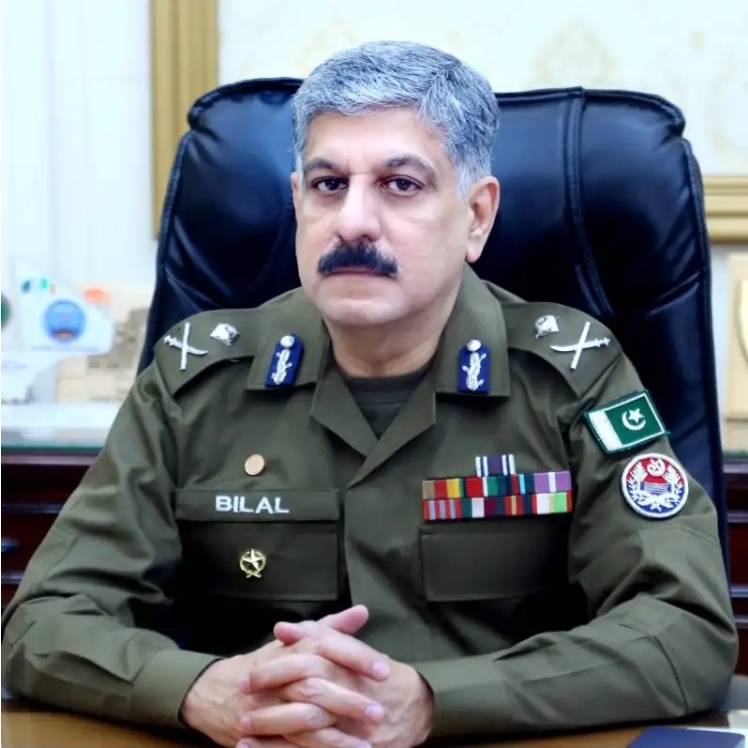
LAHORE – Chief Traffic Officer Lahore Athar Waheed has said that significant measures are being taken under the ‘First Clean and Then Clear’ program to restore the beauty of Lahore.

Read also: Imran Kishwar assumes charge as DIG Admin Lahore
A comprehensive 20-point agenda has been formulated to achieve this goal.
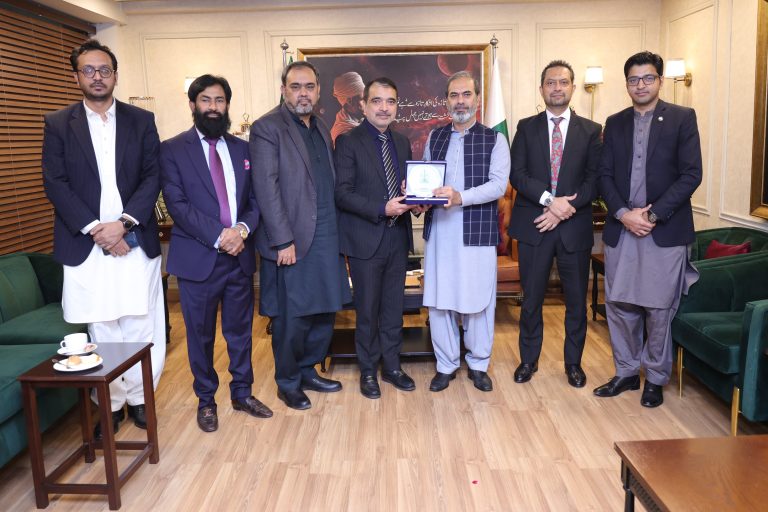
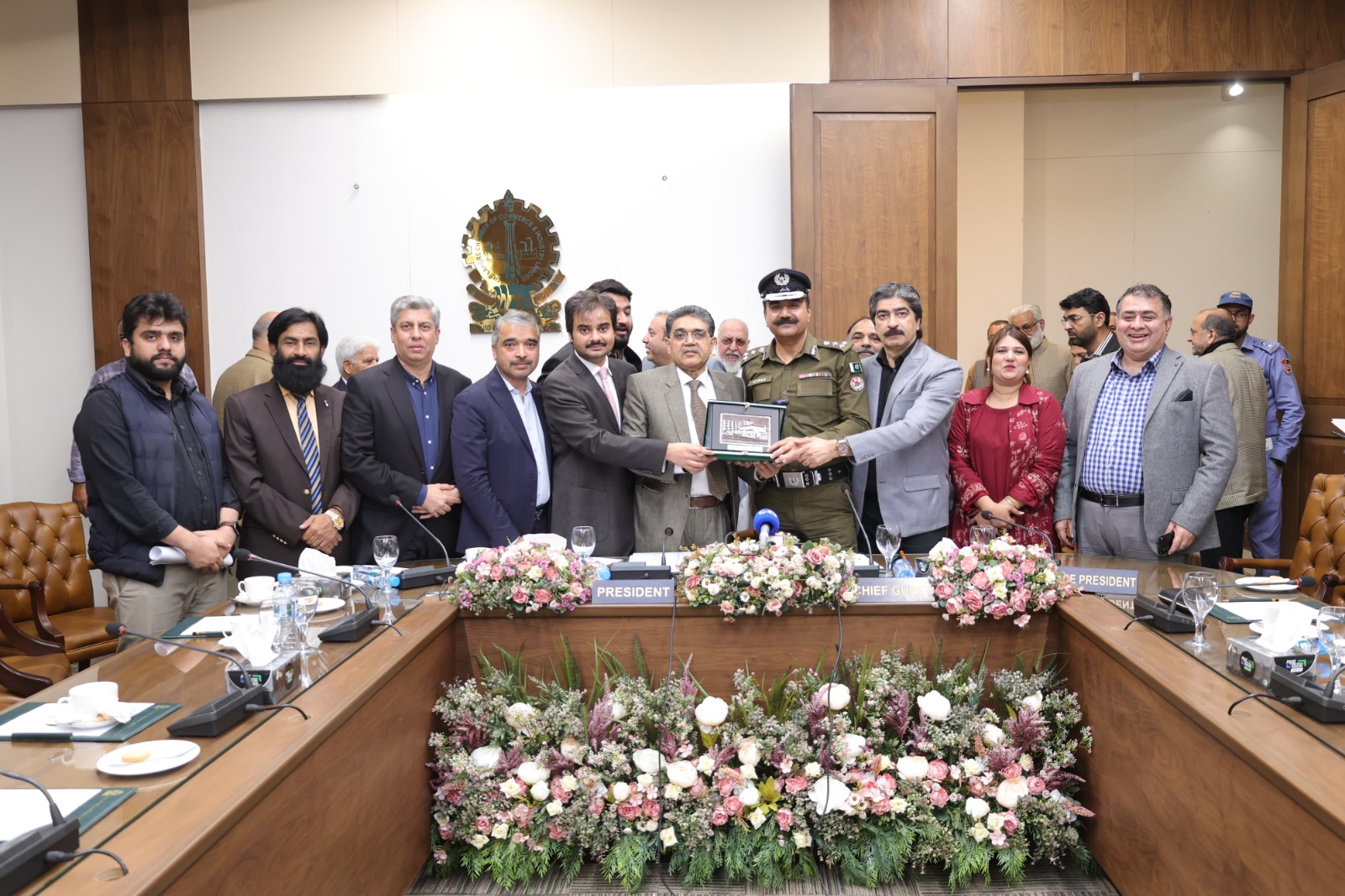
He expressed these views while addressing a meeting at the Lahore Chamber of Commerce and Industry (LCCI). LCCI President Mian Abuzar Shad, Vice President Shahid Nazir Chaudhry, former Senior Vice President Ali Hussam Asghar and former Vice Presidents Faheem ur Rehman Saigol and Adnan Khalid Butt also spoke on the occasion. Executive Committee members Aamna Randhawa, Mian Amir Saeed, Ahad Ameen Malik, Shouban Akhtar, Khurram Lodhi, Ahsan Shahid, Aamir Ali, Rana Muhammad Nisar and others were also present on the occasion.
CTO Athar Waheed said that Lahore’s population surpasses that of 122 individual countries, making efficient city management a shared responsibility of all institutions. He stated that strict measures are sometimes necessary to eliminate encroachments with approximately 1,400 operations conducted in the last 50 days, resulting in the clearance of major roads. He stressed the importance of public-private partnerships for achieving optimal results and proposed utilizing unused government land for temporary parking.
Addressing the growing challenge of beggary, CTO Athar Waheed highlighted that it not only inconveniences citizens but also tarnishes the country’s image. He said that efforts by the traffic police have significantly reduced the number of beggars at traffic signals. However, he stressed the need to update existing laws to effectively address this issue.
The CTO further stated that wearing helmets has been made mandatory for both riders on motorcycles and loader rickshaws, as every life is valuable. He revealed that e-challans issued to government employees are now being deducted directly from their salaries, reinforcing the importance of accountability. He said that societal behavior would change only when institutions set the right precedent.
To enhance the capacity and efficiency of the traffic police, a special committee has been formed to draft new operational rules. CTO Athar Waheed also emphasized the need for skill promotion in the education system, stating that teachers and the business community play a vital role in shaping societies.
LCCI President Mian Abuzar Shad thanked the CTO for approving the resumption of the driving test process at the Lahore Chamber for new licenses. He suggested that these tests be scheduled on Saturdays and Sundays instead of daily to facilitate LCCI members while ensuring chamber operations remain unaffected. He also praised the professional traffic plan implemented during the ICC Champions Trophy and emphasized the importance of a well-structured traffic plan during the 10th edition of the Pakistan Super League (PSL), which is set to take place from April 11 to May 18, with 13 matches in Lahore. He urged the CTO to ensure that traffic arrangements during match days do not disrupt daily life, particularly business activities.
Discussing traffic issues in Lahore, Mian Abuzar Shad highlighted the importance of the ‘Police Khidmat Markaz’ established at LCCI, where members can renew their national and international driving licenses and obtain learner permits. He stressed that this cooperation should continue in the future. He acknowledged the challenges faced by the traffic department in managing over seven million vehicles, including motorcycles, cars, rickshaws, trucks, trolleys, wagons and loader vehicles, on Lahore’s roads daily. While the previous revamping of Lahore’s traffic police had proven effective, he noted that further improvements were still needed.
Mian Abuzar Shad pointed out that most major and old markets are located in densely populated areas, where unregulated traffic flow causes congestion. He observed that traffic wardens are often more focused on issuing fines rather than regulating traffic flow. He urged the CTO to instruct wardens to prioritize traffic management and to increase the number of wardens in high-traffic areas. Furthermore, he requested collaboration with TEPA for remodeling high-traffic zones to ease congestion.
LCCI Vice President Shahid Nazir Chaudhry stated that since the introduction of electronic traffic violation tickets, some improvements have been seen in traffic law compliance. He expressed full support for increasing penalties to enhance overall traffic discipline. He pointed out that one-way violations, particularly at U-turns, remain a significant issue and suggested installing tire killers where feasible to prevent such violations. Additionally, he proposed the appointment of focal persons from different areas of Lahore to coordinate with traffic DSPs to resolve traffic issues affecting the business community efficiently.
About the Author