By Commerce Reporter
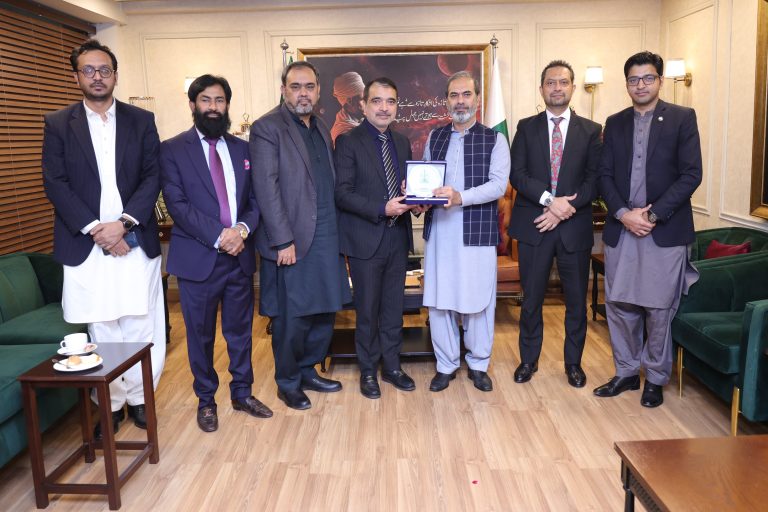
LAHORE- high-level delegation from Brazil, representing their grower association ABRAPA and Cotton Brazil, met with the leadership of the All Pakistan Textile Mills Association (APTMA) Patron in Cheif Dr. Gohar Ejaz to explore avenues for collaboration in cotton production and trade. The meeting was attended by Chairman APTMA Mr. Kamran Arshad, Chairman APTMA North Mr. Asad Shafi, and Cotton Advisor APTMA Dr. Muhammad Javed, along with the Brazilian delegation led by Mr. Celestino Zanella (Vice-President, ABRAPA) and other key representatives including Gabriel Pinto Cordeiro (ANEA Director), Fernando Rezende Silva Neves Rati (ABRAPA Project Coordinator), Marcelo Duarte Monteirio, Miguel Faus (ANEA), Grégoire Guillaume Ambroise, François Negre (Eisa Empresa Interagricola SA), and Zarina Giyasova (ECOM Agroindustrial Corp).

Read also: Primark and APTMA discuss potential collaboration opportunities on sustainable cotton initiatives
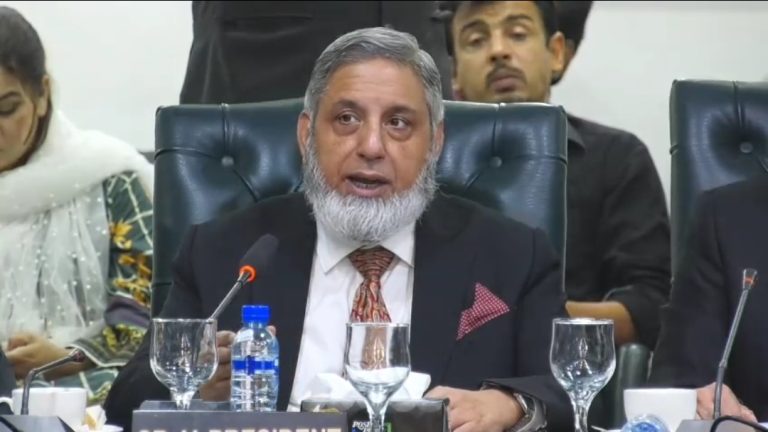
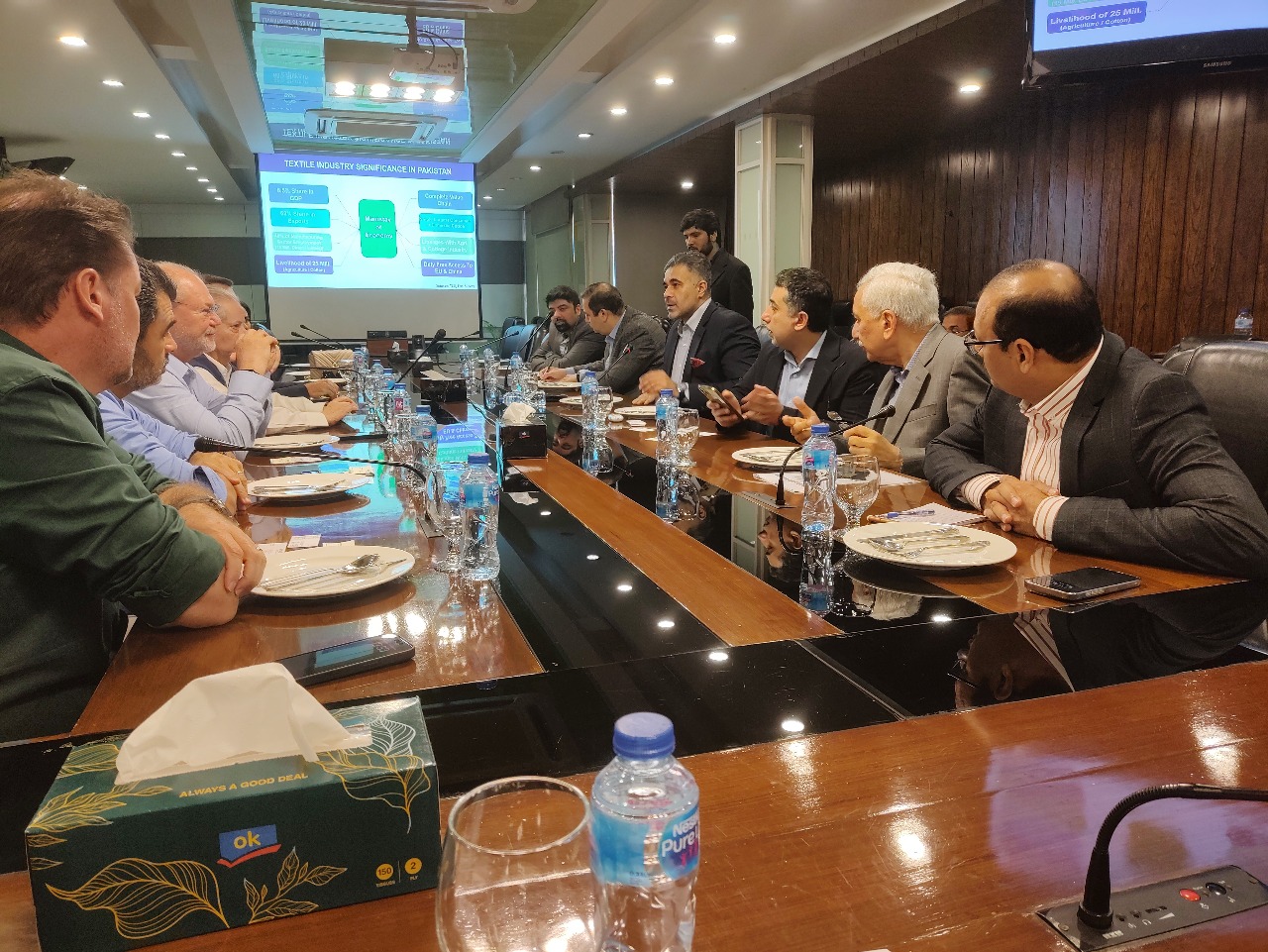
During the press conference , Chairman APTMA Mr. Kamran Arshad informed the media that the Brazilian delegation had a detailed discussion with APTMA Patron-in-Chief Dr. Gohar Ejaz regarding the establishment of a large-scale cotton model farm in Pakistan. Both parties agreed that Brazil’s advanced cotton production technology, which has significantly increased their cotton yields in a short span of time, could help revive Pakistan’s struggling cotton industry.
During the meeting Dr. Gohar Ejaz extended a formal invitation to the Brazilian delegation to collaborate in setting up a model farm in Pakistan to support the domestic cotton industry, which is currently facing a severe shortfall in production. He emphasized that Pakistan needs to produce at least 15-16 million bales annually to meet the textile sector’s demand. The Brazilian delegation showed keen interest in the proposal and expressed their willingness to work closely with Pakistan, as they have done with other countries to boost cotton production.
Additionally, the Brazilian delegation discussed trade-related concerns, particularly the fumigation requirements for imported cotton. They informed Dr. Gohar Ejaz of their intent to engage with Pakistan’s Ministry of National Food Security to revise the fumigation policies. The delegation highlighted that in many countries, such requirements have been removed, as Brazil’s advanced biotechnology-based (BT) cotton significantly reduces pest risks. They urged the Government of Pakistan to amend plant quarantine regulations and waive unnecessary fumigation requirements, which add costs and delays to trade.
The meeting concluded on a positive note, with both sides agreeing to strengthen bilateral cooperation in cotton production and trade. The Brazilian delegation thanked APTMA for its support and expressed optimism about future collaborations aimed at revitalizing Pakistan’s cotton sector.
About the Author